 Preview
 Send
Send Share
Share
 Details

 Download
 Similars
 X-Ray
X-Ray Diaporama
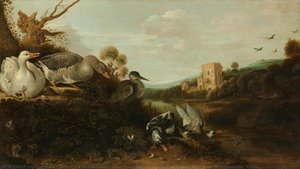
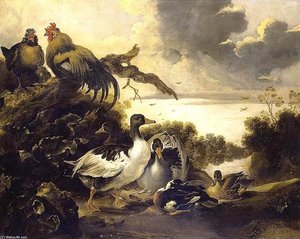
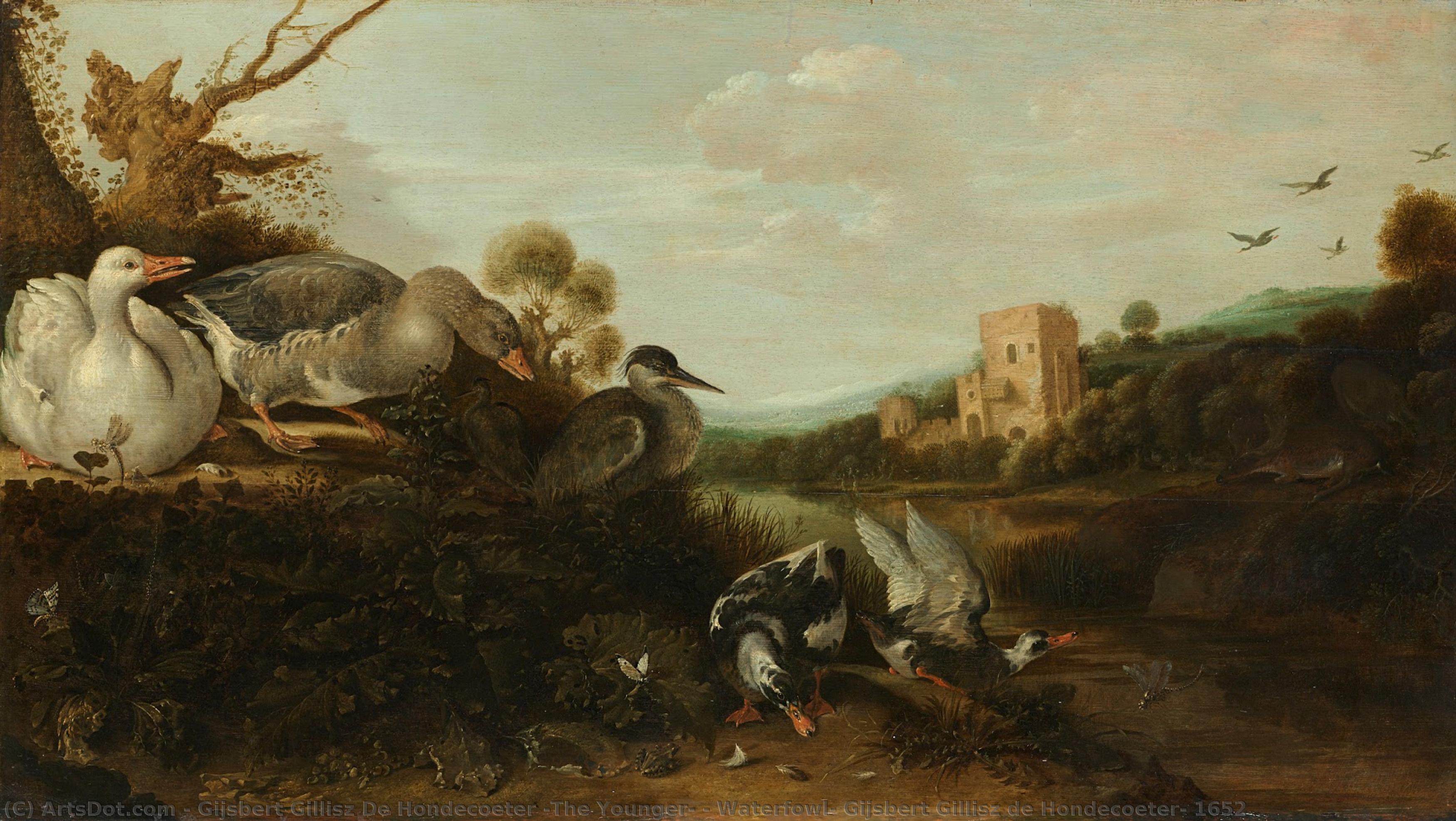
Waterfowl, Gijsbert Gillisz de Hondecoeter, 1652
 1652
1652 58.0 x 102.0 cm
 Read More
Giclée / Art Print
Museum-quality giclée or canvas print with fast production and flexible finish options. ( Buy Hand Made Painting Buy Image)




































Pick from our preset sizes that match the artwork's original proportions.

You may enter your own dimensions to fit a specific frame or space. If your selected size does not match the original image's proportions, we will either crop the artwork or extend the image with a mirrored or solid-fill edge. A digital mockup will be sent for your approval before production begins.
Please note that the on-screen preview does not reflect the actual cropping or extension. Only the mockup will accurately show the final composition.
While custom sizes are available, we recommend selecting a dimension from the predefined list to preserve the original proportions.
Worldwide Delivery () in 2 weeks instead of standard 4/5 weeks. (2 September)

Free Worldwide Express Shipping

High-Quality Linen Canvas

Full Shipping Insurance

Customs Tax Refund Guarantee

True Color Matching Guarantee

60-Day Return Policy (Defects Only)

100% Money-Back Guarantee

Bulk Discount Offer
 Glass option is only available in size under 110 CM

Waterfowl, Gijsbert Gillisz de Hondecoeter, 1652
Giclée / Art Print
Reproduction Size
-


Total Price
$ 63
Related Artworks








Artist Biography
Gijsbert de Hondecoeter: A Dutch Master of Domestic Life
Gijsbert Gillisz de Hondecoeter (1603-1653) stands as a pivotal figure in the history of Dutch painting, renowned for his intimate and remarkably detailed depictions of poultry, domestic interiors, and scenes of everyday life. Born in Utrecht, Netherlands, into a family already steeped in artistic tradition – his father, Gillis Claesz de Hondecoeter, was himself a respected painter – Gijsbert followed in his father’s footsteps, honing his skills within the vibrant artistic environment of the Dutch Golden Age. Unlike many of his contemporaries who focused on grand historical or mythological subjects, Hondecoeter chose to capture the quiet beauty and subtle dramas of the domestic sphere, establishing him as a unique and enduring voice in 17th-century art.
His early training likely involved assisting his father, absorbing his techniques and understanding of light and shadow. However, Gijsbert quickly developed his own distinctive style, characterized by an almost obsessive attention to detail. He wasn’t merely painting animals or people; he was meticulously rendering every feather, every wrinkle, every expression, creating a sense of palpable realism that drew viewers into the scenes before them. This dedication extended beyond mere representation; Hondecoeter imbued his subjects with a remarkable sensitivity and empathy, capturing not just their appearance but also their personalities and moods.
The Poultry Painter
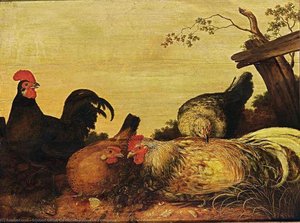
Hondecoeter’s fame rests largely on his extraordinary series of paintings depicting poultry – chickens, ducks, geese, turkeys, and pigeons. These works are far more than simple animal studies; they represent a profound exploration of form, texture, and behavior. He spent countless hours observing birds in their natural habitats, meticulously documenting their plumage, movements, and interactions. His paintings aren’t static portraits but dynamic vignettes, capturing the flurry of activity within a henhouse or the serene stillness of a flock gathered by a riverbank.
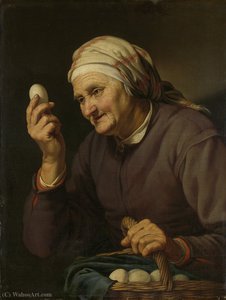
The “Fowl on a Riverbank” (1642) exemplifies this approach perfectly. The painting isn't just about showing birds; it’s about conveying their essence – their alertness, their grace, and their connection to the surrounding landscape. Similarly, his "Owner koopvrouw" (1638), depicting an elderly woman holding an egg, reveals a keen eye for capturing human emotion and the subtle details of everyday life. These works demonstrate Hondecoeter’s ability to elevate the mundane into something beautiful and meaningful.
Genre Scenes and Domestic Interiors
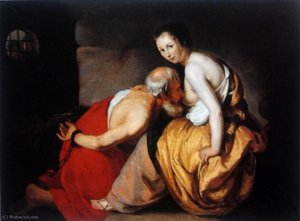
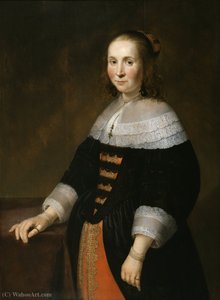
While his depictions of poultry are arguably his most celebrated achievements, Hondecoeter also produced a significant body of work focused on genre scenes – intimate portrayals of domestic life. These paintings often feature women engaged in everyday tasks: spinning wool, tending to children, preparing food, or simply relaxing with their families. These scenes aren’t idealized; they are honest and unvarnished depictions of the realities of 17th-century Dutch households.
His ability to capture the atmosphere of a room – the light streaming through a window, the arrangement of furniture, the expressions on the faces of his subjects – is particularly noteworthy. He masterfully used chiaroscuro (the contrast between light and dark) to create depth and drama, drawing the viewer’s eye to key elements within the composition. These scenes offer a valuable glimpse into the lives of ordinary people during this period.
Influence and Legacy
Hondecoeter's influence on subsequent generations of Dutch painters is considerable. His meticulous attention to detail and his ability to imbue everyday subjects with emotional resonance paved the way for artists like Judith Leyster and Rachel Ruysch, who similarly focused on domestic scenes and animal portraits. His work demonstrated that beauty could be found in the most unassuming corners of life.
Despite dying relatively young at the age of 50, Gijsbert de Hondecoeter left behind a remarkably rich and diverse body of work. His paintings continue to captivate viewers today with their exquisite detail, their emotional depth, and their enduring appeal. He remains a testament to the power of observation and the ability of art to illuminate the beauty and complexity of human experience.
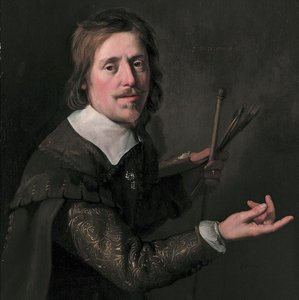
gijsbert gillisz de hondecoeter (the younger)
1603 - 1653 , Netherlands
Quick Facts
- Artistic Movement Or Style: Genre painting, Animal painting
- Artists Who Influenced This Artist: ['Gillis Claesz (father)']
- Date Of Birth: 1603
- Date Of Death: 1653
- Full Name: Gijsbert Gillisz de Hondecoeter (the Younger)
- Nationality: Dutch
- Notable Artworks:
- Diana & Callisto
- Fowl On A Riverbank
- Owner koopvrouw
- Place Of Birth: Utrecht, Netherlands