 Preview
 Send
Send Share
Share
 Details

 Download
 Similars
 X-Ray
X-Ray Diaporama
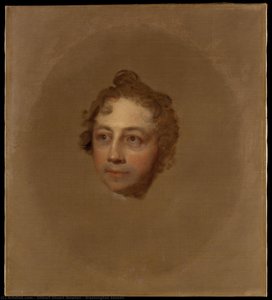
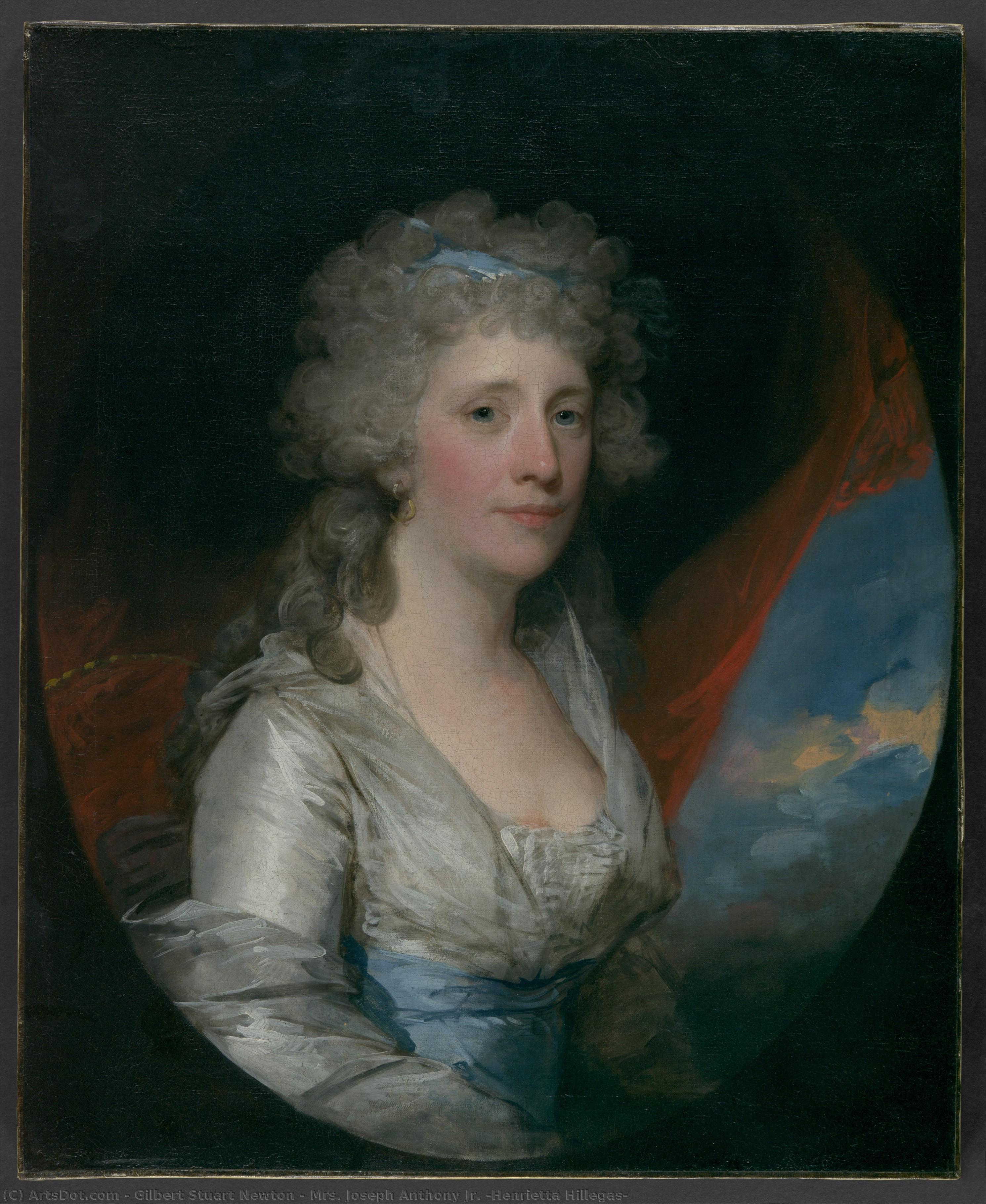
Mrs. Joseph Anthony Jr. (Henrietta Hillegas)
 Oil On Canvas
- WallArt
- Romanticism
 1795
1795 76.0 x 59.0 cm
 Metropolitan Museum of Art
 Read More
Hand Made Oil Reproduction
Hand-painted oil on canvas in your size and frame, made to order by our artists. ( Buy Print Buy Image)




P118B $10

P118H $10

P118W $10

P438Z $10

P508JH $12

P508YH $12

P805H $10

P805Z $10

P919BZ $10

P919G $10

P919XJ $10

P959ZH $10

P968JZ $12

W106C $8

W218G $10

W218JH $8

W218Y $10

W307PJ $10

W316G $10

W316PJ $8

W316Y $10

W398PJ $8

W4111J $10

W500HY $15

W500JH $15

W692G $12

W849H $8

W940BG $15

W953PJ $8




Pick from our preset sizes that match the artwork's original proportions.

You may enter your own dimensions to fit a specific frame or space. If your selected size does not match the original image's proportions, we will either crop the artwork or extend the painting with additional hand-painted elements. A digital mockup will be sent for your approval before production begins.
Please note that the on-screen preview does not reflect the actual cropping or extension. Only the mockup will accurately show the final composition.
While custom sizes are available, we recommend selecting a dimension from the predefined list to preserve the original proportions.
After order, ArtsDot.com team will email client for instructions and provide a mockup preview
Worldwide Delivery () in 3/4 weeks instead of standard 5 weeks. (17 August). No compromise on quality.

Free Worldwide Express Shipping

High-Quality Linen Canvas

Full Shipping Insurance

Customs Tax Refund Guarantee

True Color Matching Guarantee

60-Day Return Policy (Defects Only)

100% Money-Back Guarantee

Bulk Discount Offer
 Glass option is only available in size under 110 CM

Mrs. Joseph Anthony Jr. (Henrietta Hillegas)
Reproduction Medium
Reproduction Size
-


Total Price
$ 263
Artwork Description
A Portrait of Philadelphia Society: Mrs. Joseph Anthony Jr. by Gilbert Stuart Newton
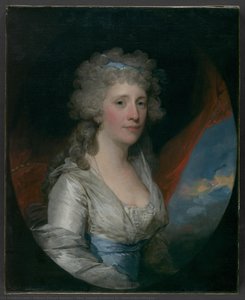
Gilbert Stuart Newton’s “Mrs. Joseph Anthony Jr.”, painted in 1795, is more than just a likeness; it's a meticulously crafted window into the refined world of early American society. This captivating portrait, now beautifully reproduced on canvas, offers a glimpse into the life and aspirations of Henrietta Hillegas Anthony, wife of the prominent silversmith Joseph Anthony – a man whose own legacy would later intertwine with that of the renowned Gilbert Stuart.
Newton’s style is distinctly Romantic, echoing the sensibilities prevalent in Europe during his time. He skillfully blends observation with an expressive use of light and shadow, creating a sense of depth and intimacy rarely found in American portraiture of the period. The composition itself is carefully balanced – Mrs. Anthony occupies the central space, her gaze directly engaging the viewer, fostering a connection that transcends mere representation.
The Woman Behind the Portrait
Henrietta Hillegas’s story is inextricably linked to Philadelphia's burgeoning elite. Born into a family of considerable wealth derived from sugar refining and iron manufacturing – her father, Michael Hillegas, served as the first treasurer of the United States – she was positioned at the heart of a vibrant social scene. The portrait captures her not just as a wife and mother, but as a woman embodying the virtues prized in 18th-century society: grace, elegance, and quiet dignity. Her blonde hair is styled with a delicate pink bow, a subtle detail that speaks to the fashionable trends of the time, while her attire – a blue dress adorned with a crisp white shirt and complemented by a pearl necklace – reflects the wealth and status she represented.
Interestingly, Henrietta’s marriage to Joseph Anthony brought her into direct contact with Gilbert Stuart himself. Joseph was a cousin of the celebrated portrait painter, and it's believed that Stuart may have even executed the original portrait before Newton took over. This connection adds another layer of artistic lineage to this already compelling work.
Technique and Artistic Nuances
Newton’s brushwork is remarkably fluid and expressive, particularly evident in the rendering of Mrs. Anthony's face and drapery. He masterfully employs sfumato – a technique borrowed from Renaissance masters – to create soft transitions between light and shadow, lending an ethereal quality to the portrait. The subtle blush on her cheeks, the delicate curve of her lips, and the gentle expression in her eyes all contribute to a sense of realism that belies the idealized nature of formal portraits.
The choice of a dark background is deliberate, drawing attention to Mrs. Anthony and emphasizing her presence within the composition. It also evokes a sense of formality and sophistication, aligning with the portrait’s overall aesthetic. The meticulous detail in the rendering of her gown – the intricate folds of the fabric, the subtle sheen of the pearls – speaks to Newton's technical skill and his dedication to capturing every nuance of her appearance.
Symbolism and Emotional Resonance
Beyond a simple likeness, “Mrs. Joseph Anthony Jr.” is imbued with symbolic meaning. The portrait represents not only Henrietta’s individual identity but also the values and aspirations of Philadelphia society during this period. Her direct gaze invites contemplation, suggesting an inner strength and resilience – qualities admired in women of her social standing.
The painting's enduring appeal lies in its ability to evoke a sense of nostalgia for a bygone era. It offers a glimpse into the lives of those who shaped early America, reminding us of the elegance, sophistication, and social complexities that defined this pivotal period in history. A reproduction of this remarkable portrait is more than just a decorative piece; it’s a tangible connection to the past – a testament to the artistry of Gilbert Stuart Newton and the captivating story of Henrietta Hillegas Anthony.
Related Artworks
Artist Biography
Gilbert Stuart Newton: Life & Legacy
Early Life and Family Background
- Birth and Origins: Gilbert Stuart Newton was born on September 2, 1795, in Halifax, Nova Scotia. He was the youngest of twelve children.
- Family Connections: His father, Henry Newton, was a customs official, and his mother, Ann, held a significant artistic lineage – she was the daughter of Gilbert Stuart, the renowned American portrait painter.
- Early Years & Return to America: The family initially resided in Boston but returned to Charlestown near Boston in 1803 following his father’s death.
Artistic Training and Influences
- Initial Path & Uncle's Guidance: Though initially intended for a commercial career, Newton was apprenticed to his uncle, Gilbert Stuart, marking the beginning of his artistic journey.
- European Studies: He traveled to Europe with an elder brother and studied painting in Florence. Later visits to Paris (1817) introduced him to artists like Charles Robert Leslie, Washington Allston, and David Wilkie.
- Royal Academy & Formal Training: Newton continued his education at the Royal Academy in London after a period spent in the Netherlands.
Artistic Style and Major Themes
- Romantic Sensibilities: Newton’s work is generally categorized within the Romantic movement, characterized by emotional intensity and dramatic narratives.
- Literary & Poetic Inspirations: He became particularly known for paintings inspired by literature and poetry. Subjects drawn from works like *Don Quixote* and Shakespeare were prominent in his oeuvre.
- Portraiture & Genre Scenes: While he painted portraits, including those of notable figures such as Washington Irving, Newton also excelled in genre scenes depicting moments from literary narratives.
Key Achievements and Recognition
- Royal Academy Affiliation: Newton was elected an Honorary Academician of the National Academy of Design (1827), an Associate of the Royal Academy (1829), and a full Academician in 1832.
- Exhibitions & Patronage: He regularly exhibited at the Royal Academy from 1818 onwards, gaining recognition and attracting patrons like the Marquis of Lansdowne.
- Public Collections: His works found their way into prominent public collections, including the National Gallery and the South Kensington Museum (now V&A).
Later Life and Legacy
- Mental Health & Final Years: Shortly after his election to the Royal Academy, Newton began to suffer from mental illness. He was admitted to an asylum at Chelsea where he continued to paint until his death on August 5, 1835.
- Burial Site: He is buried in St Mary’s Church Wimbledon, London.
- Historical Significance: Though overshadowed by his uncle Gilbert Stuart, Newton carved a niche for himself as a skilled and imaginative artist of the Romantic period. His literary-inspired paintings offer insights into the cultural tastes and artistic trends of 19th-century Britain.
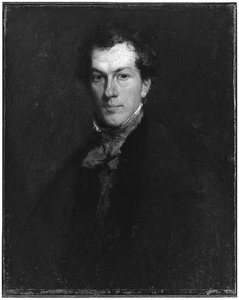
gilbert stuart newton
1795 - 1835
Quick Facts
- Birth_Date: 1795
- Birth_Place: Halifax, Nova Scotia
- Death_Date: 1835
- Influenced_By: Gilbert Stuart (uncle)
- Movement: Romanticism
- Name: Gilbert Stuart Newton
- Nationality: British
- Notable_Works:
- Don Quixote in his Study
- Captain Macheath upbraided by Polly and Lucy
- Yorick and the Grisette
- The Window or the Dutch Girl
- Portia and Bassanio
Related Articles
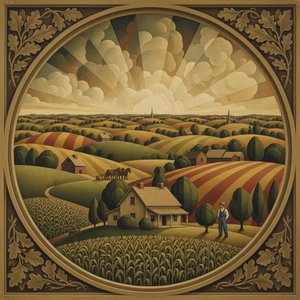
Grant Wood & American Regionalism: Identity, Myth & the Rural Landscape
Explore the world of Grant Wood & American Regionalism with ArtsDot. Discover the symbolism behind 'American Gothic', recurring themes, and the movement's lasting impact on art history. High-quality reproductions available.
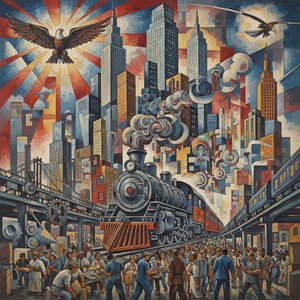
Joseph Stella: Modernism's Dynamic Vision of Industry, Urban Life & the American Spirit
Explore the captivating world of Joseph Stella, a pioneer of American Modernism. Discover his iconic depictions of industry, urban life & the Brooklyn Bridge. Expert analysis for art collectors.
American Realism's Defining Works: 10 Masterpieces for Your Home
Explore 10 defining American Realism masterpieces – Hopper, Homer & more. Discover the stories behind these iconic paintings and bring timeless art to your home with ArtsDot's museum-quality reproductions. Explore the full collection online.
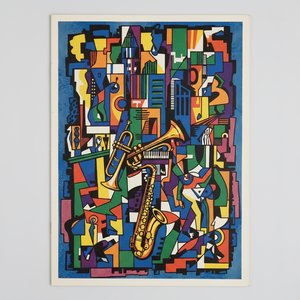
Stuart Davis: Modernist Abstraction & the Vibrant Spirit of the Jazz Age
Explore the vibrant world of Stuart Davis, a pioneer of American Modernism. Discover his jazz-inspired paintings, signature style & investment potential. Expert insights for art collectors.
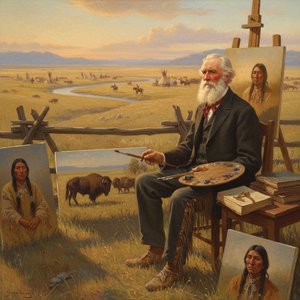
Joseph Henry Sharp: Capturing the Spirit of the Plains – Life, Art & Legacy
Explore the life & art of Joseph Henry Sharp, a founding member of the Taos Society of Artists renowned for his realistic depictions of Native American culture and Western landscapes. Discover his legacy with ArtsDot.