 Preview
 Send
Send Share
Share
 Details

 Download
 Similars
 X-Ray
X-Ray Diaporama
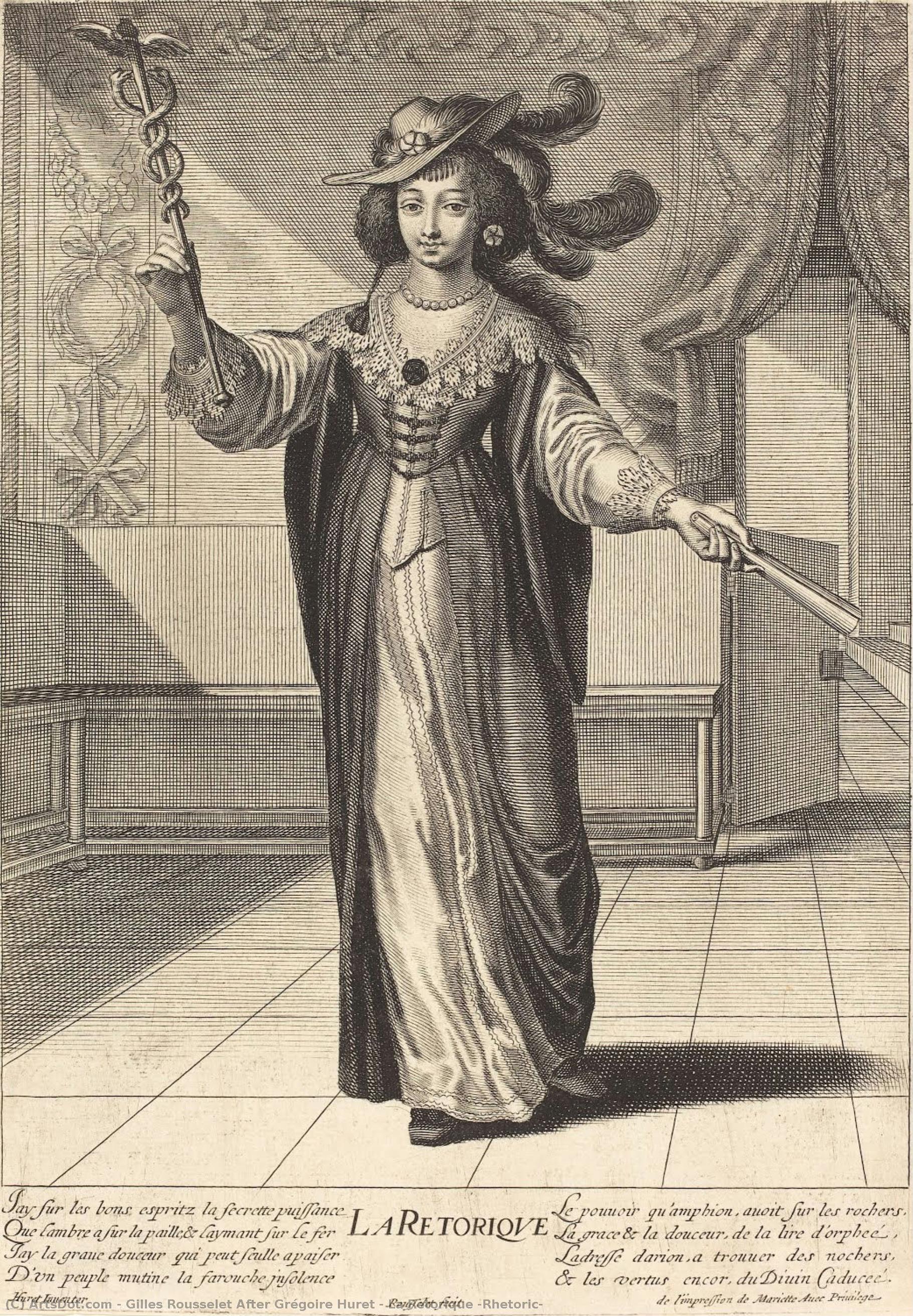
La Retorique (Rhetoric)
 1686
1686 30.0 x 21.0 cm
 Read More
Giclée / Art Print
Museum-quality giclée or canvas print with fast production and flexible finish options. ( Buy Hand Made Painting Buy Image)




































Pick from our preset sizes that match the artwork's original proportions.

You may enter your own dimensions to fit a specific frame or space. If your selected size does not match the original image's proportions, we will either crop the artwork or extend the image with a mirrored or solid-fill edge. A digital mockup will be sent for your approval before production begins.
Please note that the on-screen preview does not reflect the actual cropping or extension. Only the mockup will accurately show the final composition.
While custom sizes are available, we recommend selecting a dimension from the predefined list to preserve the original proportions.
Worldwide Delivery () in 2 weeks instead of standard 4/5 weeks. (22 August)

Free Worldwide Express Shipping

High-Quality Linen Canvas

Full Shipping Insurance

Customs Tax Refund Guarantee

True Color Matching Guarantee

60-Day Return Policy (Defects Only)

100% Money-Back Guarantee

Bulk Discount Offer
 Glass option is only available in size under 110 CM

La Retorique (Rhetoric)
Giclée / Art Print
Reproduction Size
-


Total Price
$ 63
Related Artworks









Artist Biography
Gilles Rousselet: The Echoes of Masters in Seventeenth-Century Print
Born in the heart of Paris in 1610, Gilles Rousselet – also known as Aegidius Rousselet – emerged during a pivotal era in European art. He wasn’t an originator of groundbreaking styles or revolutionary techniques; rather, he was a master craftsman, a meticulous interpreter, and arguably one of the most skilled engravers of the seventeenth century. His legacy isn't defined by solitary creations but by his extraordinary ability to faithfully reproduce the works of some of history’s greatest artists – Huret, Poussin, Raphael, and many more – transforming their paintings into exquisitely detailed prints for a burgeoning market.
Rousselet’s early life offers little in the way of dramatic biographical details. He married Judith Le Goux in 1645 and fathered fourteen children, including his son Jean, who followed in his father's footsteps as a sculptor. This familial connection to the artistic world likely provided him with an environment conducive to developing his skills. However, what truly distinguishes Rousselet is his dedication to reproduction rather than original creation – a significant distinction within the art world of his time. While many engravers sought recognition for their own compositions, Rousselet’s focus lay in meticulously transferring the spirit and form of established masterpieces.
The Influence of Huret and Beyond
Rousselet's artistic journey was profoundly shaped by Abraham Bloemaert, a painter whose style he admired. This influence is evident in the precision and attention to detail that characterize his engravings. However, it’s crucial to understand that Rousselet wasn’t simply copying; he was studying. He meticulously analyzed Huret’s compositions, capturing not just the visual elements but also the artist's characteristic use of light, shadow, and color. This dedication extended beyond Huret, encompassing a vast repertoire of artists including Claude Vignon, Jacques Stella, Laurent de La Hyre, Raphael, Pietro da Cortona, Guido Reni, Valentin de Boulogne, and Nicolas Poussin – a veritable pantheon of Baroque masters.
His work was particularly notable for its faithful representation of classical themes and rhetoric. Rousselet’s engravings frequently depicted scenes from mythology and philosophy, often rendered with an almost photographic realism. This commitment to accuracy made his prints highly sought after by collectors and patrons who valued both artistic merit and scholarly content. The inclusion of titles and accompanying verses in the printed blocks further enhanced their educational value.
The Académie and Salon Exhibitions
In 1663, Gilles Rousselet achieved a significant milestone when he was admitted to the Académie Royale de Peinture et de Sculpture – a prestigious institution that served as the official art school of France. This admission, secured through the support of Charles Le Brun, a prominent artist and member of the Académie, marked recognition of his exceptional engraving skills. It’s important to note that at this time, engravers were often viewed with less esteem than painters; however, Rousselet's talent was undeniable.
He subsequently showcased his work at the Salon exhibitions of 1664 and 1673, providing a public platform for his reproductions. These exhibitions demonstrated his technical proficiency and solidified his reputation as one of the leading engravers of his era. His ability to faithfully recreate complex compositions – particularly those laden with symbolism and intellectual content – was highly valued by collectors and scholars alike.
A Legacy Preserved in Collections
Today, Gilles Rousselet’s engravings are treasured possessions within numerous public museum collections around the world. These include the Harvard Art Museums, the Metropolitan Museum of Art, Fine Arts Museums of San Francisco, the National Portrait Gallery in London, Rijksmuseum, the National Gallery of Art, and the Victoria and Albert Museum. His works are also available for purchase as reproductions through platforms like ArtsDot, ensuring that his meticulous reproductions continue to be appreciated by art enthusiasts worldwide.
Notable examples of Rousselet’s oeuvre include “La Retorique,” a captivating depiction of rhetoric itself, and “Venus Surprise par l'Amour,” a beautifully rendered portrait capturing the goddess of love in a moment of unexpected delight. These works, along with his numerous depictions of classical figures and scenes, offer a fascinating glimpse into the artistic tastes and intellectual currents of seventeenth-century France. Gilles Rousselet’s legacy isn’t one of invention but of preservation—a testament to the enduring power of observation, skill, and the profound influence of the masters who came before him.
gilles rousselet after grégoire huret
1610 - 1686 , France
Quick Facts
- Artistic Movement Or Style: Baroque engraving
- Artists Or Movements Influenced By This Artist: ['Grégoire Huret']
- Artists Who Influenced This Artist: ['Abraham Bloemaert']
- Date Of Birth: 1610 Paris, France
- Date Of Death: 1686 Paris, France
- Full Name: Gilles Rousselet
- Nationality: French
- Notable Artworks:
- La Retorique
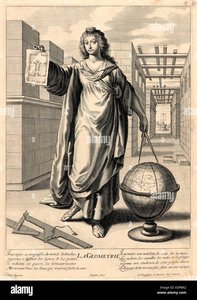
- Geometry
- Place Of Birth: Paris, France