 Preview
 Send
Send Share
Share
 Details

 Download
 Similars
 X-Ray
X-Ray Diaporama
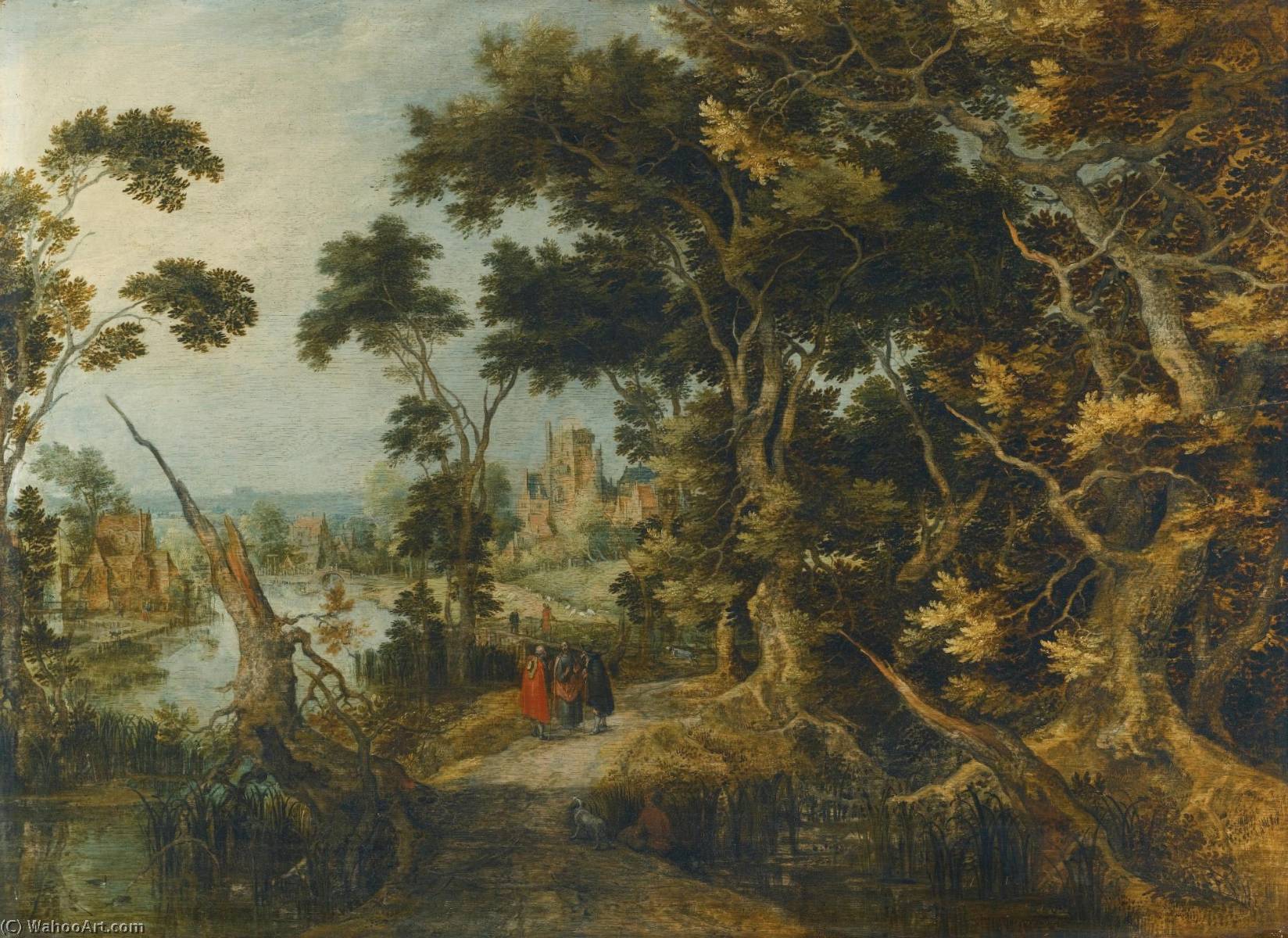
A landscape with Christ and his disciples on the road to Emmaus
 74.0 x 103.0 cm
 Read More
Hand Made Oil Reproduction
Hand-painted oil on canvas in your size and frame, made to order by our artists. ( Buy Print Buy Image)




































Pick from our preset sizes that match the artwork's original proportions.

You may enter your own dimensions to fit a specific frame or space. If your selected size does not match the original image's proportions, we will either crop the artwork or extend the painting with additional hand-painted elements. A digital mockup will be sent for your approval before production begins.
Please note that the on-screen preview does not reflect the actual cropping or extension. Only the mockup will accurately show the final composition.
While custom sizes are available, we recommend selecting a dimension from the predefined list to preserve the original proportions.
After order, ArtsDot.com team will email client for instructions and provide a mockup preview
Worldwide Delivery () in 3/4 weeks instead of standard 5 weeks. (29 August). No compromise on quality.

Free Worldwide Express Shipping

High-Quality Linen Canvas

Full Shipping Insurance

Customs Tax Refund Guarantee

True Color Matching Guarantee

60-Day Return Policy (Defects Only)

100% Money-Back Guarantee

Bulk Discount Offer
 Glass option is only available in size under 110 CM

A landscape with Christ and his disciples on the road to Emmaus
Reproduction Medium
Reproduction Size
-


Total Price
$ 263
Related Artworks

Artist Biography
A Family Legacy in Feather and Landscape: The World of Gillis Claesz d'Hondecoeter
Gillis Claesz. de Hondecoeter, a name resonating softly through the annals of 17th-century Dutch and Flemish painting, represents more than just an artist; he embodies a lineage steeped in avian artistry and evolving landscape traditions. Born into a world fractured by religious upheaval and burgeoning artistic expression, d'Hondecoeter carved his niche depicting scenes brimming with meticulously rendered birds, fowl, and the natural world – a legacy that would flourish through his son and grandsons, becoming synonymous with a particular brand of Dutch realism. His story is one of migration, adaptation, and the subtle shift from Flemish fantasy to a more grounded observation of nature.From Antwerp Roots to Amsterdam’s Golden Age
The artist's journey began in Antwerp, a city then under Spanish control. His father, Nicolaes Jansz d'Hondecoeter, a painter himself, made the difficult decision to flee with his family to Delft around 1585, seeking refuge from the religious and political turmoil. This early displacement likely instilled in Gillis a sense of adaptability that would characterize his artistic development. He married Maaijke Gijbrechts in Delft in 1602, establishing a household and beginning his career while working in Utrecht. The couple built a family, eventually relocating to Amsterdam around 1615, where they added three more children to their growing brood. This move placed Gillis at the heart of the Dutch Golden Age, a period of unprecedented prosperity and artistic innovation. Amsterdam became not only his home but also a fertile ground for his evolving style. The loss of his first wife in 1622 led to a second marriage six years later with Anna Spierinx – an anecdote adding a touch of personal intrigue, as Houbraken notes she initially rejected the advances of Gillis’s son, Gijsbert! He ultimately passed away in Amsterdam, leaving behind a rich artistic inheritance.A Style in Transition: Flemish Influence and Dutch Realism
D'Hondecoeter’s early work reveals a strong influence from the Flemish landscape tradition, characterized by hilly, often fantastical settings interwoven with biblical narratives. These paintings possess a certain romantic quality, evoking an idealized vision of nature rather than a precise depiction of it. Roelant Savery, another Flemish painter who had also settled in Amsterdam, is frequently cited as a key influence during this period. However, d'Hondecoeter’s style wasn’t static. Over time, his work embraced the growing Dutch penchant for realism and detailed observation. He began to focus more intently on accurately portraying the anatomy of birds and fowl, their plumage, and their behavior within naturalistic environments. This shift reflects a broader trend in 17th-century Dutch art – a move away from symbolic representation towards a celebration of the tangible world. He often incorporated biblical scenes into his landscapes, but increasingly, the focus rested on the beauty and intricacy of the natural elements surrounding them.The Hondecoeter Workshop: A Dynasty of Avian Specialists
Gillis d'Hondecoeter wasn’t merely a painter; he was the patriarch of an artistic dynasty. His son, Gijsbert d'Hondecoeter, followed in his father’s footsteps, specializing in similar subjects – fowl and birds. But it was Gillis’s grandsons, Melchior de Hondecoeter and Jan Weenix, who truly cemented the family name as masters of avian art. The inventory of Melchior's estate reveals a fascinating detail: the use of a “small gallow,” suggesting a practical approach to studying and depicting birds – perhaps even live specimens were utilized in their workshop! This dedication to anatomical accuracy and detailed rendering became a hallmark of the Hondecoeter style, distinguishing them from other landscape painters. His daughter Josijntje’s marriage to Jan Baptist Weenix further solidified this artistic network, creating a powerful lineage that dominated the Dutch bird painting scene for generations.Historical Significance: A Niche Master and Lasting Influence
While Gillis Claesz d'Hondecoeter may not be as widely recognized as some of his more famous contemporaries, his contribution to 17th-century art is significant. He bridged the gap between Flemish fantasy landscapes and Dutch realism, paving the way for his son and grandsons to become celebrated specialists in avian painting. His paintings offer a glimpse into the evolving artistic sensibilities of the period, reflecting a growing appreciation for natural observation and detailed representation. The Hondecoeter family’s specialization in birds and fowl also speaks to the Dutch fascination with wildlife – a reflection of their close relationship with the land and sea. Today, Gillis d'Hondecoeter’s work is appreciated not only for its technical skill but also for its historical context, offering valuable insights into the artistic traditions and cultural values of the Dutch Golden Age. His legacy continues to inspire artists and art enthusiasts alike, reminding us of the enduring power of nature and the beauty found within even the smallest of creatures.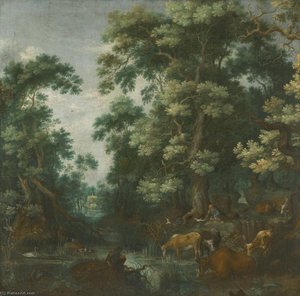
Quick Facts
- Artistic Movement Or Style: Flemish & Dutch Landscape Art
- Artists Or Movements Influenced By This Artist: ['David Vinckboons']
- Artists Who Influenced This Artist: ['Roelant Savery']
- Date Of Death: 1638
- Full Name: Gillis Claesz. de Hondecoeter
- Nationality: Dutch
- Notable Artworks: ['A wooded landscape with deer and cattle by a river']
- Place Of Birth: Antwerp