 Preview
 Send
Send Share
Share
 Details

 Download
 Similars
 X-Ray
X-Ray Diaporama
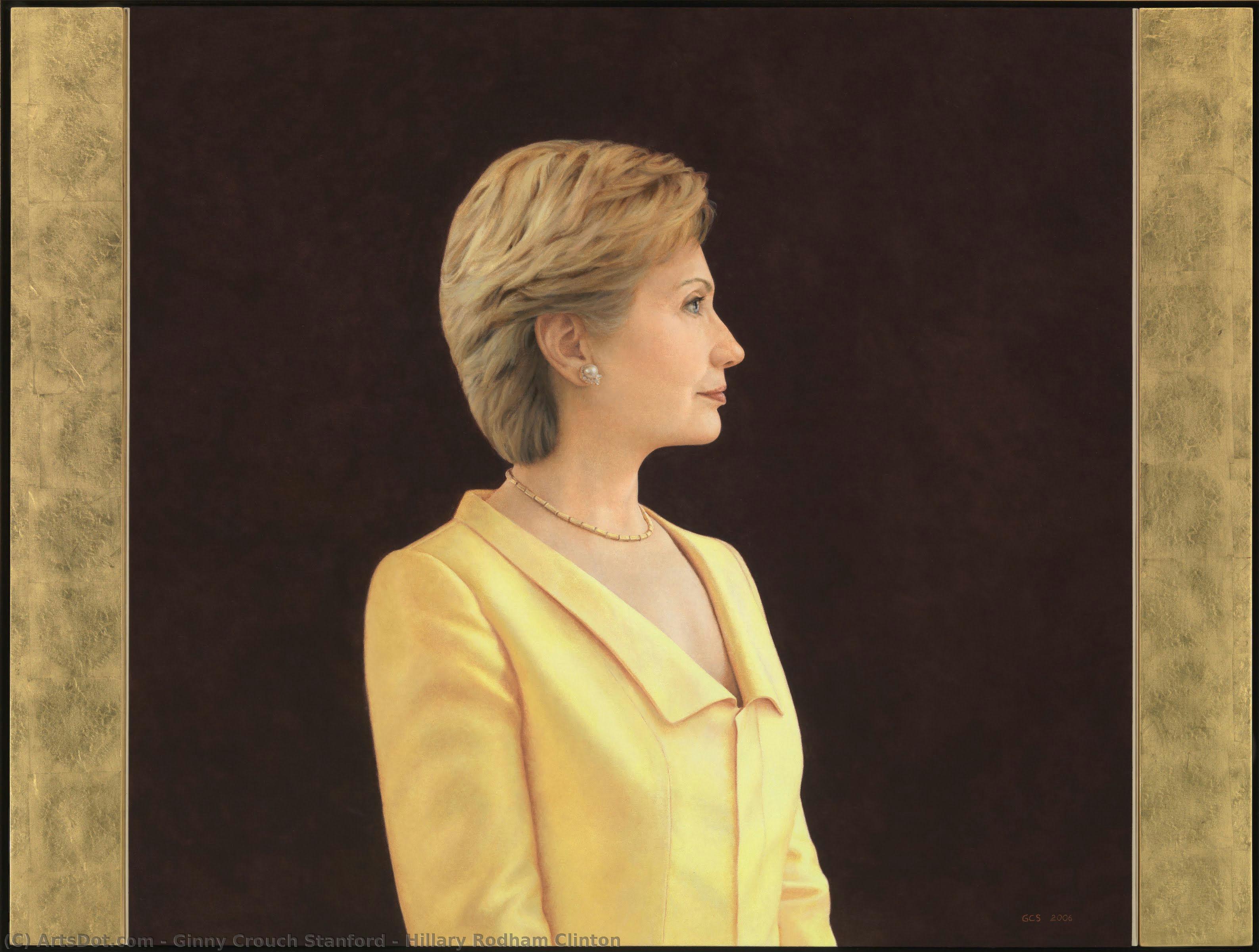
Hillary Rodham Clinton
 Acrylic On Canvas
- WallArt
- Abstract Expressionism
 2006
2006 108.0 x 81.0 cm
 National Portrait Gallery
 Read More
Hand Made Oil Reproduction
Hand-painted oil on canvas in your size and frame, made to order by our artists. ( Buy Print Buy Image)




P118B $10

P118H $10

P118W $10

P438Z $10

P508JH $12

P508YH $12

P805H $10

P805Z $10

P919BZ $10

P919G $10

P919XJ $10

P959ZH $10

P968JZ $12

W106C $8

W218G $10

W218JH $8

W218Y $10

W307PJ $10

W316G $10

W316PJ $8

W316Y $10

W398PJ $8

W4111J $10

W500HY $15

W500JH $15

W692G $12

W849H $8

W940BG $15

W953PJ $8




Pick from our preset sizes that match the artwork's original proportions.

You may enter your own dimensions to fit a specific frame or space. If your selected size does not match the original image's proportions, we will either crop the artwork or extend the painting with additional hand-painted elements. A digital mockup will be sent for your approval before production begins.
Please note that the on-screen preview does not reflect the actual cropping or extension. Only the mockup will accurately show the final composition.
While custom sizes are available, we recommend selecting a dimension from the predefined list to preserve the original proportions.
After order, ArtsDot.com team will email client for instructions and provide a mockup preview
Worldwide Delivery () in 3/4 weeks instead of standard 5 weeks. (17 August). No compromise on quality.

Free Worldwide Express Shipping

High-Quality Linen Canvas

Full Shipping Insurance

Customs Tax Refund Guarantee

True Color Matching Guarantee

60-Day Return Policy (Defects Only)

100% Money-Back Guarantee

Bulk Discount Offer
 Glass option is only available in size under 110 CM

Hillary Rodham Clinton
Reproduction Medium
Reproduction Size
-


Total Price
$ 263
Artwork Description
A Portrait of Resilience: Hillary Rodham Clinton by Ginny Crouch Stanford
Ginny Crouch Stanford’s 2006 painting, “Hillary Rodham Clinton,” transcends mere representation; it's an exploration of strength and vulnerability captured in a striking acrylic on canvas composition measuring 108 x 81 cm. Currently residing at the National Portrait Gallery in Washington D.C., this artwork stands as testament to Stanford’s masterful ability to distill complex character into visual form, reflecting the enduring legacy of Hillary Clinton's life and career. Stanford’s stylistic approach leans heavily toward Abstract Expressionism, mirroring the broader artistic movement that flourished during the 1950s—a reaction against European formalism and a fervent embrace of spontaneous gesture and emotional intensity. Unlike traditional portraiture prioritizing meticulous detail, Stanford employs textured brushstrokes and layered hues to convey not just likeness but also inner state. The muted yellow dress worn by Clinton serves as an anchor for the composition, juxtaposed against a subtly blurred background that suggests contemplation and introspection—a deliberate choice mirroring Clinton’s unwavering focus on tackling societal challenges with compassion and determination. The painting's technique is characterized by Stanford’s distinctive method of applying paint directly to the canvas using rags and brushes, resulting in surfaces imbued with palpable physicality. This “direct painting” approach isn’t merely about achieving visual impact; it embodies a philosophical stance rooted in confronting difficult truths and embracing imperfection—themes powerfully echoed throughout Clinton's life journey. The slight tilt of Clinton’s head contributes to this sense of thoughtfulness, hinting at an awareness of the burdens borne by leadership and the importance of maintaining perspective amidst turbulent circumstances. Looking beyond stylistic considerations, “Hillary Rodham Clinton” speaks to broader historical currents. Created during a period marked by significant social upheaval—the burgeoning Civil Rights Movement, anxieties surrounding Cold War tensions, and the rise of feminist activism—Stanford’s portrait captures an image of quiet resolve. The painting's subdued palette reflects not only the aesthetic sensibilities of its time but also the understated dignity with which Clinton navigated her role as First Lady and Senator, embodying a spirit of perseverance that continues to inspire audiences today. Ultimately, Stanford’s artwork succeeds in conveying an emotional resonance that transcends biographical data. It invites viewers to contemplate themes of resilience, contemplation, and unwavering commitment—qualities inextricably linked to Hillary Rodham Clinton's remarkable accomplishments and enduring influence on American history. The painting serves as a poignant reminder that true strength lies not only in outward action but also in inner fortitude, captured with exquisite precision by Ginny Crouch Stanford’s visionary artistic vision.Related Artworks

Artist Biography
The Crucible of New York: Francis Bacon and the 1950s
The decade of the 1950s witnessed a seismic shift in the landscape of Western art, largely spearheaded by a group of American painters who rejected the established norms of European tradition and forged their own path—a path that would ultimately define Abstract Expressionism. Among these figures, Francis Bacon stands as a towering, often unsettling, presence, his work embodying a visceral intensity rarely matched by his contemporaries. Born in Dublin in 1906, Bacon’s early life was marked by tragedy – the loss of his father at a young age and a subsequent estrangement from his mother. These formative experiences, coupled with a restless spirit and a keen observation of human behavior, profoundly shaped his artistic vision, leading him to explore themes of violence, isolation, and the grotesque.
Bacon’s arrival in London in 1930 marked a turning point. He quickly established himself as a prominent figure in the city's vibrant art scene, absorbing influences from Surrealism, Picasso, and earlier Renaissance masters. However, it was his move to New York City in 1951 that proved pivotal. The energy of post-war America—its burgeoning consumer culture, its anxieties about nuclear war, and its exploration of psychological states—provided a fertile ground for his artistic experimentation. This period saw a dramatic evolution in his style, moving away from the more figurative works of his earlier career towards the distorted, fragmented figures that would become his signature.
The Anatomy of Anguish: Technique and Subject Matter
Bacon’s technique was relentlessly demanding, both physically and emotionally. He employed a method of applying paint directly to the canvas with minimal preparation, often using rags, brushes, and even his hands to create layers of texture and color. This “direct painting” approach resulted in surfaces that were raw, visceral, and intensely expressive—a direct reflection of the psychological turmoil he sought to convey. His figures are rarely presented whole; instead, they are dissected, fragmented, and overlaid with violent distortions, suggesting a state of profound unease and vulnerability.
The subjects of Bacon’s paintings are equally unsettling. He frequently depicted human figures in states of extreme distress—isolated, tormented, and often engaged in acts of violence or self-harm. These weren't heroic narratives; they were explorations of the darker recesses of the human psyche. Influenced by Eadweard Muybridge’s photographs of movement – a resource he meticulously studied – Bacon captured the dynamism and instability of the body, translating it into a visual language of fragmentation and distortion. His fascination with wrestling poses, as evidenced in the *Man in Blue* series, reveals an interest in the interplay between control and surrender, strength and vulnerability.
The Influence of the 1950s: A New York Context
Bacon’s time in New York during the 1950s was a crucial period of artistic development. He found himself immersed in a vibrant community of artists—Jackson Pollock, Willem de Kooning, Mark Rothko, and others—all grappling with similar questions about representation and expression. The atmosphere of the city fostered experimentation and challenged conventional notions of art. Bacon’s exposure to this environment undoubtedly influenced his evolving style, pushing him towards greater abstraction and a more direct engagement with psychological themes.
His relationships within this circle were complex and often fraught with tension. His affair with Peter Lacy, a former fighter pilot, was particularly intense and destructive, reflecting the obsessive and sometimes violent tendencies that characterized much of his life. Despite these personal struggles, Bacon continued to produce some of his most iconic works during this period, including *Two Figures*, *Two Figures in the Grass*, and *Study of a Figure in a Landscape*. These paintings are not simply depictions of human figures; they are explorations of primal emotions—fear, desire, and mortality—rendered with an unflinching honesty that continues to resonate with viewers today.
Legacy and Enduring Power
By the end of the 1950s, Bacon’s reputation had begun to solidify as one of the most important artists working in Britain. His paintings were exhibited internationally and increasingly recognized for their power and originality. While his work remained controversial—often described as disturbing or even shocking—it also captivated audiences with its raw emotional intensity and unflinching portrayal of the human condition. Bacon’s legacy extends far beyond the 1950s, influencing generations of artists who followed in his wake. His willingness to confront difficult subjects and challenge conventional artistic norms cemented his place as a pivotal figure in the history of modern art—a testament to the enduring power of confronting the darkest corners of the human experience.
ginny crouch stanford
1950 - , United States of America
Quick Facts
- Artistic Movement Or Style: Expressionism
- Artists Or Movements Influenced By This Artist: ['Abstract Expressionism']
- Artists Who Influenced This Artist:
- Eadweard Muybridge
- Van Gogh
- Full Name: Francis Bacon
- Nationality: British
- Notable Artworks:
- Study of a Figure in a Landscape
- Man in Blue I-VII
- Two Figures
- Two Figures in the Grass
- Place Of Birth: Dublin, Ireland
Related Articles
Acrylic Painting: A Comprehensive Exploration of Technique, History & Contemporary Applications
Explore the world of acrylic painting! Discover its rich history, essential techniques, contemporary applications & renowned artists. Expert guide for beginners to professionals.
American Realism's Defining Works: 10 Masterpieces for Your Home
Explore 10 defining American Realism masterpieces – Hopper, Homer & more. Discover the stories behind these iconic paintings and bring timeless art to your home with ArtsDot's museum-quality reproductions. Explore the full collection online.
Acrylic on Paper: A Modern Canvas for Contemporary Expression
Explore the versatility of acrylic painting on paper! Discover expert techniques, artist insights & archival practices for creating stunning contemporary art. Learn more at ArtsDot.
Grant Wood & American Regionalism: Identity, Myth & the Rural Landscape
Explore the world of Grant Wood & American Regionalism with ArtsDot. Discover the symbolism behind 'American Gothic', recurring themes, and the movement's lasting impact on art history. High-quality reproductions available.
Acrylic Revolution: 10 Masterpieces That Redefined Modern Art | ArtsDot
Explore 10 legendary acrylic paintings that revolutionized modern art! From Helen Frankenthaler's color fields to Richter’s abstract power, discover the stories behind these iconic masterpieces. Find museum-quality reproductions & elevate your home decor on ArtsDot.com.