

 Preview
 Send
Send Share
Share
 Details

 Download
 Similars
 X-Ray
X-Ray Diaporama
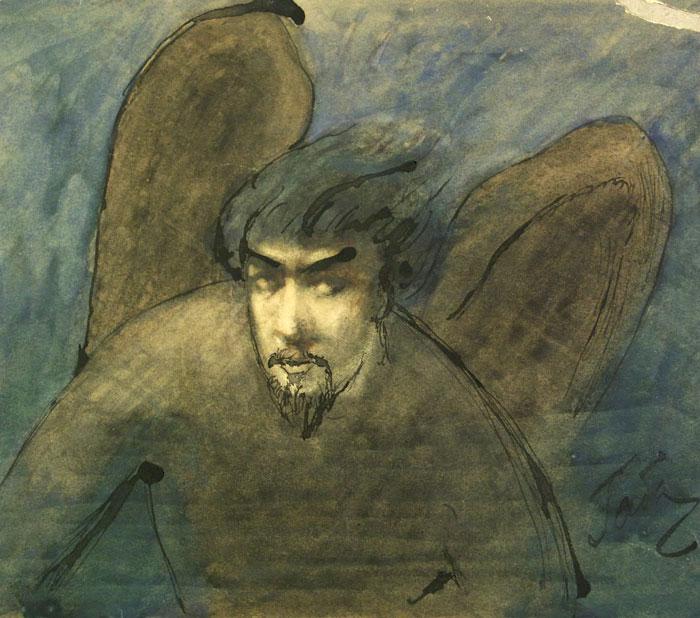
Untitled (ARJCPD)

 Read More
Purchase a high-resolution, enhanced digital image, far superior to the online preview.
Each file is meticulously prepared by our in-house specialists using advanced tools and expert manual retouching. We ensure every image has exceptional clarity, precise color accuracy, and fine detail.
The final file is delivered via email within 72 hours, optimized for immediate use in professional, editorial, and print environments. This is the same quality trusted by top-tier design studios, publishers, and galleries.
Digital Image
Download a high-resolution file for personal display, printing, and creative projects. ( Buy Print Buy Hand Made Painting)
Included in Every Digital Image Order
Expert Digital Delivery, Guaranteed
When you choose ArtsDot.com, you're not just getting an image - you're receiving a professionally enhanced digital artwork, crafted with precision and backed by a satisfaction guarantee. Here's everything that comes with your order, automatically:

Fast Email Delivery
Your high-resolution digital image file will be emailed to you within 72 hours of ordering - ready for immediate use.

AI-Enhanced Digital File
Your artwork is professionally optimized using advanced AI tools and manual editing, ensuring maximum detail, clarity, and color accuracy.

Free Lifetime Re-Delivery
Accidentally deleted or lost your file? No worries - we'll resend it to you anytime, free of charge.

No Import Fees - Ever
Enjoy your artwork instantly with zero customs, duties, or delivery fees - digital downloads are always tax-free.

Color Accuracy Guarantee
We ensure your digital image reflects the original colors as closely as possible using professional tools and color management.

60-Day Satisfaction Guarantee
If you're not satisfied with your digital image, we'll revise it or refund 100% within 60 days - no questions asked.

100% Money-Back Guarantee
Not satisfied? Get a full refund within 60 days of receiving your digital file - no questions asked.

Bulk Order Discounts
Buy 3 images, save 10% - Buy 5, save 15% - Buy 10+, save 20%. Great for creative projects, galleries, and agencies.
Related Artworks







Artist Biography
Gustav Klimt: A Rebel of Form and Feeling
Born in Vienna in 1862, Gustav Klimt emerged as a pivotal figure in the late 19th-century art world, a time of rapid change and burgeoning artistic experimentation. His life, tragically cut short at the age of 57 in 1918, was marked by both immense success and profound personal struggles – experiences that inextricably shaped his distinctive style and enduring legacy. Klimt’s journey wasn't one of straightforward academic progression; instead, it was a deliberate rejection of established norms, fueled by a desire to express the complexities of human emotion and experience through richly symbolic imagery.
Klimt’s early artistic training at the Vienna School of Arts and Crafts provided him with a foundational understanding of draftsmanship and decorative techniques. However, he quickly recognized the limitations of this classical approach, finding it too restrictive for his burgeoning vision. He sought inspiration in diverse sources – Japanese art, Byzantine mosaics, and the Symbolist movement—all of which contributed to his fascination with pattern, texture, and the evocative power of color. This eclectic influence is immediately apparent in his early works, such as *Portrait of Adele Bloch-Bauer*, a stunning example of Klimt’s developing style that blends meticulous detail with an increasingly opulent and decorative aesthetic.
- Early Years & The Company of Artists: Klimt's initial foray into the art market was through collaboration with his brother, Ernst, and friend Franz Masch, forming “The Company of Artists.” This partnership proved initially fruitful, securing commissions for murals in public buildings like the Vienna Burgtheater and the Kunsthistorisches Museum. These projects allowed Klimt to hone his skills in large-scale decorative painting while simultaneously exploring his own artistic inclinations.
- The Secession Movement: A turning point arrived in 1897 with Klimt’s departure from the conservative Vienna Artists' Association and his involvement in the formation of the Secession – a group dedicated to challenging academic conventions and advocating for artistic freedom. The Secession’s manifesto, famously designed by Klimt himself, declared a “new art” that would break free from the constraints of tradition.
- Symbolism & Eroticism: Klimt's work during this period became increasingly infused with symbolism and erotic undertones. He explored themes of love, desire, and spirituality through stylized figures, intricate patterns, and rich color palettes. *The Kiss*, perhaps his most iconic painting, exemplifies this approach—a tender yet enigmatic depiction of a couple enveloped in a shimmering golden embrace.
The Golden Phase: A World of Myth and Desire
Following the Secession’s formation, Klimt entered what is often referred to as his “golden phase.” This period saw him produce some of his most celebrated works, characterized by an overwhelming use of gold leaf—a technique borrowed from Byzantine mosaics—to create a sense of opulence, divinity, and timelessness. The application of gold wasn’t merely decorative; it served as a visual metaphor for spiritual illumination and the transformative power of love.
- Adele Bloch-Bauer Portraits: Klimt's portraits of wealthy Viennese women, particularly *Portrait of Adele Bloch-Bauer I* (1907), are masterpieces of his golden phase. These works showcase his ability to capture the sitter’s personality and social status while simultaneously imbuing them with a sense of mystery and allure. The intricate patterns in the backgrounds—often inspired by textiles and geometric designs—create a mesmerizing visual experience.
- The Judith Series: Klimt's series of paintings depicting the biblical heroine Judith, who beheaded Holofernes to save her people, further explored themes of female power, sexuality, and sacrifice. These works are notable for their bold compositions, dramatic lighting, and symbolic use of color.
Personal Tragedy & Artistic Transformation
The death of Klimt’s brother, Ernst, in 1918, profoundly impacted the artist's work. This devastating loss, coupled with the financial difficulties he faced during World War I, led to a shift in his artistic direction. While he continued to employ gold leaf, his paintings became darker and more emotionally charged, reflecting his own sense of grief and disillusionment.
Despite this period of personal turmoil, Klimt produced some of his most powerful works—including *Death and Life* (1918), a haunting depiction of mortality and regeneration. These paintings demonstrate a willingness to confront difficult themes with unflinching honesty and emotional intensity. The influence of the Secession’s ideals remained, but they were now tempered by a deeper understanding of human suffering and the fragility of life.
Legacy & Enduring Influence
Gustav Klimt's work continues to captivate audiences worldwide. His distinctive style—characterized by its opulent decoration, symbolic imagery, and exploration of erotic themes—has had a profound influence on subsequent generations of artists. From Art Nouveau to contemporary design, his aesthetic has been widely imitated and celebrated.
- Art Nouveau & Decorative Arts: Klimt’s work played a significant role in the development of Art Nouveau, an international style characterized by its flowing lines, organic forms, and emphasis on craftsmanship.
- Modern Symbolism: His exploration of symbolism and psychological themes paved the way for later movements such as Expressionism and Surrealism.
- Continued Popularity: Klimt’s paintings remain immensely popular, adorning posters, fabrics, and other commercial products—a testament to their enduring appeal and artistic significance.
Gustav Klimt's life and art represent a complex and fascinating intersection of personal tragedy, artistic innovation, and cultural transformation. He was a rebel who dared to challenge convention, a visionary who sought to express the deepest emotions through visual form, and an artist whose legacy continues to inspire and provoke debate today.
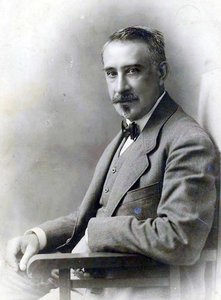
giorgi (gigo) ivanes dze gabashvili
1862 - 1936 , Russia
Quick Facts
- Artistic Movement Or Style: Portraiture, landscapes
- Artists Or Movements Influenced By This Artist: ["Flagler's St. Augustine"]
- Artists Who Influenced This Artist: ['Academic history painters']
- Date Of Birth: 1862
- Date Of Death: 1891
- Full Name: Robert S German
- Nationality: German
- Notable Artworks: ['At Binsey, near Oxford']
- Place Of Birth: Berlin, Germany

