

 Preview
 Send
Send Share
Share
 Details

 Download
 Similars
 X-Ray
X-Ray Diaporama
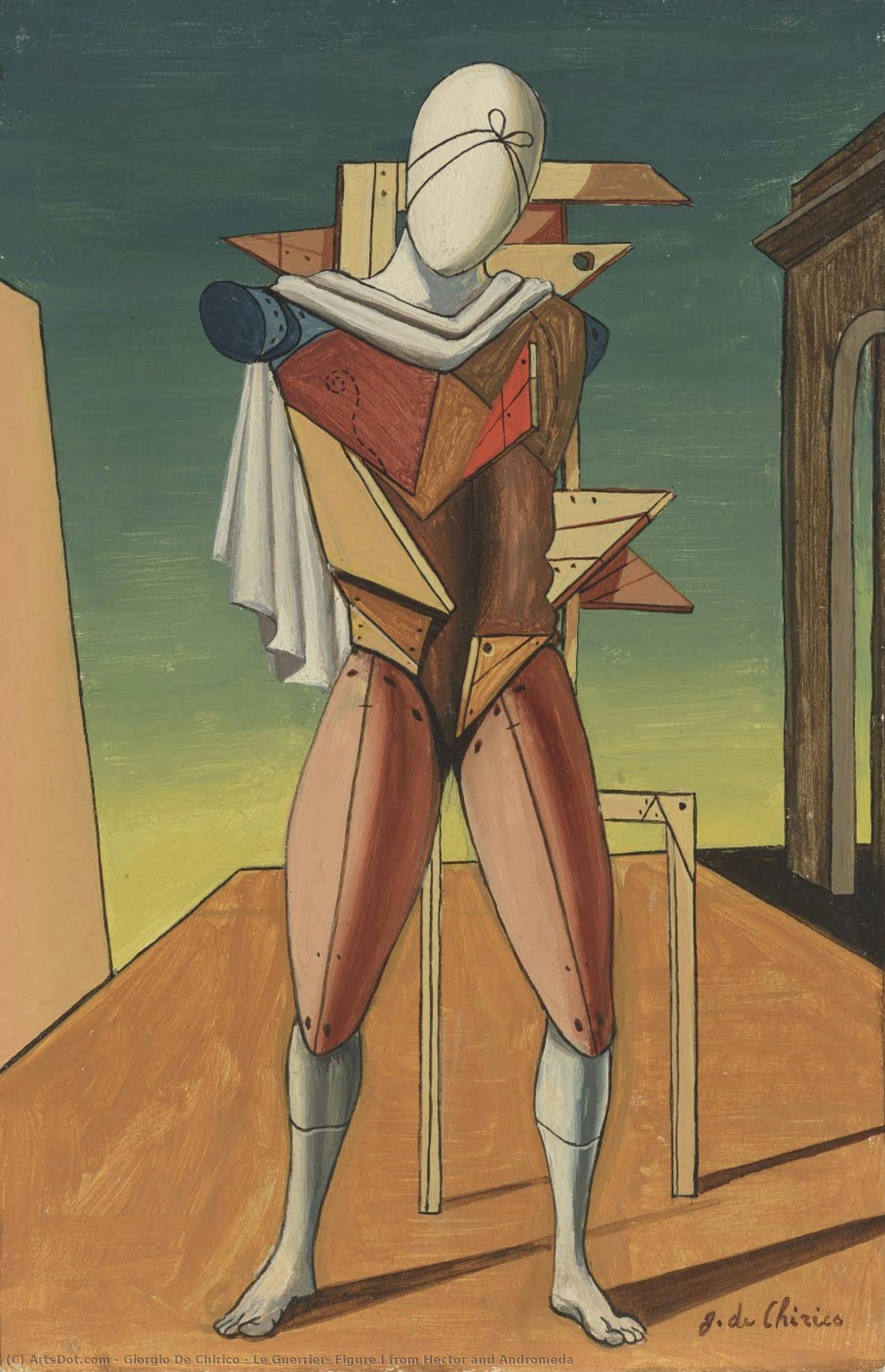
Le Guerrier, Figure I from Hector and Andromeda
 Oil On Panel
- Surrealist Landscape
 Modern
 21.0 x 14.0 cm
 Legion of Honor
 Read More
Purchase a high-resolution, enhanced digital image, far superior to the online preview.
Each file is meticulously prepared by our in-house specialists using advanced tools and expert manual retouching. We ensure every image has exceptional clarity, precise color accuracy, and fine detail.
The final file is delivered via email within 72 hours, optimized for immediate use in professional, editorial, and print environments. This is the same quality trusted by top-tier design studios, publishers, and galleries.
Digital Image
Download a high-resolution file for personal display, printing, and creative projects. ( Buy Print Buy Hand Made Painting)
Included in Every Digital Image Order
Expert Digital Delivery, Guaranteed
When you choose ArtsDot.com, you're not just getting an image - you're receiving a professionally enhanced digital artwork, crafted with precision and backed by a satisfaction guarantee. Here's everything that comes with your order, automatically:

Fast Email Delivery
Your high-resolution digital image file will be emailed to you within 72 hours of ordering - ready for immediate use.

AI-Enhanced Digital File
Your artwork is professionally optimized using advanced AI tools and manual editing, ensuring maximum detail, clarity, and color accuracy.

Free Lifetime Re-Delivery
Accidentally deleted or lost your file? No worries - we'll resend it to you anytime, free of charge.

No Import Fees - Ever
Enjoy your artwork instantly with zero customs, duties, or delivery fees - digital downloads are always tax-free.

Color Accuracy Guarantee
We ensure your digital image reflects the original colors as closely as possible using professional tools and color management.

60-Day Satisfaction Guarantee
If you're not satisfied with your digital image, we'll revise it or refund 100% within 60 days - no questions asked.

100% Money-Back Guarantee
Not satisfied? Get a full refund within 60 days of receiving your digital file - no questions asked.

Bulk Order Discounts
Buy 3 images, save 10% - Buy 5, save 15% - Buy 10+, save 20%. Great for creative projects, galleries, and agencies.
Collectible Description
A Fragment of Surrealist Dreamscape: The Enigma of De Chirico
Giorgio de Chirico's "Le Guerrier, Figure I from Hector and Andromeda" is far more than a mere painting; it is a distilled essence of the profound anxieties and fascinations that defined the dawn of the Surrealist movement. Executed between 1913 and 1914—a period of intense intellectual upheaval in Europe—this enigmatic artwork transports the viewer into a meticulously crafted space where the boundaries of reality fracture. It invites a deep, contemplative journey into themes of isolation, memory, and the labyrinthine corridors of the subconscious mind. As one gazes upon this piece, there is an immediate sense of stepping into a dream that refuses to be forgotten, making it a captivating centerpiece for any collection dedicated to the mysteries of the human psyche.
The visual language of the work is one of profound disquiet. Dominating the canvas is a solitary male figure, positioned before an imposing architectural façade that evokes the haunting grandeur of Roman ruins. This stark element grounds the scene in classical tradition, yet de Chirlyco uses it to disrupt any sense of harmony. The figure's posture exudes a heavy stillness, almost a state of paralysis, accentuated by his outstretched arms which convey a palpable vulnerability against the monumental stone. Most striking is the mask or face covering worn by the warrior; this element transcends literal representation to become a potent symbol of concealment and the hidden anxieties lurking beneath the surface of our conscious existence.
Mastery of Technique and Metaphysical Atmosphere
De Chirico’s technical execution is characterized by a masterful blend of precise draughtsmanship and an unsettling, illusionistic depth. He meticulously rendered the textures of the building—the rough, weathered stone punctuated by subtle variations in shade—creating a convincing three-dimensionality that stands in sharp contrast to the flat, desolate dirt ground beneath the figure. This manipulation of perspective is a hallmark of his scuola metafisica style, designed to create an illogical, dreamlike space that feels both physically present and spiritually distant.
The palette is intentionally muted, relying heavily on ochres, browns, and earthy tones. This choice contributes to the painting’s melancholic atmosphere, echoing the desolate landscapes of artists like Arnold Böcklin and Max Klinger, who deeply influenced de Chirico's aesthetic. For the discerning collector or interior designer, this piece offers a sophisticated tonal depth that complements modern minimalist settings or classical, more traditional interiors alike. The presence of subtle objects, such as the chairs positioned within the composition, adds layers of intrigue and depth, inviting the eye to wander through the shadows of the painting's silent stage.
A Timeless Legacy for the Modern Collector
To possess a reproduction of this work is to hold a piece of art history that bridges the gap between classical mythology and modern existentialism. The painting serves as a window into the philosophical currents of the early 20th century, reflecting the influence of Nietzsche and Schopenhauer on the artist's vision of reality. It is an artwork that does not merely decorate a room but transforms it, providing a focal point for intellectual discourse and emotional reflection.
Whether you are an art lover drawn to the haunting beauty of the Metaphysical movement or an interior designer seeking a piece with profound narrative weight, "Le Guerrier, Figure I from Hector and Andromeda" offers an unparalleled sense of drama. Its ability to evoke both stillness and tension makes it a timeless addition to any curated space, promising to inspire awe and contemplation for generations to come.
Artist Biography
A Dreamscape of the Mind: The Life and Art of Giorgio de Chirico
Born in 1888 in Volos, Greece, to Italian parents—a Genoese mother and a Sicilian father—Giorgio de Chirico’s artistic journey was one steeped in both classical heritage and a burgeoning sense of modern alienation. His early education at the Athens Polytechnic laid a foundation in traditional techniques, but it was his subsequent studies in Munich that truly ignited his creative spirit. There, amidst the intellectual ferment of pre-war Europe, he encountered the works of Arnold Böcklin and Max Klinger, artists whose symbolic landscapes and haunting imagery would deeply resonate with his own developing aesthetic. Equally influential were the philosophical currents of the time—the writings of Friedrich Nietzsche, Arthur Schopenhauer, and Otto Weininger—which explored themes of existentialism, the irrationality of human desire, and the subjective nature of reality. These ideas would become central to de Chirico’s groundbreaking artistic vision.The Birth of Metaphysical Painting
Around 1909, a unique style began to emerge from de Chirico's explorations—a style that he himself termed “Metaphysical” art. This wasn’t merely a stylistic innovation; it was a profound attempt to capture the hidden realities beneath the surface of everyday life, to reveal the unsettling poetry lurking within familiar spaces. A pivotal moment occurred during a visit to Florence and an experience in Piazza Santa Croce, which sparked his iconic ‘Metaphysical Town Square’ series. These paintings are characterized by their eerie stillness, long dramatic shadows, illogical perspectives, and the presence of classical architecture juxtaposed with unsettling elements like faceless mannequins and looming statues. The effect is deeply disquieting, evoking a sense of nostalgia, isolation, and an almost unbearable longing for something lost or unattainable. De Chirico founded the Scuola Metafisica, profoundly impacting Surrealism, though he would later distance himself from its interpretations of his work. His paintings weren’t intended as illustrations of dreams, but rather as attempts to depict a reality beyond the visible world—a realm where time and space are fluid, and the boundaries between consciousness and unconsciousness blur. Notable works like *The Vexations of the Thinker*, *The Enigma of an Autumn Afternoon*, and *The Song of Love* exemplify this haunting aesthetic, inviting viewers to contemplate the mysteries of existence and the fragility of human perception.A Shift in Style and a Lasting Legacy
Following World War I, around 1919, de Chirico’s artistic path took an unexpected turn. He rejected his earlier metaphysical approach, embracing instead a more traditional neoclassical or neo-baroque style. This shift was met with considerable controversy; many critics lamented the perceived decline in quality and accused him of abandoning the innovative spirit that had defined his early work. However, de Chirico remained steadfast in his artistic choices, revisiting themes from his past but rendering them with a different aesthetic sensibility. He continued to paint and exhibit prolifically throughout his life, exploring various styles and subjects while maintaining a consistent commitment to craftsmanship and technical skill. Despite the criticism, his influence on subsequent generations of artists cannot be overstated. His innovative use of space, perspective, and symbolism challenged conventional artistic norms and paved the way for new forms of expression.Influences and Enduring Impact
De Chirico’s work stands as a crucial bridge between the late 19th-century Symbolist movement and the rise of Surrealism in the early 20th century. He was directly influenced by artists like Arnold Böcklin and Max Klinger, whose evocative imagery resonated with his own fascination with mythology and the subconscious mind. Philosophers such as Nietzsche and Schopenhauer provided him with a framework for exploring themes of existential angst, alienation, and the search for meaning in a seemingly meaningless world. However, de Chirico’s influence extended far beyond Surrealism. Artists like René Magritte and Salvador Dalí were deeply inspired by his metaphysical paintings, adopting his techniques of juxtaposition, illogical perspective, and symbolic imagery to create their own dreamlike worlds. His work also impacted later movements such as Magic Realism, which sought to depict everyday reality with a heightened sense of mystery and psychological depth. Today, de Chirico’s paintings are exhibited in major museums worldwide, including the Museum dedicated to his work near the Spanish Steps in Rome, ensuring that his legacy as one of the most important figures in 20th-century art remains secure. He left behind not just a body of artwork but a new way of seeing—a way of perceiving the world as a place of hidden meanings, unsettling beauty, and enduring mystery.Key Influences & Artistic Lineage
- Influenced By: Arnold Böcklin, Max Klinger, Friedrich Nietzsche, Arthur Schopenhauer.
- Influenced: Surrealism, particularly artists like René Magritte and Salvador Dalí. His work also impacted later movements such as Magic Realism.
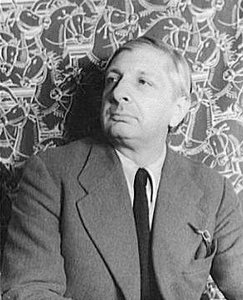
Giorgio de Chirico
1888 - 1978 , Greece
Quick Facts
- Artistic Movement Or Style: Metaphysical art
- Artists Or Movements Influenced By This Artist:
- Surrealism
- René Magritte
- Salvador Dalí
- Artists Who Influenced This Artist:
- Arnold Böcklin
- Max Klinger
- Friedrich Nietzsche
- Date Of Birth: July 10, 1888
- Date Of Death: 1978
- Full Name: Giorgio de Chirico
- Nationality: Italian
- Notable Artworks:
- The Vexations of the Thinker
- The Enigma of an Autumn Afternoon
- The Song of Love
- Place Of Birth: Volos, Greece

