 Preview
 Send
Send Share
Share
 Details

 Download
 Similars
 X-Ray
X-Ray Diaporama
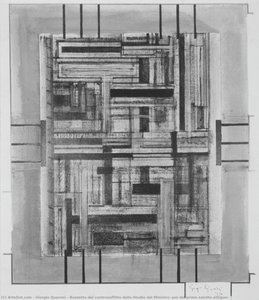
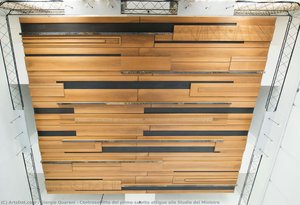
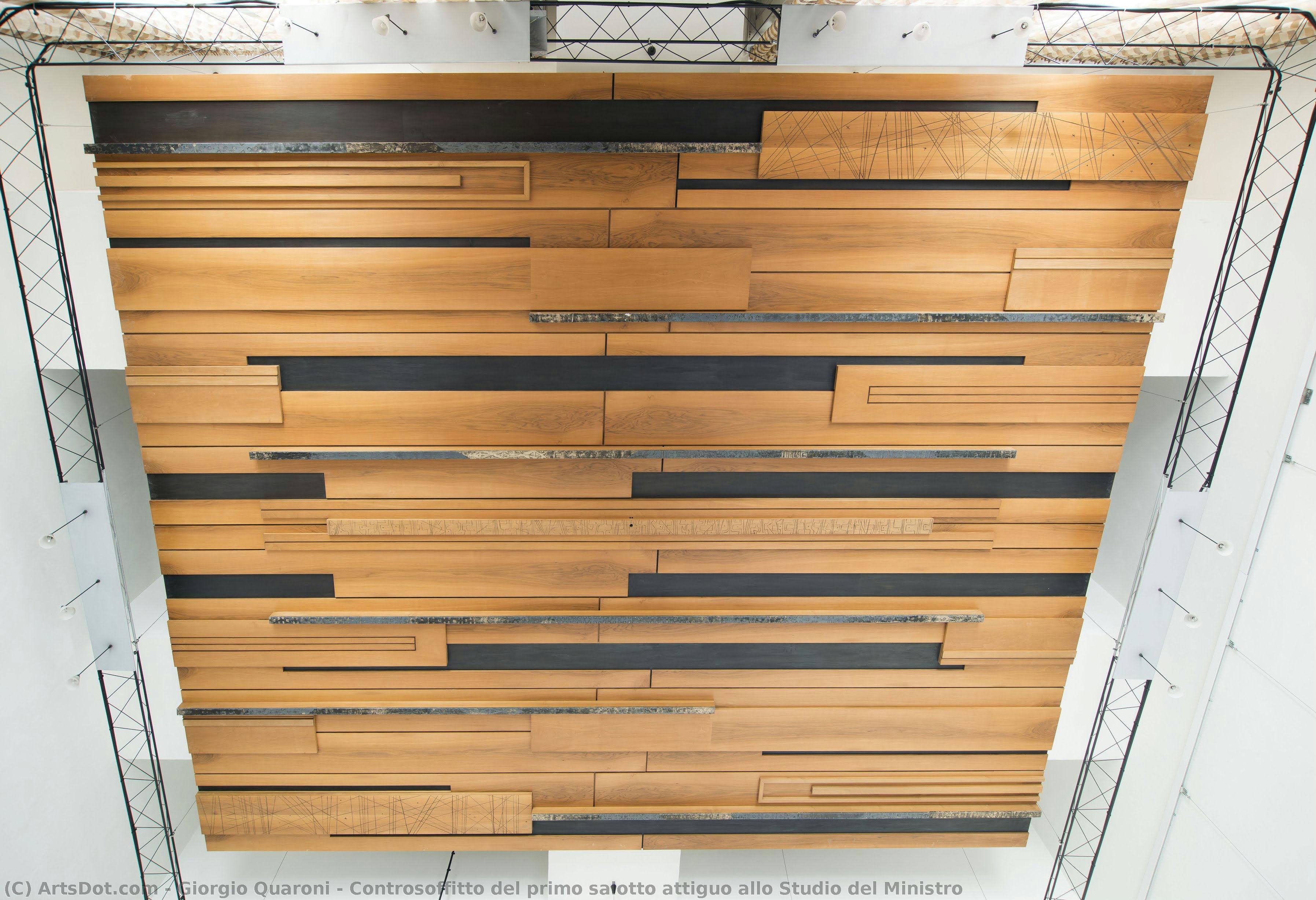
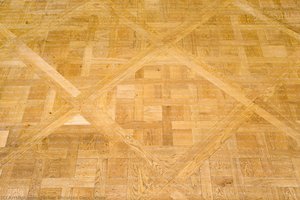
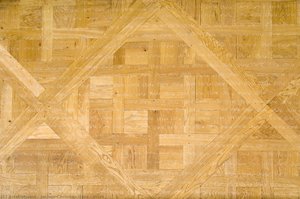
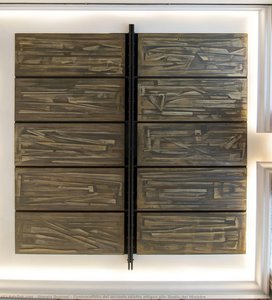
Controsoffitto del primo salotto attiguo allo Studio del Ministro

 Read More
Hand Made Oil Reproduction
Hand-painted oil on canvas in your size and frame, made to order by our artists. ( Buy Print Buy Image)




































Pick from our preset sizes that match the artwork's original proportions.

You may enter your own dimensions to fit a specific frame or space. If your selected size does not match the original image's proportions, we will either crop the artwork or extend the painting with additional hand-painted elements. A digital mockup will be sent for your approval before production begins.
Please note that the on-screen preview does not reflect the actual cropping or extension. Only the mockup will accurately show the final composition.
While custom sizes are available, we recommend selecting a dimension from the predefined list to preserve the original proportions.
After order, ArtsDot.com team will email client for instructions and provide a mockup preview
Worldwide Delivery () in 3/4 weeks instead of standard 5 weeks. (24 August). No compromise on quality.

Free Worldwide Express Shipping

High-Quality Linen Canvas

Full Shipping Insurance

Customs Tax Refund Guarantee

True Color Matching Guarantee

60-Day Return Policy (Defects Only)

100% Money-Back Guarantee

Bulk Discount Offer
 Glass option is only available in size under 110 CM

Controsoffitto del primo salotto attiguo allo Studio del Ministro
Reproduction Medium
Reproduction Size
-


Total Price
$ 263
Related Artworks



Artist Biography
The Visionary of Roman Landscape and Architectural Symbolism
In the heart of Rome, where the echoes of antiquity meet the structured grandeur of the twentieth century, the name Giorgio Quaroni resonates as a master of monumental expression. Born in 1907, Quaroni emerged during a transformative era for Italian art, a period defined by a profound tension between classical reverence and the burgeoning modernism of the interwar years. His artistic journey was deeply rooted in the soil of his birthplace, shaped by the rigorous academic training he received at the Accademia di Belle Arti Pietro Bondi. It was here that he mastered the delicate balance of disegno tecnico e storico—technical and historical drawing—a skill that would later allow him to breathe life into architectural spaces through both paint and glass.
Quaroni’s legacy is perhaps most indelibly etched in the colossal frescoes of his most ambitious undertaking, ‘La Fondazione di Roma.’ Completed between late 1939 and early 1940, this monumental work was more than a mere commission; it was a profound narrative of national identity. Tasked by the Ministry of Propaganda and Fascist Culture to depict the mythological origins of the Eternal City, Quaroni utilized the legend of Romulus and Remus to create a visual epic. Through his brush, the she-wolf and her twins are not merely figures in a myth, but symbols of a civilization’s dawn, set against an idealized Roman landscape that captures the very essence of Italy's classical heritage. His ability to weave meticulous detail with a sweeping, emotive use of color transformed walls into windows through which one could glimpse a glorified, timeless past.
A Mastery of Light and Architectural Integration
While his murals captured the weight of history, Quaroni’s versatility allowed him to explore the ethereal qualities of light. This is most strikingly evident in his celebrated stained glass commissions, particularly those adorning the Sant'Andrea Apostolo basilica in Siena. In these works, the artist moved away from the heavy, grounded narratives of fresco to embrace a luminous, translucent language. These windows demonstrate a remarkable ability to integrate artistic expression with religious devotion, using the interplay of sunlight and colored glass to create a spiritual atmosphere that transcends the physical boundaries of the church architecture.
Quaroni’s creative spirit was also deeply intertwined with the architectural movements of his time, specifically the Art Deco style and the Beaux Arts tradition. His work often functioned in dialogue with the structural designs of his contemporaries, such as the architect Enrico Del Debbio. Evidence of this synergy can be found in the intricate ceiling designs (controsoffitti) he contributed to prestigious Roman interiors, including the Ministry of Foreign Affairs. In these spaces, Quaroni’s art was not an afterthought but a fundamental component of the architectural soul, designed to complement the geometry and grace of modern institutional design.
Collaborations and Artistic Legacy
The artistic landscape of mid-century Italy was a vibrant, interconnected web, and Quaroni sat at its center. His career was enriched by significant collaborations with a cohort of influential artists, including Cambellotti, Missori, Gaudenzi, Grottini, Selva, and Hajnal. These professional relationships allowed for a cross-pollination of ideas, where the monumentalism of mural painting met the decorative elegance of modern design. His work reflected the broader European trends of his era, navigating the complexities of a world caught between the nostalgic pull of classical antiquity and the sleek, forward-looking innovations of the early twentieth century.
Ultimately, Giorgio Quaroni remains a pivotal figure whose work serves as a bridge between eras. Whether through the sweeping narratives of his frescoes or the delicate brilliance of his stained glass, he possessed a unique ability to capture the symbolic significance of the Roman landscape and its architectural triumphs. His contributions continue to stand as a testament to an era when art was used to define the very identity of a nation, leaving behind a visual heritage that is as structurally profound as it is emotionally resonant.
Giorgio Quaroni
1907 - 1960 , Italy
Quick Facts
- Artistic Movement Or Style: Mural Painting
- Artists Or Movements Influenced By This Artist:
- Cambellotti
- Missori
- Date Of Birth: 1907
- Full Name: Giorgio Quaroni
- Nationality: Italian
- Notable Artworks: ['La Fondazione di Roma']
- Place Of Birth: Rome, Italy