 Preview
 Send
Send Share
Share
 Details

 Download
 Similars
 X-Ray
X-Ray Diaporama
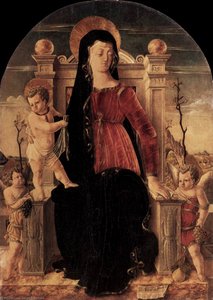
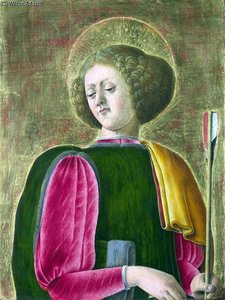
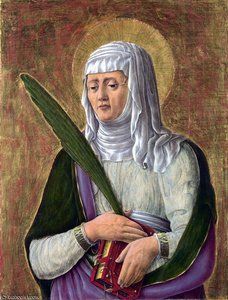
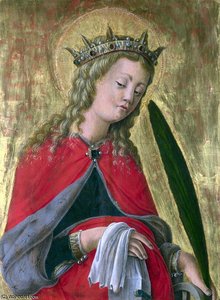
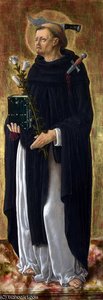
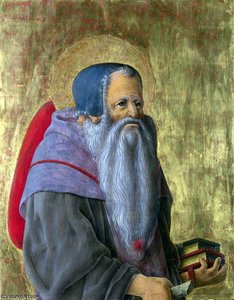
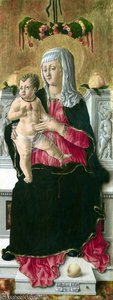
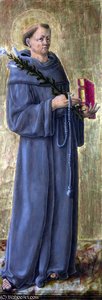
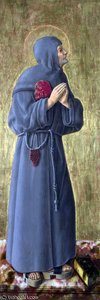
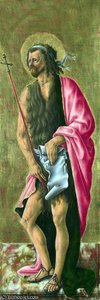
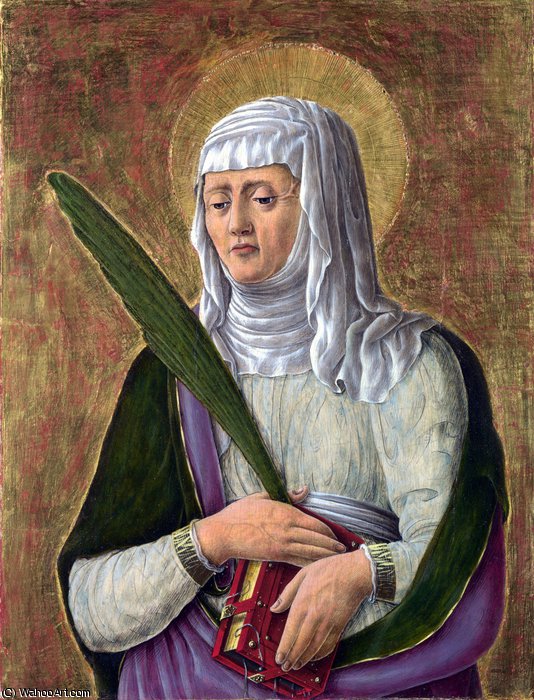
A female saint
 Read More
Hand Made Oil Reproduction
Hand-painted oil on canvas in your size and frame, made to order by our artists. ( Buy Print Buy Image)




































Pick from our preset sizes that match the artwork's original proportions.

You may enter your own dimensions to fit a specific frame or space. If your selected size does not match the original image's proportions, we will either crop the artwork or extend the painting with additional hand-painted elements. A digital mockup will be sent for your approval before production begins.
Please note that the on-screen preview does not reflect the actual cropping or extension. Only the mockup will accurately show the final composition.
While custom sizes are available, we recommend selecting a dimension from the predefined list to preserve the original proportions.
After order, ArtsDot.com team will email client for instructions and provide a mockup preview
Worldwide Delivery () in 3/4 weeks instead of standard 5 weeks. (20 August). No compromise on quality.

Free Worldwide Express Shipping

High-Quality Linen Canvas

Full Shipping Insurance

Customs Tax Refund Guarantee

True Color Matching Guarantee

60-Day Return Policy (Defects Only)

100% Money-Back Guarantee

Bulk Discount Offer
 Glass option is only available in size under 110 CM

A female saint
Reproduction Medium
Reproduction Size
-


Total Price
$ 263
Related Artworks
Artist Biography
The Venetian Soul of a Dalmatian Master
In the luminous tapestry of the Renaissance, few figures bridge the cultural divide between the Adriatic coast and the Italian mainland as elegantly as Giorgio Schiavone. Born Juraj Ćulinović in the scenic town of Skradin around 1433 or 1436, this master emerged from the Dalmatian landscape to become a pivotal voice in the Venetian Renaissance. His early years were steeped in the burgeoning artistic traditions of his homeland, where he likely received his first lessons under Dujam Vušković. This foundational period in Dalmatia provided him with a unique perspective, blending the rugged, spiritual intensity of the Balkan coast with the sophisticated humanism that was beginning to sweep through the Italian peninsula.
The trajectory of Schiavone’s life changed irrevocably when he moved to Italy in 1456. Seeking the pinnacle of artistic instruction, he entered the prestigious Paduan studio of Francesco Squarcione. It was here, amidst the scent of pigments and the rigorous study of classical antiquity, that Schiavondere’s style began to crystallize. Under Squarcione’s tutelage, he mastered the art of sculptural modeling and atmospheric perspective—techniques that would become the hallmarks of his mature work. His time in Padua was not merely an education but a transformative encounter with the Paduan school's meticulous realism, an influence that would later allow him to infuse his religious subjects with a profound sense of physical presence and weight.
A Synthesis of Style and Spirit
As Schiavone’s career progressed, his artistry became a sophisticated dialogue between different regional influences. While his roots remained in the Dalmatian tradition, his heart beat with the rhythms of Venice. He moved through the great artistic centers of the era, including Venice and Padua, absorbing the innovations of luminaries such as Giovanni Bellini and Andrea Mantegna. This synthesis resulted in a style that was uniquely his own: a blend of Mantegna’s disciplined, almost architectural precision with the soft, emotive luminosity characteristic of Venetian painting. His compositions often utilized the pyramidal structure to create a sense of divine stability, guiding the viewer's eye toward the sacred subjects at the center of his devotion.
Technically, Schiavone was a master of texture and light. He frequently employed the impasto technique, layering paint with a deliberate thickness to capture the play of light across surfaces, lending a tactile quality to his figures. His color palette was often a study in controlled elegance, utilizing muted, earthy tones that were punctuated by sudden, vibrant bursts of crimson or gold. This careful balance served to heighten the emotional resonance of his work; when he depicted a saint or a Madonna, the viewer did not merely see a figure, but felt the weight of their spiritual contemplation and the warmth of their humanity.
Legacy and Artistic Significance
The works of Giorgio Schiavone stand as enduring monuments to a period of intense cultural exchange. His ability to navigate between the identities of Sclavonus and Georgius Dalmaticus mirrors his artistic ability to bridge the gap between the North Italian and Dalmatian schools. Some of his most enduring achievements include:
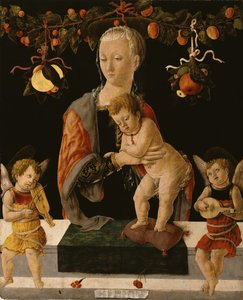
- The Madonna and Child: A quintessential example of his devotional mastery, where the use of a coral necklace on the Christ Child serves as both a realistic detail and a symbolic ward against evil.
- Religious Iconography: His ability to translate complex theological themes into accessible, visually stunning altarpieces that commanded reverence in cathedrals from Šibenik to Venice.
- The Influence of Squarcione: His role in carrying the rigorous, sculptural traditions of the Paduan workshop into the broader Mediterranean landscape.
Though much of his life was spent navigating the complexities of trade, land ownership, and even legal disputes with his former mentor, Schiavone’s true legacy lies in the silent, powerful presence of his canvases. He remains celebrated as the most significant Dalmatian painter of the 15th century, a man whose brush captured the serene beauty and the profound spiritual fervor of a Renaissance caught between two worlds.
Giorgio Schiavone
1437 - 1504 , Italy
Quick Facts
- Artistic Movement Or Style: Renaissance art; Venetian school
- Artists Or Movements Influenced By This Artist: Mantegna
- Artists Who Influenced This Artist: Squarcione
- Date Of Birth: ca. 1436
- Date Of Death: 1504
- Full Name: Giorgio Ćulinović
- Nationality: Croatian
- Notable Artworks:
- Saint Sebastian
- Saint Anthony of Padua
- The Virgin and Child
- Place Of Birth: Scardone, Italy