

 Send
Send Share
Share
 Details

 Download
 Similars
 Diaporama
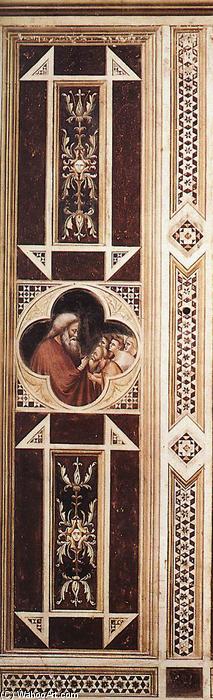
Prophet Eliseus with Youths (on the decorative band)


 Read More
Purchase a high-resolution, enhanced digital image, far superior to the online preview.
Each file is meticulously prepared by our in-house specialists using advanced tools and expert manual retouching. We ensure every image has exceptional clarity, precise color accuracy, and fine detail.
The final file is delivered via email within 72 hours, optimized for immediate use in professional, editorial, and print environments. This is the same quality trusted by top-tier design studios, publishers, and galleries.
Digital Image
Download a high-resolution file for personal display, printing, and creative projects. ( Buy Print Buy Hand Made Painting)
Included in Every Digital Image Order
Expert Digital Delivery, Guaranteed
When you choose ArtsDot.com, you're not just getting an image - you're receiving a professionally enhanced digital artwork, crafted with precision and backed by a satisfaction guarantee. Here's everything that comes with your order, automatically:

Fast Email Delivery
Your high-resolution digital image file will be emailed to you within 72 hours of ordering - ready for immediate use.

AI-Enhanced Digital File
Your artwork is professionally optimized using advanced AI tools and manual editing, ensuring maximum detail, clarity, and color accuracy.

Free Lifetime Re-Delivery
Accidentally deleted or lost your file? No worries - we'll resend it to you anytime, free of charge.

No Import Fees - Ever
Enjoy your artwork instantly with zero customs, duties, or delivery fees - digital downloads are always tax-free.

Color Accuracy Guarantee
We ensure your digital image reflects the original colors as closely as possible using professional tools and color management.

60-Day Satisfaction Guarantee
If you're not satisfied with your digital image, we'll revise it or refund 100% within 60 days - no questions asked.

100% Money-Back Guarantee
Not satisfied? Get a full refund within 60 days of receiving your digital file - no questions asked.

Bulk Order Discounts
Buy 3 images, save 10% - Buy 5, save 15% - Buy 10+, save 20%. Great for creative projects, galleries, and agencies.
Collectible Description
A Visionary Fragment: The Human Spirit in Giotto’s Masterpiece
In the quiet, hallowed corridors of the Cappella Scrovegni in Padua, there exists a moment frozen in time, a delicate fragment of a much larger divine narrative. Prophet Eliseus with Youths, painted by the legendary Giotto di Bondone around 1304, serves as more than just a decorative band; it is a profound window into the dawn of the Renaissance. While many frescoes of this era focused on the distant and the divine, Giotto dared to bring the sacred down to earth. In this specific medallion, we witness a breathtaking departure from the rigid, flattened aesthetics of the Byzantine tradition. Instead of ethereal, weightless figures floating against gold voids, Giotto presents us with a scene imbued with physicality, warmth, and an unmistakable sense of human connection.
The composition captures a tender, almost domestic intimacy that was revolutionary for its time. A man, draped in a rich, crimson robe, cradles a child with a protective grace, while a woman stands beside them, her presence anchoring the group in a shared moment of quiet devotion. This is not merely a religious depiction; it is an exploration of the human condition. Through the subtle interplay of light and shadow, Giotto breathes life into the drapery and the soft contours of the faces, inviting the viewer to feel the weight of the fabric and the warmth of the skin. For the modern collector or interior designer, this piece offers a rare opportunity to possess a fragment of history that celebrates empathy and naturalism.
Technique and the Alchemy of Fresco
To gaze upon this work is to witness the mastery of tempera on plaster. Giotto’s technique was a sophisticated dance with moisture and pigment, requiring immense precision to ensure that the colors remained vibrant as the wall dried. The luminosity of the reds and the delicate shading around the figures are not mere accidents of artistry but the result of a meticulous application of layers designed to create depth. This method allows the painting to possess an internal glow, making it an extraordinary focal point for any curated space. The intricate gold trimming and the ornate framing within the fresco itself add a layer of opulence that speaks to the high prestige of the original commission by Enrico Scrovegni.
The emotional impact of the piece lies in its ability to bridge the gap between the monumental and the minute. While the larger chapel tells epic stories of salvation, this decorative band focuses on the subtle expressions—the tilt of a head, the gentle grip of a hand. It is this mastery of detail that makes a high-quality reproduction so captivating; it allows the nuanced textures and the profound emotional resonance of Giotto’s brushwork to transform a contemporary room into a sanctuary of contemplation. For those seeking to infuse their surroundings with intellectual depth and classical beauty, this artwork stands as an eternal testament to the power of seeing the world as it truly is: beautiful, tangible, and deeply felt.
Artist Biography
The Shepherd Boy of Florence: Giotto’s Revolutionary Vision
Born around 1267 in the rolling hills near Florence, Italy, Giotto di Bondone emerged from humble beginnings to become arguably the most pivotal figure in the transition from medieval artistic conventions toward the Renaissance. His early life is steeped in legend – a shepherd boy discovered sketching remarkably lifelike sheep on rocks, catching the discerning eye of the Florentine master Cimabue. Whether fact or folklore, this tale encapsulates the essence of Giotto’s genius: an innate ability to capture the natural world with unprecedented realism and emotional depth. Taken as an apprentice by Cimabue, Giotto quickly surpassed his teacher, absorbing technical skills but forging a path distinctly his own. The Byzantine style, dominant at the time, favored stylized figures, flattened perspectives, and lavish gold backgrounds – symbols of spiritual transcendence rather than earthly representation. Giotto, however, yearned to depict humanity not as ethereal icons, but as individuals imbued with feeling, existing within tangible space.
Breaking from Byzantium: A New Naturalism
Giotto’s artistic revolution wasn't a sudden upheaval, but a gradual evolution. His early works already hinted at the shift to come, demonstrating a growing emphasis on volume, weight, and believable anatomy. He began to observe light and shadow not merely as decorative elements, but as tools to sculpt form and create depth. This nascent naturalism is evident in his contributions to the frescoes in the Upper Basilica of Saint Francis of Assisi – though authorship remains debated, many scholars recognize Giotto’s hand in scenes that display a marked departure from prevailing Byzantine aesthetics. He wasn't simply rejecting tradition; he was building upon it, infusing established forms with a newfound sense of humanity and emotional resonance. He understood the power of narrative, crafting compositions that told stories not through rigid symbolism, but through expressive gestures, believable interactions, and carefully constructed settings.
The Scrovegni Chapel: A Masterpiece of Storytelling
Giotto’s masterpiece, and arguably one of the most important works in Western art history, is the fresco cycle adorning the Scrovegni Chapel (also known as the Arena Chapel) in Padua. Completed around 1305, this breathtaking series depicts the life of Christ and the Virgin Mary with a revolutionary level of realism and emotional intensity. Each scene unfolds like a carefully staged drama, populated by figures who are not merely representations of religious archetypes, but fully realized human beings experiencing joy, sorrow, fear, and hope. The *Last Judgment*, dominating one entire wall, is a powerful testament to Giotto’s skill in conveying both divine majesty and the raw vulnerability of humanity facing its ultimate reckoning. The use of perspective, though not mathematically precise by later Renaissance standards, creates a convincing illusion of depth, drawing the viewer into the narrative. The figures are grounded, their bodies possessing weight and volume, and their expressions convey a range of emotions that were previously unseen in religious art.
Beyond Frescoes: Architecture and Lasting Legacy
Giotto’s talents extended beyond painting; he was also a respected architect. In 1334, he was commissioned to design the Campanile – the bell tower – of Florence Cathedral, a project that showcased his innovative approach to architectural form. Though he died before its completion, his designs laid the foundation for this iconic Florentine landmark. His influence on subsequent generations of artists is immeasurable. He bridged the gap between the medieval and Renaissance worlds, paving the way for masters like Masaccio, Leonardo da Vinci, and Michelangelo. Vasari, in his seminal *Lives of the Artists*, credited Giotto with “giving to painting the great art of doing things from life,” a testament to his profound impact on the course of Western art. Giotto didn’t merely depict the world; he sought to understand it, to capture its essence, and to convey that understanding through the power of visual storytelling. His legacy continues to inspire awe and admiration centuries after his death, solidifying his place as one of history's greatest artistic innovators.
Key Achievements & Lasting Influence
- Revolutionized Painting: Moved away from Byzantine stylization towards naturalism and emotional realism.
- Pioneered Perspective: Introduced techniques to create depth and spatial awareness in paintings.
- Masterful Storytelling: Created compelling narratives through fresco cycles, like the Scrovegni Chapel.
- Architectural Contributions: Designed the Campanile of Florence Cathedral, demonstrating architectural skill.
- Foundation for Renaissance Art: His work laid the groundwork for the artistic achievements of the Renaissance period.
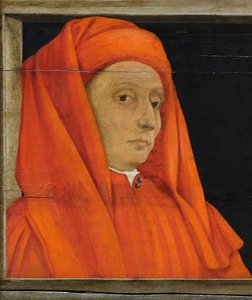
Giotto di Bondone
1267 - 1337 , Italy
Quick Facts
- Artistic Movement Or Style: Proto-Renaissance
- Artists Or Movements Influenced By This Artist:
- Masaccio
- Renaissance art
- Artists Who Influenced This Artist: ['Cimabue']
- Date Of Birth: c. 1267
- Date Of Death: 1337
- Full Name: Giotto di Bondone
- Nationality: Italian
- Notable Artworks:
- Scrovegni Chapel
- Ognissanti Madonna
- Campanile
- Place Of Birth: Florence, Italy

