

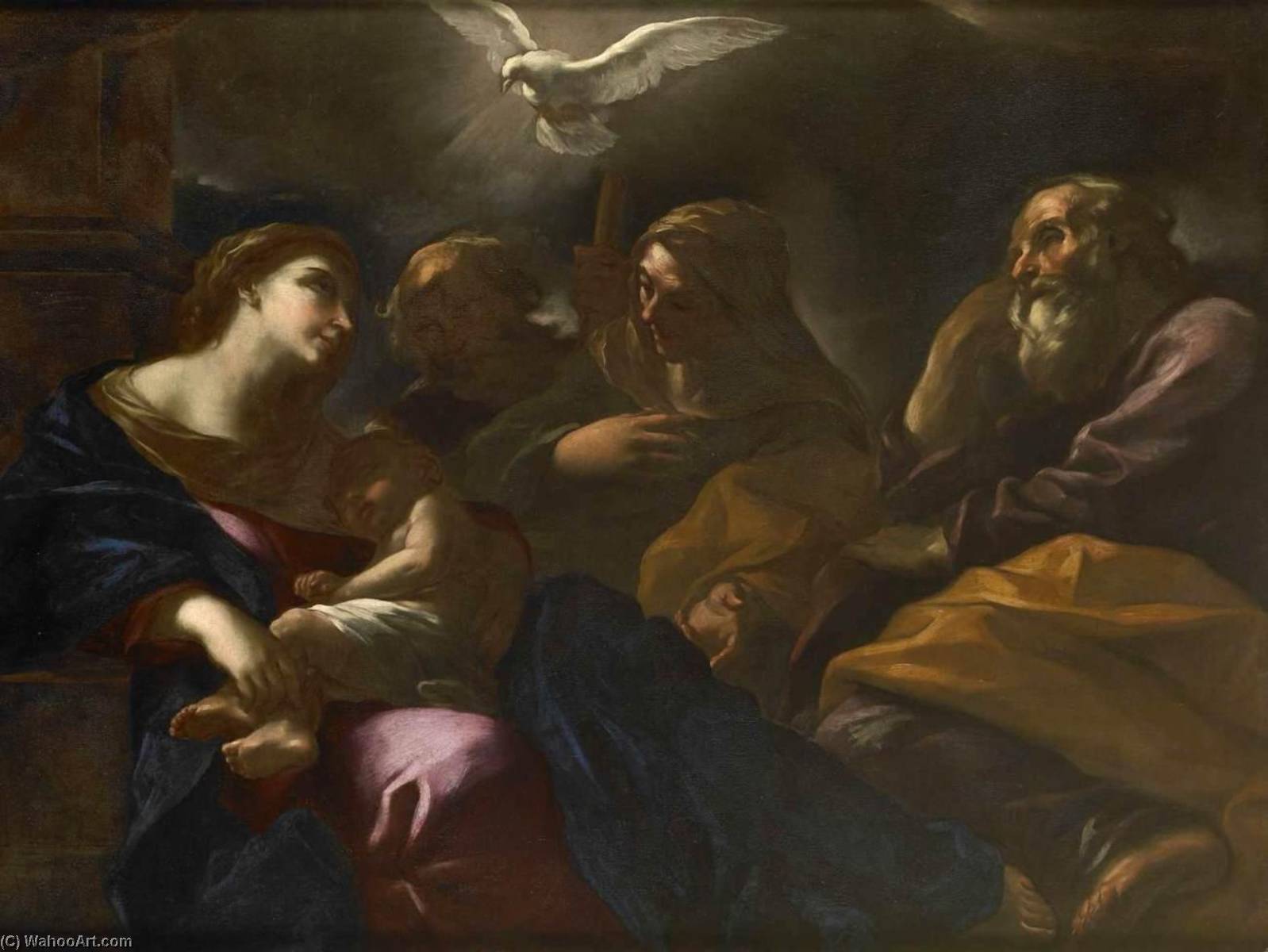
 Preview
 Send
Send Share
Share
 Details

 Download
 Similars
 X-Ray
X-Ray Diaporama
Holy Family with Sts Anne and Joachim
 1670
1670 128.0 x 169.0 cm
 Read More
Purchase a high-resolution, enhanced digital image, far superior to the online preview.
Each file is meticulously prepared by our in-house specialists using advanced tools and expert manual retouching. We ensure every image has exceptional clarity, precise color accuracy, and fine detail.
The final file is delivered via email within 72 hours, optimized for immediate use in professional, editorial, and print environments. This is the same quality trusted by top-tier design studios, publishers, and galleries.
Digital Image
Download a high-resolution file for personal display, printing, and creative projects. ( Buy Print Buy Hand Made Painting)
Included in Every Digital Image Order
Expert Digital Delivery, Guaranteed
When you choose ArtsDot.com, you're not just getting an image - you're receiving a professionally enhanced digital artwork, crafted with precision and backed by a satisfaction guarantee. Here's everything that comes with your order, automatically:

Fast Email Delivery
Your high-resolution digital image file will be emailed to you within 72 hours of ordering - ready for immediate use.

AI-Enhanced Digital File
Your artwork is professionally optimized using advanced AI tools and manual editing, ensuring maximum detail, clarity, and color accuracy.

Free Lifetime Re-Delivery
Accidentally deleted or lost your file? No worries - we'll resend it to you anytime, free of charge.

No Import Fees - Ever
Enjoy your artwork instantly with zero customs, duties, or delivery fees - digital downloads are always tax-free.

Color Accuracy Guarantee
We ensure your digital image reflects the original colors as closely as possible using professional tools and color management.

60-Day Satisfaction Guarantee
If you're not satisfied with your digital image, we'll revise it or refund 100% within 60 days - no questions asked.

100% Money-Back Guarantee
Not satisfied? Get a full refund within 60 days of receiving your digital file - no questions asked.

Bulk Order Discounts
Buy 3 images, save 10% - Buy 5, save 15% - Buy 10+, save 20%. Great for creative projects, galleries, and agencies.
Related Artworks







Artist Biography
The Dramatic Visions of Giovan Battista Beinaschi
Giovan Battista Beinaschi, a name perhaps less immediately recognizable than some of his Baroque contemporaries, nevertheless occupies a significant place in the artistic landscape of 17th-century Italy. Born in Naples around 1625 – precise dates remain elusive for many artists of this period – he flourished during a time of intense religious fervor and dramatic artistic innovation. His career unfolded primarily within the Neapolitan sphere, though his influence extended beyond its borders through engravings and the dissemination of his distinctive style. Beinaschi wasn’t merely a painter; he was a storyteller who wielded brush and pigment to convey profound spiritual narratives with an energy that captivated audiences and left a lasting mark on the local artistic tradition. He died in Naples in 1688, leaving behind a legacy of powerfully emotive frescoes and paintings that continue to resonate today.Early Life and Formation: A Neapolitan Apprenticeship
The details surrounding Beinaschi’s early training are somewhat obscured by the passage of time. It is generally accepted that he began his artistic journey within the vibrant workshop environment of Naples, a city teeming with artistic activity. The influence of Jusepe de Ribera, the Spanish master who dominated the Neapolitan art scene for much of the 17th century, is palpable in Beinaschi’s early works. Ribera's tenebrism – the dramatic use of light and shadow – profoundly shaped the young artist’s approach to composition and emotional intensity. However, Beinaschi wasn’t simply an imitator; he quickly developed a unique sensibility that distinguished him from his mentor. He absorbed the lessons of realism and psychological depth offered by Ribera but infused them with a greater sense of movement and theatricality.- Key Influences: Jusepe de Ribera, Caravaggio (through Ribera’s interpretation), local Neapolitan artistic traditions.
- Early Style Characteristics: Tenebrism, realism, psychological intensity, a focus on religious subjects.
The Embrace of Baroque Grandeur: Frescoes and Altarpieces
As Beinaschi matured as an artist, he increasingly gravitated towards large-scale fresco cycles and altarpieces. This shift reflects the demands of the Counter-Reformation Church, which sought to utilize art as a powerful tool for religious instruction and emotional engagement. He became highly sought after for decorating churches throughout Naples and its surrounding region. His frescoes are characterized by dynamic compositions, swirling figures, and a masterful use of perspective to create immersive visual experiences. Unlike some of his contemporaries who favored static arrangements, Beinaschi’s scenes are filled with movement and drama, conveying a sense of divine energy and spiritual upheaval. The altarpieces he produced demonstrate a similar flair for theatricality, often featuring elaborate architectural settings and emotionally charged depictions of saints and biblical figures. A notable example is the fresco cycle in the church of San Filippo Neri, where his ability to portray complex narratives with clarity and emotional resonance is particularly evident.Lanfranco’s Impact and Beinaschi's Unique Synthesis
While Ribera provided the foundational elements of Beinaschi’s style, the influence of Giovanni Lanfranco, another prominent Baroque painter, became increasingly apparent in his later works. Lanfranco, known for his illusionistic ceiling frescoes and graceful figures, introduced a new level of elegance and refinement to Beinaschi's compositions. However, Beinaschi didn’t simply adopt Lanfranco’s style wholesale; he synthesized it with his existing artistic vocabulary, creating a unique blend of realism, drama, and grace. This synthesis is particularly evident in his use of color – richer and more vibrant than Ribera’s palette but less flamboyant than some other Baroque masters. He also retained a strong sense of psychological depth, imbuing his figures with a palpable humanity that resonated deeply with viewers.Legacy and Historical Significance: A Neapolitan Master
Giovan Battista Beinaschi's contribution to the artistic heritage of Naples is undeniable. His frescoes continue to adorn numerous churches throughout the region, serving as powerful reminders of the city’s rich religious and artistic history. While he may not have achieved the international renown of some of his contemporaries, he was highly respected by his peers and patrons. He trained a number of successful artists, ensuring that his style and techniques were passed down to future generations.- Major Achievements: Extensive fresco cycles in Neapolitan churches (San Filippo Neri being a prime example), numerous altarpieces commissioned by prominent religious institutions.
- Historical Significance: A key figure in the development of Baroque art in Naples, blending Ribera’s realism with Lanfranco’s elegance to create a distinctive and emotionally powerful style. His work reflects the Counter-Reformation Church's emphasis on dramatic religious imagery.
Quick Facts
- Artistic Movement Or Style: Baroque
- Artists Who Influenced This Artist: ['Lanfranco']
- Date Of Death: Living
- Full Name: Giovan Battista Beinaschi
- Nationality: Italian

