

 Preview
 Send
Send Share
Share
 Details

 Download
 Similars
 X-Ray
X-Ray Diaporama
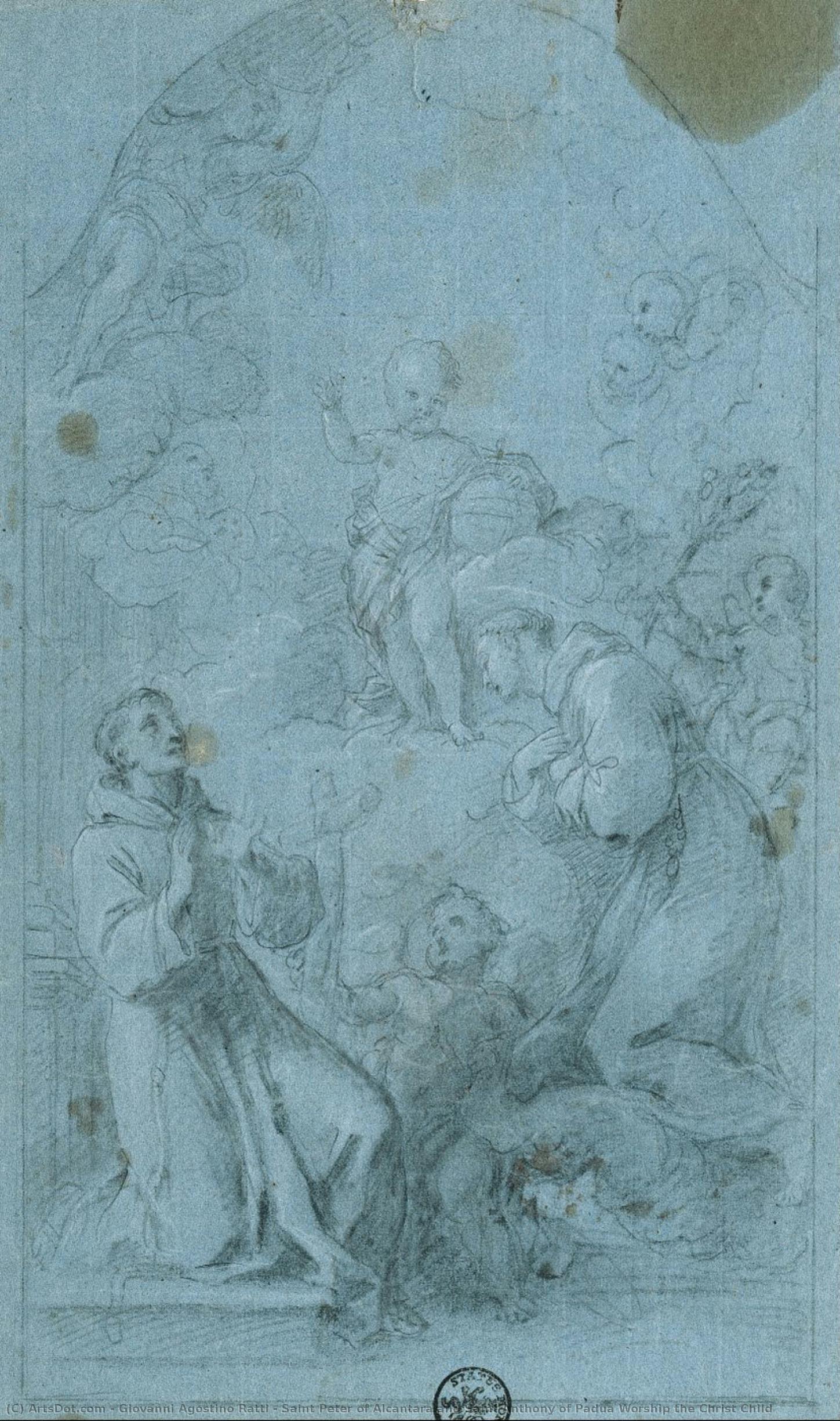
Saint Peter of Alcantara and Saint Anthony of Padua Worship the Christ Child
 Charcoal
- WallArt
- Baroque
 1728
1728- Early Modern
 252.0 x 420.0 cm
 Kunstpalast
 Read More
Purchase a high-resolution, enhanced digital image, far superior to the online preview.
Each file is meticulously prepared by our in-house specialists using advanced tools and expert manual retouching. We ensure every image has exceptional clarity, precise color accuracy, and fine detail.
The final file is delivered via email within 72 hours, optimized for immediate use in professional, editorial, and print environments. This is the same quality trusted by top-tier design studios, publishers, and galleries.
Digital Image
Download a high-resolution file for personal display, printing, and creative projects. ( Buy Print Buy Hand Made Painting)
Included in Every Digital Image Order
Expert Digital Delivery, Guaranteed
When you choose ArtsDot.com, you're not just getting an image - you're receiving a professionally enhanced digital artwork, crafted with precision and backed by a satisfaction guarantee. Here's everything that comes with your order, automatically:

Fast Email Delivery
Your high-resolution digital image file will be emailed to you within 72 hours of ordering - ready for immediate use.

AI-Enhanced Digital File
Your artwork is professionally optimized using advanced AI tools and manual editing, ensuring maximum detail, clarity, and color accuracy.

Free Lifetime Re-Delivery
Accidentally deleted or lost your file? No worries - we'll resend it to you anytime, free of charge.

No Import Fees - Ever
Enjoy your artwork instantly with zero customs, duties, or delivery fees - digital downloads are always tax-free.

Color Accuracy Guarantee
We ensure your digital image reflects the original colors as closely as possible using professional tools and color management.

100-Day Satisfaction Guarantee
If you're not satisfied with your digital image, we'll revise it or refund 100% within 100 days - no questions asked.

100% Money-Back Guarantee
Not satisfied? Get a full refund within 100 days of receiving your digital file - no questions asked.

Bulk Order Discounts
Buy 3 images, save 10% - Buy 5, save 15% - Buy 10+, save 20%. Great for creative projects, galleries, and agencies.
A Vision of Devotion: The Ethereal Charms of Ratti’s Charcoal Masterpiece
In the quiet, shadowed realms of 18th-century religious art, few works capture the raw, unadorned essence of piety quite like Giovanni Agostino Ratti’s "Saint Peter of Alcantara and Saint Anthony of Padua Worship the Christ Child." Created in 1728, this breathtaking charcoal drawing serves as a profound window into a moment of celestial encounter. The composition is anchored by an arched architectural element that frames a scene of deep spiritual intimacy, where the earthly and the divine converge. Through the masterful use of light and shadow, Ratti invites the viewer to witness not just a historical depiction of saints, but a living, breathing act of adoration that transcends time.
The technique employed in this work is nothing short of evocative. Utilizing the delicate yet powerful medium of charcoal on paper, Ratti utilizes a dry-brush approach that lends the piece an almost tactile quality. The lines are loose and gestural, characteristic of a preparatory study or a highly expressive Mannerist influence, where the focus shifts from rigid anatomical precision to the emotional weight of the figures. One can see the artist's hand in the varying pressures of the charcoal—from soft, smudged shadows that create a sense of atmospheric depth to sharp, dark hatching that defines the flowing drapery and the rugged textures of the monastic robes. This interplay of light and dark creates a diffused, heavenly glow that seems to emanate from within the paper itself.
Symbolism and the Language of Grace
Every stroke in this monochromatic composition is imbued with symbolic significance. The central figures—the revered Saint Peter of Alictara and Saint Anthony of Padua—are captured in gestures of profound reverence, their bodies leaning toward the Christ Child in a display of humble worship. The presence of an angel, marked by a subtle halo, acts as a bridge between the mortal and the divine, guiding the viewer's eye through the verticality of the piece. The organic, flowing shapes of the drapery do more than just clothe the figures; they represent the fluid, overwhelming nature of spiritual ecstasy. Even in its unfinished, sketch-like quality, the artwork communicates a sense of movement and breath, as if the very air around the saints is thick with the presence of the holy.
For the discerning collector or interior designer, this piece offers an unparalleled opportunity to introduce a sense of historical gravity and contemplative calm into a space. The monochromatic palette ensures that the artwork possesses a timeless versatility, allowing it to anchor a room with its dramatic shadows while complementing both classical and contemporary settings. To possess a reproduction of such a work is to bring a fragment of 1728 into the modern era—a piece that does not merely decorate a wall, but invites a moment of stillness, reflection, and awe.
Related Artworks
Artist Biography
Jean-Baptiste-Simeon Chardin: A Master of Quiet Observation
Jean-Baptiste-Simeon Chardin, a name synonymous with understated elegance and profound realism, remains one of the most beloved figures in French art. Born in the heart of Paris’s Saint-Germain-des-Prés district in 1699, his life was a testament to the power of dedication and a quiet rebellion against familial expectations. Initially destined for his father's cabinetmaking workshop – a profession steeped in tradition – Chardin’s true passion lay within the realm of art, a pursuit he fiercely championed despite considerable resistance. This early conflict shaped his artistic vision, imbuing his work with a unique sensitivity to the ordinary and a profound appreciation for the subtle beauty found in everyday life.
Chardin's training was somewhat unconventional, lacking the formal structure typically associated with aspiring artists of the era. He initially apprenticed under Pierre-Jacques Cazes, a history painter, followed by Noël-Nicolas Coypel, another influential figure in Parisian art circles. However, it was through his connection to Nicolas de Largillière, a master known for his portraits and whose discerning eye recognized Chardin’s exceptional talent, that he truly began to establish himself within the artistic community. Largillière's patronage proved pivotal, granting Chardin entry into the Royal Academy of Painting in 1724 – a significant achievement that marked the beginning of his professional career.
The Language of Still Life and Genre
Chardin’s artistic legacy rests primarily on two distinct yet interconnected genres: still life and genre painting. He is celebrated for his intimate and remarkably realistic depictions of inanimate objects—buffets laden with food, skateboards resting on tables, musical instruments, and everyday utensils. These seemingly simple subjects are rendered with an extraordinary level of detail, capturing not just their physical appearance but also the play of light and shadow, the texture of surfaces, and the inherent dignity of each object. His still lifes transcend mere representation; they evoke a sense of quiet contemplation and invite viewers to appreciate the beauty in the mundane.
Simultaneously, Chardin excelled at genre scenes—paintings that captured moments from ordinary domestic life. These works often feature small groups of figures engaged in simple activities: a woman sealing a letter, children playing, or a family gathered around a table. Unlike the grand narratives and dramatic compositions favored by many of his contemporaries, Chardin’s genre paintings are characterized by their restraint, intimacy, and lack of sentimentality. He eschewed theatricality, focusing instead on capturing the quiet dignity and inherent humanity of his subjects. His ability to convey emotion through subtle gestures and expressions is a hallmark of his genius.
Influences and Artistic Style
Chardin’s artistic style was profoundly influenced by several sources. The Dutch masters—particularly their meticulous attention to detail, masterful use of light, and focus on everyday subjects—served as a crucial model. He also drew inspiration from the Flemish painters, known for their luminous color palettes and ability to create a sense of depth and atmosphere. However, Chardin’s work is distinctively French, characterized by its refined elegance, understated emotion, and remarkable sensitivity to texture and form.
A key element of Chardin's technique was his deliberate slowness and meticulousness in the painting process. He often worked on multiple versions of a single composition, refining each iteration with painstaking care. This dedication to detail is evident in every brushstroke, contributing to the remarkable realism and depth of his paintings. Furthermore, Chardin’s masterful manipulation of light—a technique he learned from observing Dutch masters—is central to his aesthetic. He used subtle gradations of tone to create a sense of volume and atmosphere, transforming ordinary scenes into moments of quiet beauty.
A Legacy of Quiet Dignity
Jean-Baptiste-Simeon Chardin’s career spanned nearly five decades, during which he established himself as one of the most respected and admired artists in France. He held various positions within the Royal Academy, including treasurer for almost twenty years, a testament to his integrity and influence. Despite personal tragedies—the loss of his wife and children—he continued to create works that reflected his unwavering commitment to his art.
Chardin’s impact on subsequent generations of artists is undeniable. His emphasis on realism, his sensitivity to light and texture, and his ability to capture the essence of ordinary life paved the way for Impressionism and other modern artistic movements. Today, Chardin's paintings are celebrated for their quiet dignity, profound beauty, and enduring appeal. They offer a timeless reminder that art can be found not only in grand gestures but also in the simple moments of everyday existence—a lesson that continues to resonate with viewers centuries after his death in 1779.
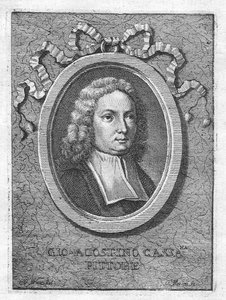
giovanni agostino ratti
1699 - 1755 , Italy
Quick Facts
- Artistic Movement Or Style: Still life, genre
- Artists Or Movements Influenced By This Artist: ['Impressionism']
- Artists Who Influenced This Artist:
- Dutch masters
- Noël-Nicolas Coypel
- Date Of Birth: November 2, 1699
- Date Of Death: December 6, 1779
- Full Name: Jean-Baptiste-Simeon Chardin
- Nationality: French
- Notable Artworks:
- The Skate
- The Buffet
- Woman Sealing a Letter
- Saying Grace
- Young Man Drawing
- Child with Top
- Lady with a Bird-Organ
- Place Of Birth: Paris, France