

 Preview
 Send
Send Share
Share
 Details

 Download
 Similars
 X-Ray
X-Ray Diaporama
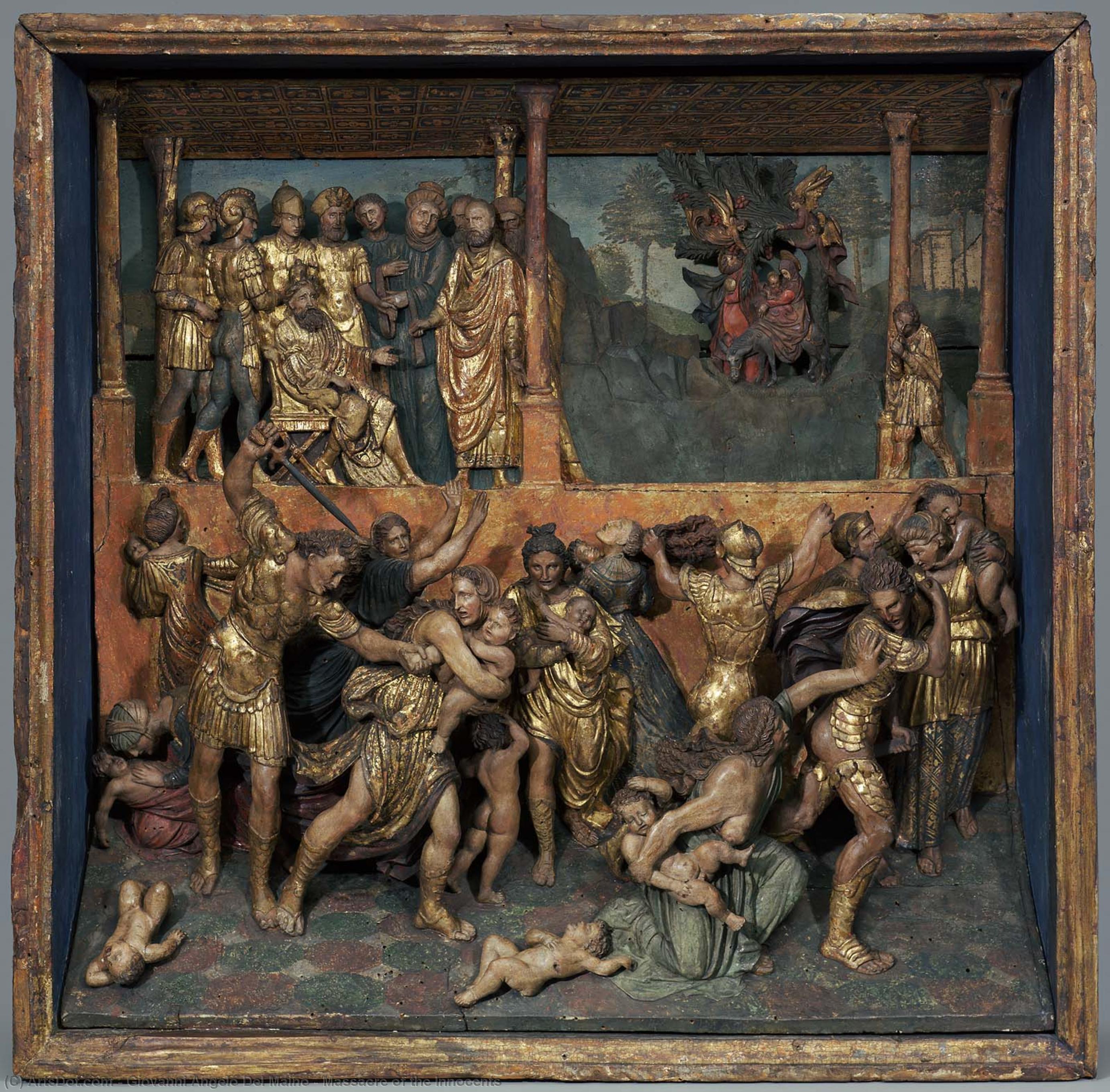
Massacre of the Innocents
 Oil On Canvas
- WallArt
- Baroque
 1520
1520- Renaissance
 64.0 x 64.0 cm
 Museum of Fine Arts
 Read More
Purchase a high-resolution, enhanced digital image, far superior to the online preview.
Each file is meticulously prepared by our in-house specialists using advanced tools and expert manual retouching. We ensure every image has exceptional clarity, precise color accuracy, and fine detail.
The final file is delivered via email within 72 hours, optimized for immediate use in professional, editorial, and print environments. This is the same quality trusted by top-tier design studios, publishers, and galleries.
Digital Image
Download a high-resolution file for personal display, printing, and creative projects. ( Buy Print Buy Hand Made Painting)
Included in Every Digital Image Order
Expert Digital Delivery, Guaranteed
When you choose ArtsDot.com, you're not just getting an image - you're receiving a professionally enhanced digital artwork, crafted with precision and backed by a satisfaction guarantee. Here's everything that comes with your order, automatically:

Fast Email Delivery
Your high-resolution digital image file will be emailed to you within 72 hours of ordering - ready for immediate use.

AI-Enhanced Digital File
Your artwork is professionally optimized using advanced AI tools and manual editing, ensuring maximum detail, clarity, and color accuracy.

Free Lifetime Re-Delivery
Accidentally deleted or lost your file? No worries - we'll resend it to you anytime, free of charge.

No Import Fees - Ever
Enjoy your artwork instantly with zero customs, duties, or delivery fees - digital downloads are always tax-free.

Color Accuracy Guarantee
We ensure your digital image reflects the original colors as closely as possible using professional tools and color management.

60-Day Satisfaction Guarantee
If you're not satisfied with your digital image, we'll revise it or refund 100% within 60 days - no questions asked.

100% Money-Back Guarantee
Not satisfied? Get a full refund within 60 days of receiving your digital file - no questions asked.

Bulk Order Discounts
Buy 3 images, save 10% - Buy 5, save 15% - Buy 10+, save 20%. Great for creative projects, galleries, and agencies.
Collectible Description
A Descent into Tragedy: The Massacre of the Innocents
To stand before Giovanni Angelo del Maino's depiction of the Massacre of the Innocents is to confront history’s darkest narrative rendered in pigment and shadow. This painting is not merely a recounting of a biblical event; it is a visceral plunge into human brutality, a masterful composition that forces the viewer into the agonizing proximity of its tragedy. The scene unfolds with devastating clarity: a tableau vivant surrounding a vulnerable infant lying upon the cold ground. Del Maino has captured that terrible moment when divine narrative collides violently with earthly cruelty.
Mastery in Renaissance Drama
Giovanni Angelo del Maino, working during the vibrant crucible of the early 16th century, channels the dramatic energy characteristic of the High Renaissance while retaining a regional Lombard flair. His technique here is breathtakingly emotive. Observe the interplay between the figures—the adults, some armed with swords and knives, their postures conveying a mixture of grim duty and panicked action. The inclusion of specific elements, such as the horse positioned to the left or the architectural anchors like the chair and bench, grounds this supernatural horror in a tangible, believable space. This careful staging elevates the work beyond mere illustration; it becomes a profound study in human reaction under extreme duress.
Symbolism and Emotional Resonance
The symbolism woven throughout this canvas is thick with pathos. The innocent baby at the center acts as the ultimate focal point, representing purity violated by overwhelming force. Every gesture—the outstretched arm, the averted gaze, the glint of metal—is charged with symbolic weight. Del Maino compels us to feel the tension between protection and violence. It speaks to universal themes: the fragility of life, the cost of dogma, and the enduring struggle for innocence against encroaching darkness. For the collector or designer, this piece offers not just decoration, but a deep, contemplative anchor for any space.
A Statement Piece for Contemplative Spaces
Reproducing such an intense work requires sensitivity to its original power. This painting, with its rich narrative depth and dramatic composition, is ideally suited for drawing-room settings, libraries, or private chapels where contemplation is encouraged. Owning a high-quality reproduction allows one to integrate this monumental piece of art history into modern decor without sacrificing the gravitas of Del Maino’s vision. It serves as an immediate conversation starter, inviting intimate discussions about faith, humanity, and the enduring power of artistic storytelling.
Related Artworks


![Scenes From The Passion Of Christ: The Crucifixion [middle Panel] — Andrea Di Vanni D'andrea](/media/artworks/images-thumb/ce/e7/cee771fe9e20855b080719236a5b12e6.jpg)
Artist Biography
A Life Shaped by Wood and Faith: The Story of Giovanni Angelo del Maino
Giovanni Angelo del Maino (c. 1475 – date of death unknown, likely Pavia) stands as a pivotal figure in the artistic landscape of late 15th and early 16th century Lombardy. More than just a sculptor, he was a craftsman deeply rooted in tradition yet capable of injecting dramatic emotion and sophisticated composition into his works. Born into a family dynasty of woodcarvers – his father, Giacomo del Maino, headed one of Milan’s most prestigious workshops – Giovanni inherited not only technical skill but also an established legacy demanding both innovation and respect for established forms. His career unfolded primarily in Pavia and the Duchy of Milan, leaving behind a body of work that reflects the evolving artistic currents of the Renaissance while retaining a distinctly regional character.
Del Maino’s early training was undoubtedly within his father's workshop. This provided him with an invaluable foundation in the techniques of wood carving – particularly the intricate detailing required for choir stalls, architectural elements, and religious sculpture. However, he quickly distinguished himself as a sculptor capable of independent vision. His artistic development coincided with a period of significant change in Italian art, marked by the influence of artists like Donatello and Botticelli, who were pushing the boundaries of realism and emotional expression. Del Maino absorbed these influences, adapting them to his own regional context and developing a unique style characterized by dramatic poses, expressive faces, and a masterful use of light and shadow.
The Dramatic Narrative of ‘The Massacre of the Innocents’
Among Del Maino's most celebrated works is his depiction of 'The Massacre of the Innocents,' a scene brimming with pathos and violence. Executed around 1520, this sculpture exemplifies his ability to convey profound emotional depth through carefully sculpted figures. The composition—a chaotic tableau of grieving mothers and infants amidst the carnage—is both unsettling and deeply moving. Del Maino doesn’t simply depict the event; he embodies its horror and sorrow. Note the meticulous detail in the faces of the women, each expressing a unique blend of anguish and despair. The positioning of the figures, particularly the outstretched arms and contorted bodies, creates a powerful sense of immediacy and invites viewers to confront the brutality of the scene.
The sculpture’s impact was significant, demonstrating Del Maino's ability to translate complex religious narratives into emotionally resonant forms. It is believed that this work was commissioned for the church of San Giovanni Battista in Pavia, a testament to its importance within the artist’s oeuvre. The piece showcases his mastery of wood carving and his understanding of human anatomy, combined with an exceptional talent for conveying emotion.
Religious Scenes and the Compianto
Beyond ‘The Massacre of the Innocents,’ Del Maino produced a significant body of religious sculpture, often centered around the theme of the *Compianto*, or Lamentation over the Dead Christ. These works—including depictions of Mary Magdalene in sorrowful contemplation and Nicodemus mourning the fallen Savior—are characterized by their intense emotionalism and dramatic realism. His depiction of Mary Magdalene, for example, is particularly striking; she embodies a profound sense of grief, her face etched with anguish and despair. The artist’s use of light and shadow further enhances the scene's emotional impact, creating a palpable atmosphere of sorrow.
These *Compianto* scenes demonstrate Del Maino’s ability to capture the essence of religious devotion through meticulously crafted figures. His works were frequently commissioned for churches throughout Lombardy, including the Cathedral of Como and various confraternity chapels. These commissions reflect his growing reputation as a skilled and respected artist.
Influence and Legacy
Giovanni Angelo del Maino’s legacy extends beyond his individual works. He played a crucial role in transmitting artistic traditions from the late Gothic period to the early Renaissance, adapting established forms while simultaneously introducing new elements of realism and emotional expression. His work influenced subsequent generations of Lombard sculptors, contributing to the region's rich artistic heritage. His connection to the workshop of Giacomo del Maino ensured that he was exposed to a high level of craftsmanship and artistic training, providing him with a solid foundation for his own creative endeavors.
Despite the lack of definitive information regarding his death date, Del Maino’s impact on Lombard Renaissance art remains undeniable. His sculptures continue to resonate with viewers today, offering a poignant glimpse into the religious beliefs and emotional sensibilities of a bygone era. His work serves as a testament to the enduring power of wood carving and the ability of art to evoke profound emotions.
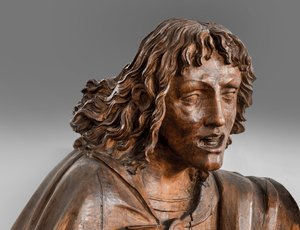
giovanni angelo del maino
1475 - 1536 , Italy
Quick Facts
- Artistic Movement Or Style: Renaissance (Lombard)
- Artists Or Movements Influenced By This Artist: ['Renaissance art']
- Artists Who Influenced This Artist: ['Donatello']
- Date Of Birth: c. 1475, Pavia
- Date Of Death: c. 1536
- Full Name: Giovanni Angelo del Maino
- Nationality: Italian
- Notable Artworks:
- Massacre of the Innocents
- Compianto Christ
- Nicodemus
- Place Of Birth: Milan, Italy

