

 Preview
 Send
Send Share
Share
 Details

 Download
 Similars
 X-Ray
X-Ray Diaporama
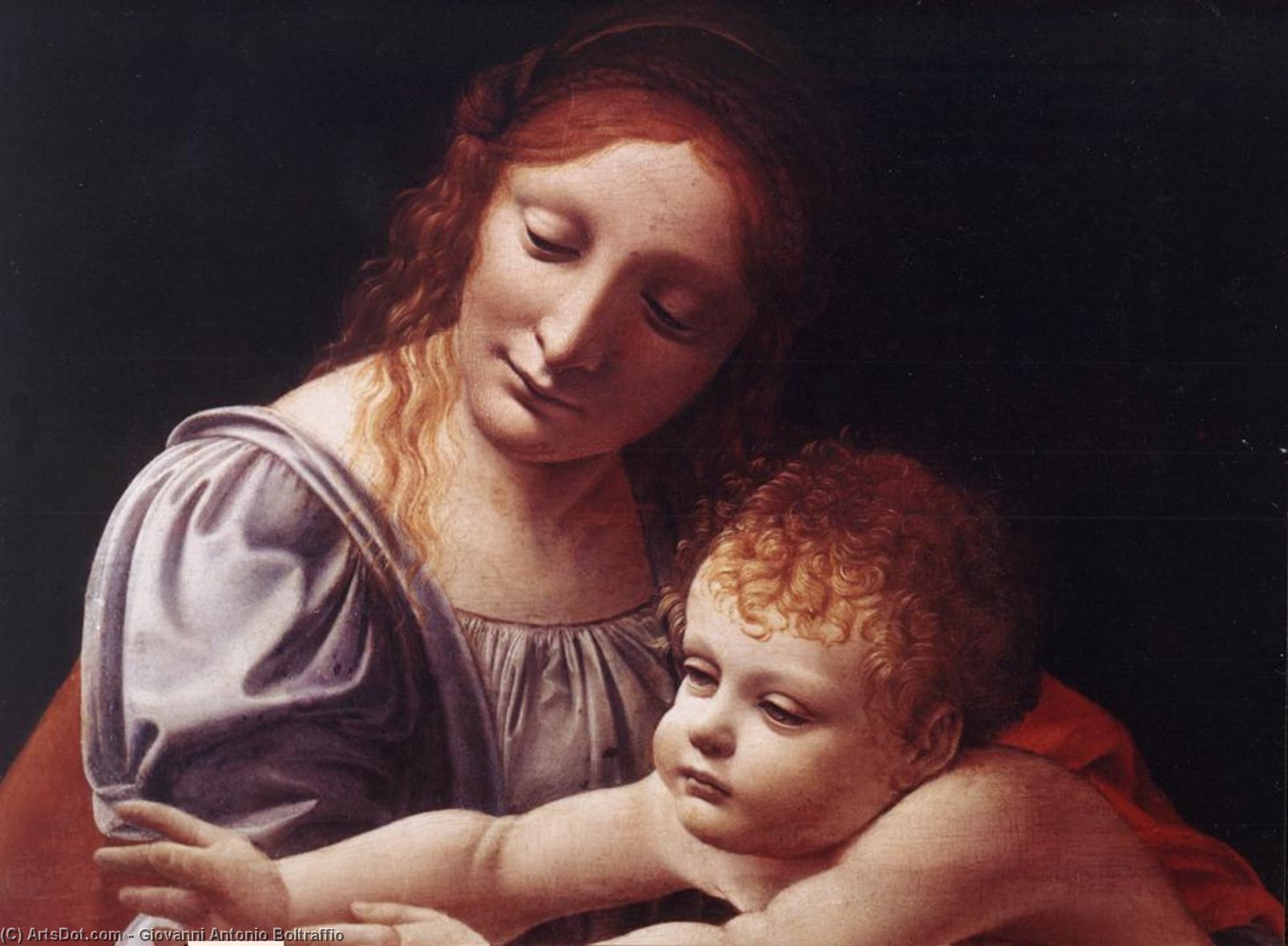
The Virgin and Child (detail)


 Read More
Purchase a high-resolution, enhanced digital image, far superior to the online preview.
Each file is meticulously prepared by our in-house specialists using advanced tools and expert manual retouching. We ensure every image has exceptional clarity, precise color accuracy, and fine detail.
The final file is delivered via email within 72 hours, optimized for immediate use in professional, editorial, and print environments. This is the same quality trusted by top-tier design studios, publishers, and galleries.
Digital Image
Download a high-resolution file for personal display, printing, and creative projects. ( Buy Print Buy Hand Made Painting)
Included in Every Digital Image Order
Expert Digital Delivery, Guaranteed
When you choose ArtsDot.com, you're not just getting an image - you're receiving a professionally enhanced digital artwork, crafted with precision and backed by a satisfaction guarantee. Here's everything that comes with your order, automatically:

Fast Email Delivery
Your high-resolution digital image file will be emailed to you within 72 hours of ordering - ready for immediate use.

AI-Enhanced Digital File
Your artwork is professionally optimized using advanced AI tools and manual editing, ensuring maximum detail, clarity, and color accuracy.

Free Lifetime Re-Delivery
Accidentally deleted or lost your file? No worries - we'll resend it to you anytime, free of charge.

No Import Fees - Ever
Enjoy your artwork instantly with zero customs, duties, or delivery fees - digital downloads are always tax-free.

Color Accuracy Guarantee
We ensure your digital image reflects the original colors as closely as possible using professional tools and color management.

60-Day Satisfaction Guarantee
If you're not satisfied with your digital image, we'll revise it or refund 100% within 60 days - no questions asked.

100% Money-Back Guarantee
Not satisfied? Get a full refund within 60 days of receiving your digital file - no questions asked.

Bulk Order Discounts
Buy 3 images, save 10% - Buy 5, save 15% - Buy 10+, save 20%. Great for creative projects, galleries, and agencies.
Giovanni Antonio Boltraffio: A Silent Collaborator Shaping Renaissance Beauty
Giovanni Antonio Boltraffio’s name might not resonate as loudly as Leonardo da Vinci's, yet his influence on the High Renaissance is undeniable. Serving as Leonardo’s devoted assistant for nearly four decades, Boltraffio wasn’t merely a craftsman; he was an intellectual sponge absorbing the maestro’s groundbreaking innovations and translating them into breathtaking artistic achievements. This symbiotic relationship resulted in a distinctive style – one that embodies both Leonardo's revolutionary spirit and the burgeoning aesthetic sensibilities of Milanese art circles.- Early Life & Training: Boltraffio’s origins remain somewhat elusive, though scholarly consensus suggests he descended from an aristocratic family within Lombardy. This lineage undoubtedly provided him with privileged access to formative artistic education, establishing a bedrock upon which his prodigious talent would flourish.
- Leonardo's Studio – A Crucible of Innovation: Boltraffio’s tenure in Leonardo’s workshop was pivotal. He witnessed firsthand the development of techniques like sfumato—the subtle blending of light and shadow—a revolutionary approach that fundamentally altered painting practice. Observing Leonardo wrestle with complex compositional challenges instilled a meticulous attention to detail and an unwavering commitment to capturing nuanced emotional expressions.
- Boltraffio’s Artistic Voice: While Boltraffio rarely worked independently, his output speaks for itself. His paintings demonstrate a masterful command of color palettes and brushwork—characteristics distinctly rooted in Leonardo's influence. He achieved remarkable realism, particularly evident in portraits and religious scenes, capturing the psychological depth that would become synonymous with Renaissance art.
The Virgin and Child (Detail): A Study in Serenity and Symbolism
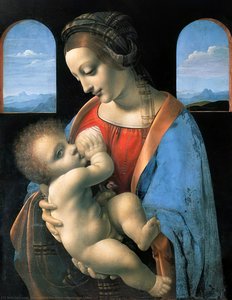
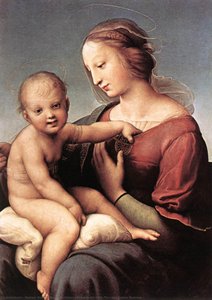
Consider Boltraffio’s “Virgin and Child,” completed in 1493 – a piece that exemplifies the artistic ideals of its time. This exquisite oil painting, housed at The Hermitage Museum, offers a captivating glimpse into Leonardo's studio’s aesthetic trajectory. The meticulous depiction of Mary cradling Jesus showcases Boltraffio’s dedication to capturing idealized beauty and conveying profound spiritual contemplation.- Composition & Technique: Executed on panel with remarkable precision, the painting utilizes sfumato—Leonardo’s signature technique—to create a hazy luminescence that softens contours and imbues the scene with an ethereal quality. Boltraffio skillfully employs chiaroscuro – dramatic contrasts between light and dark – to sculpt Mary's form and highlight Jesus’ radiant visage.
- Symbolic Significance: The colors chosen are laden with symbolic meaning. Mary’s gown in deep blue represents purity and piety, while Jesus’ crimson robe symbolizes sacrifice—a cornerstone of Christian iconography. These hues resonate powerfully within the viewer’s consciousness, reinforcing the painting's solemn atmosphere.
- Emotional Impact: Boltraffio’s portrayal captures a moment of tender intimacy between mother and child – an image that speaks to universal themes of compassion, faith, and divine grace. The serene expressions on Mary’s face and Jesus’ gaze invite viewers into a realm of quiet contemplation, fostering a connection with the timeless beauty of Renaissance art.
Boltraffio's Legacy: Bridging Leonardo's Vision
Giovanni Antonio Boltraffio’s contribution to the artistic landscape extends far beyond individual masterpieces. He served as a crucial conduit for Leonardo’s ideas, ensuring their dissemination throughout Milanese art circles and shaping the stylistic conventions of his era. By studying Boltraffio’s work—particularly “The Virgin and Child”—one gains invaluable insight into the creative process behind Leonardo's most celebrated achievements and appreciates the enduring power of collaborative artistry in achieving artistic excellence.Related Artworks
Artist Biography
Giovanni Antonio Boltraffio: A Shadow in the Studio of Leonardo
Giovanni Antonio Boltraffio, born around 1467 in the fertile artistic landscape of Lombardy, remains one of the most captivating figures of the High Renaissance. While history often casts him as a secondary figure, he was far more than a mere follower; he was a vital conduit through which the revolutionary innovations of Leonardo da Vinci were transmitted and refined. Growing up in a region steeped in tradition, Boltraftio’s early life likely benefited from an aristocratic Milanese upbringing, providing him with the foundational training necessary to enter the most prestigious workshop of his era. Around 1490, he began his profound association with Leonardo, a partnership that would span nearly four decades and define the trajectory of his creative soul.
To study Boltraffio is to witness a masterclass in artistic absorption. Within the walls of Leonardo’s studio, Boltraffio did not simply mimic; he interpreted. He breathed in the sfumato technique—that smoky, seamless transition between light and shadow—and applied it with a unique sense of clarity and structural precision. While Leonardo often pursued the ethereal and the scientifically enigmatic, Boltraffio brought a certain austerity and refined elegance to his subjects. His work possesses a crystalline quality that, while deeply indebted to his master’s atmospheric genius, maintains a distinctively Lombard character characterized by sharp detail and a serene, almost sculptural presence.
The Mastery of Portraiture and Devotional Grace
The true brilliance of Boltraffio lies in his ability to capture the quiet dignity of the human spirit. His portraits are renowned for their enigmatic beauty, often featuring subjects that seem caught in a moment of profound introspection. In works such as Portrait of a Young Woman, one can sense the lingering influence of Leonardo’s psychological depth, yet there is an unmistakable Boltraffio touch—a meticulous rendering of textures and a focused, luminous gaze that commands the viewer's attention. He had a remarkable gift for translating the nobility of his sitters into paint, creating images that feel both timeless and intimately human.
Beyond the secular realm, Boltraffio’s devotion to religious iconography allowed him to explore the heights of Renaissance symbolism. His depictions of the Madonna and Child serve as quintessential examples of his technical prowess and spiritual sensitivity. In these sacred compositions, he utilized color not merely for aesthetic beauty but as a profound theological language:
- Blue was employed to represent the purity and celestial nature of the Virgin Mary.
- Red served as a poignant symbol of the sacrifice and passion inherent in the Christ child's destiny.
Through these deliberate choices, Boltraffio transformed panels of wood into windows of divine contemplation, blending the physical reality of the Renaissance world with the spiritual aspirations of the era.
Legacy and Historical Significance
Though Boltraffio eventually moved away from the direct shadow of Leonardo to establish his own presence, his historical significance cannot be overstated. He acted as a crucial bridge between the experimental fervor of the early High Renaissance and the more structured, classical developments that followed in Northern Italy. His ability to synthesize Leonardo’s complex innovations with a more accessible, clear-eyed realism helped shape the aesthetic preferences of the Milanese school for generations.
Today, his surviving works, housed in prestigious institutions such as The Hermitage Museum and various collections in Berlin and Milan, continue to enchant art historians and enthusiasts alike. He remains a testament to the power of the collaborative studio environment—a reminder that greatness is often nurtured in the quiet, dedicated work of those who stand beside masters, refining a vision until it becomes something entirely their own.
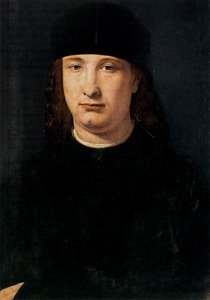
Giovanni Antonio Boltraffio
1467 - 1516 , Italy
Quick Facts
- Artistic Movement Or Style: Northern Renaissance
- Artists Or Movements Influenced By This Artist: ['Italian Renaissance']
- Artists Who Influenced This Artist: ['Leonardo da Vinci']
- Date Of Birth: May 21, 1471
- Date Of Death: April 6, 1528
- Full Name: Albrecht Dürer
- Nationality: German
- Notable Artworks:
- Melancholia I
- Praying Hands
- Knight, Death and the Devil
- Place Of Birth: Nuremberg, Germany

