

 Preview
 Send
Send Share
Share
 Details

 Download
 Similars
 X-Ray
X-Ray Diaporama
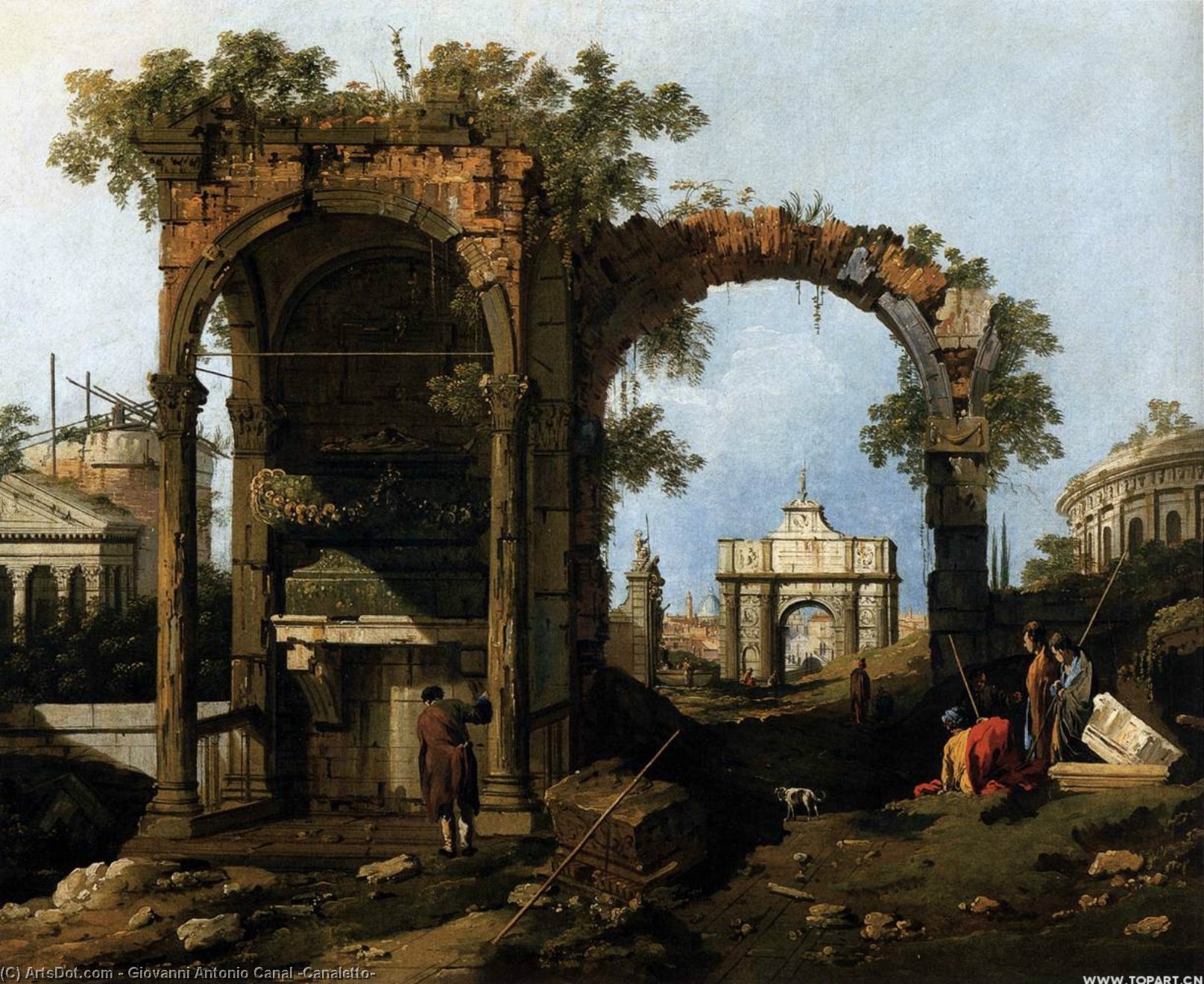
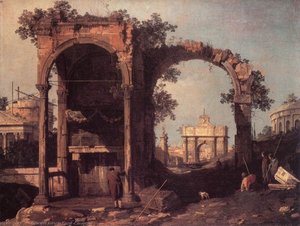
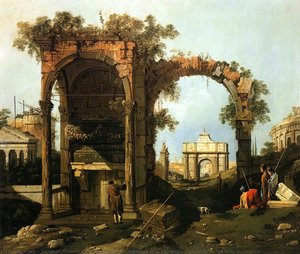
Capriccio with Classical Ruins and Buildings
 Oil On Canvas
- WallArt
- Rococo
 1750
1750 62.0 x 74.0 cm
 Gallerie dell'Accademia
 Read More
Purchase a high-resolution, enhanced digital image, far superior to the online preview.
Each file is meticulously prepared by our in-house specialists using advanced tools and expert manual retouching. We ensure every image has exceptional clarity, precise color accuracy, and fine detail.
The final file is delivered via email within 72 hours, optimized for immediate use in professional, editorial, and print environments. This is the same quality trusted by top-tier design studios, publishers, and galleries.
Digital Image
Download a high-resolution file for personal display, printing, and creative projects. ( Buy Print Buy Hand Made Painting)
Included in Every Digital Image Order
Expert Digital Delivery, Guaranteed
When you choose ArtsDot.com, you're not just getting an image - you're receiving a professionally enhanced digital artwork, crafted with precision and backed by a satisfaction guarantee. Here's everything that comes with your order, automatically:

Fast Email Delivery
Your high-resolution digital image file will be emailed to you within 72 hours of ordering - ready for immediate use.

AI-Enhanced Digital File
Your artwork is professionally optimized using advanced AI tools and manual editing, ensuring maximum detail, clarity, and color accuracy.

Free Lifetime Re-Delivery
Accidentally deleted or lost your file? No worries - we'll resend it to you anytime, free of charge.

No Import Fees - Ever
Enjoy your artwork instantly with zero customs, duties, or delivery fees - digital downloads are always tax-free.

Color Accuracy Guarantee
We ensure your digital image reflects the original colors as closely as possible using professional tools and color management.

60-Day Satisfaction Guarantee
If you're not satisfied with your digital image, we'll revise it or refund 100% within 60 days - no questions asked.

100% Money-Back Guarantee
Not satisfied? Get a full refund within 60 days of receiving your digital file - no questions asked.

Bulk Order Discounts
Buy 3 images, save 10% - Buy 5, save 15% - Buy 10+, save 20%. Great for creative projects, galleries, and agencies.
Collectible Description
A Moment Frozen in Time: Canaletto’s Capriccio
Giovanni Antonio Canal, better known as Canaletto, possessed a singular gift – the ability to capture not just the appearance of Venice, but its very soul. His “Capriccio with Classical Ruins and Buildings,” painted around 1750, is a prime example of this talent, offering a mesmerizing glimpse into a world where reality subtly blends with fantasy. More than simply a landscape, it’s an architectural daydream, a carefully constructed illusion that invites the viewer to step into a timeless Venetian scene.
The painting immediately draws the eye with its layered composition and masterful use of atmospheric perspective. Canaletto, working largely from memory and sketches, doesn't aim for photographic accuracy; instead, he employs a technique honed through years of observing the city’s intricate waterways and grand buildings. The muted palette – dominated by ochres, browns, and greys – creates a sense of hazy distance, while strategically placed highlights draw attention to key elements within the scene. This isn't merely a depiction of Venice; it’s an evocation of its mood, its history, and its enduring beauty.
The Roots of Capriccio: Fantasy and Architectural Echoes
Canaletto’s “Capriccio” belongs to a distinct artistic genre known as the *capriccio*. Emerging in the 17th century, this style moved beyond straightforward topographical representations. It embraced a more imaginative approach, often juxtaposing disparate architectural elements – ancient ruins, fantastical structures, and even figures – within a single composition. The term itself, derived from the Italian word for “caprice” or whim, perfectly encapsulates this spirit of playful invention.
- Historical Context: The *capriccio* style flourished in Rome, where artists like Giovanni Paolo Pannini were experimenting with re-imagining classical ruins and creating fantastical cityscapes. Canaletto’s work reflects this influence, drawing upon the rich architectural heritage of both Venice and Rome.
- Influence of Stage Design: Canaletto's early career as a set designer for Venetian opera provided him with invaluable experience in constructing illusionistic spaces – skills that directly informed his *capriccio* paintings.
A Symphony of Detail and Symbolism
Upon closer inspection, the painting reveals a wealth of subtle details and symbolic elements. The crumbling ruins, reminiscent of ancient Roman temples and Greek theaters, speak to the city’s layered history and its connection to classical antiquity. The figures scattered throughout the scene – merchants, guards, children playing – add a sense of life and movement, grounding the fantastical architecture in a recognizable reality.
Notably, the inclusion of a lone figure sketching within the composition is often interpreted as a self-portrait of Canaletto himself, capturing his own creative process and his deep appreciation for the city he so meticulously documented.The Emotional Resonance of a Venetian Dream
“Capriccio with Classical Ruins and Buildings” isn’t simply a beautiful painting; it's an invitation to lose oneself in a world of elegant decay and timeless beauty. It evokes a sense of nostalgia for a bygone era, while simultaneously celebrating the enduring spirit of Venice. The painting’s hazy atmosphere and carefully orchestrated composition create a feeling of serene contemplation, inviting viewers to reflect on the passage of time and the power of artistic imagination.
Reproductions of this captivating work capture much of its original charm, offering a window into Canaletto's extraordinary vision and providing a stunning addition to any interior space. It’s a piece that speaks volumes about the artist’s skill, his understanding of Venice, and his ability to transport viewers to another world.
Related Artworks
Artist Biography
early life and training
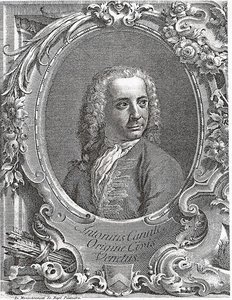
giovanni antonio canal, commonly known as canaletto, was born on october 18, 1697, in venice, italy. he was the son of bernardo canal, a painter of theatrical scene settings, and artemisia barbieri. canaletto's early training in painting began with his father, who taught him the fundamentals of art.
the making of a master
in 1718, canaletto traveled to rome, where he worked on producing scenery for two operas by alessandro scarlatti. this experience had a profound impact on his development as an artist. upon returning to venice, canaletto began painting in his signature topographical style, which would eventually make him famous.
notable works and collaborations
some of canaletto's most notable works include:
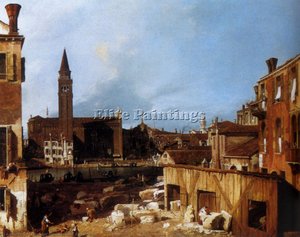
- the stonemason's yard (c. 1725), a masterpiece showcasing his early skill.
- regatta on the grand canal, a vivid depiction of venetian public ceremonies.
- eton college (1746-1756), a testament to his influence in england. collaboration with his nephew bellotto, who became an accomplished artist in his own right.
artistic style and technique
canaletto's use of precise perspective and meticulous preparatory drawings has led some experts to believe he may have employed a camera obscura for topographical accuracy. however, his primary concern remained the compositional design, ensuring his works were not merely accurate recordings but also visually stunning.
legacy and collections
canaletto's work can be found in various museums, including the national gallery, london, which showcases his influence on 18th-century art. his legacy extends to the numerous artists he inspired, cementing his place as a master of venetian landscapes.
- view canaletto's works at https://ArtsDot.com/@/giovanni-antonio-canal
- explore more about canaletto on wikipedia
- discover the beauty of venetian art at the palumbo-fossati collection (venice, italy)
key dates
- october 18, 1697: born in venice, italy
- 1718: traveled to rome
- 1725: painted the stonemason's yard
- 1746-1756: visited england, painting notable works like eton college
- april 19, 1768: passed away in venice, italy
remember to explore the world of art at https://ArtsDot.com for more biographies and artworks.
Canaletto
1697 - 1768 , Italy
Quick Facts
- Artistic Movement Or Style: Vedute Venice
- Artists Or Movements Influenced By This Artist: ['Tintoretto']
- Artists Who Influenced This Artist: ['Giovanni Paolo Pannini']
- Date Of Birth: October 18, 1697
- Date Of Death: April 19, 1768
- Full Name: Giovanni Antonio Canal
- Nationality: Italian
- Notable Artworks:
- The Stonemason's Yard
- Regatta on the Grand Canal
- Eton College
- Place Of Birth: Venice, Italy

