

 Preview
 Send
Send Share
Share
 Details

 Download
 Similars
 X-Ray
X-Ray Diaporama
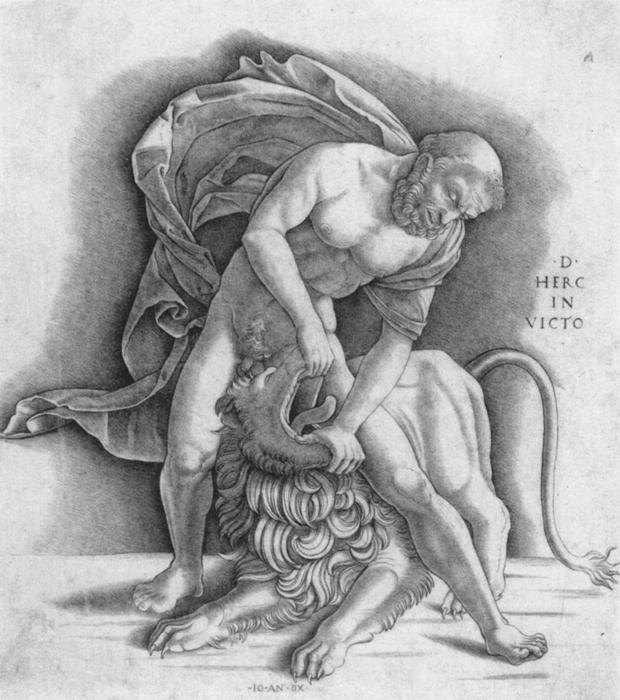
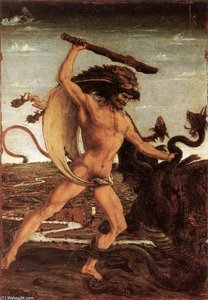
Hercules and the Nemean Lion
 Acrylic On Canvas
- WallArt
- Renaissance Drawing
 257.0 x 234.0 cm
 Graphische Sammlung Albertina
 Read More
Purchase a high-resolution, enhanced digital image, far superior to the online preview.
Each file is meticulously prepared by our in-house specialists using advanced tools and expert manual retouching. We ensure every image has exceptional clarity, precise color accuracy, and fine detail.
The final file is delivered via email within 72 hours, optimized for immediate use in professional, editorial, and print environments. This is the same quality trusted by top-tier design studios, publishers, and galleries.
Digital Image
Download a high-resolution file for personal display, printing, and creative projects. ( Buy Print Buy Hand Made Painting)
Included in Every Digital Image Order
Expert Digital Delivery, Guaranteed
When you choose ArtsDot.com, you're not just getting an image - you're receiving a professionally enhanced digital artwork, crafted with precision and backed by a satisfaction guarantee. Here's everything that comes with your order, automatically:

Fast Email Delivery
Your high-resolution digital image file will be emailed to you within 72 hours of ordering - ready for immediate use.

AI-Enhanced Digital File
Your artwork is professionally optimized using advanced AI tools and manual editing, ensuring maximum detail, clarity, and color accuracy.

Free Lifetime Re-Delivery
Accidentally deleted or lost your file? No worries - we'll resend it to you anytime, free of charge.

No Import Fees - Ever
Enjoy your artwork instantly with zero customs, duties, or delivery fees - digital downloads are always tax-free.

Color Accuracy Guarantee
We ensure your digital image reflects the original colors as closely as possible using professional tools and color management.

60-Day Satisfaction Guarantee
If you're not satisfied with your digital image, we'll revise it or refund 100% within 60 days - no questions asked.

100% Money-Back Guarantee
Not satisfied? Get a full refund within 60 days of receiving your digital file - no questions asked.

Bulk Order Discounts
Buy 3 images, save 10% - Buy 5, save 15% - Buy 10+, save 20%. Great for creative projects, galleries, and agencies.
Collectible Description
Giovanni Antonio da Brescia’s Triumph Over Beast: A Study of Hercules and the Nemean Lion
The engraving by Giovanni Antonio da Brescia, “Hercules Standing Over the Nemean Lion,” transcends mere depiction; it embodies the very essence of Renaissance heroism and artistic mastery. Executed around 1490-1525, this monumental print captures a pivotal moment from Greek mythology – Hercules’s confrontation with the fearsome Nemean Lion, the first of his twelve labors undertaken to atone for grievous sins. More than just illustrating a legend, Brescia's work speaks volumes about humanist ideals and the burgeoning fascination with classical antiquity that characterized the era.Composition and Technique: Mastering Illusion
Brescia’s genius lies in his meticulous observation of form and proportion, achieved through masterful hatching and cross-hatching techniques—a hallmark of Renaissance drawing. The composition centers on Hercules, powerfully rendered against a backdrop of textured fur, conveying an overwhelming sense of struggle and determination. Notice how Brescia skillfully employs overlapping forms to create depth, positioning Hercules slightly closer to the viewer’s eye than the lion itself – a subtle yet effective device that draws us into the drama unfolding before our gaze. The artist's dedication to realism is evident in every line, meticulously crafted to simulate the roughness of skin and fur, demonstrating an unparalleled understanding of chiaroscuro—the interplay between light and shadow—to sculpt form and imbue the scene with palpable emotion.Symbolism: Virtue Versus Instinct
The narrative itself resonates deeply with symbolic significance. Hercules represents human virtue battling against primal instinct – a timeless struggle that speaks to fundamental human anxieties about overcoming obstacles and achieving moral righteousness. The Nemean Lion embodies untamed savagery, symbolizing the forces of chaos and barbarity that threaten civilized order. Brescia’s depiction isn't merely aesthetically pleasing; it’s a visual meditation on the triumph of intellect and willpower over brute force, reflecting the humanist conviction that human reason could conquer even the most formidable adversaries. The lion’s open jaws serve as a potent reminder of Hercules’s victory – a symbol of subjugation and dominance achieved through courage and perseverance.Historical Context: Renaissance Reverberations
This engraving emerged during a period of fervent revival of classical art and literature in Europe—the Early Renaissance. Artists like Brescia were profoundly influenced by the ideals of antiquity, striving to emulate the grandeur and precision of Greek sculpture and painting. Mantegna’s earlier drawings served as inspiration for Brescia's printmaking process, highlighting the interconnectedness of artistic traditions and demonstrating how artists drew upon classical precedents to express humanist values. The engraving’s popularity testifies to the enduring appeal of mythological narratives and their ability to convey profound moral lessons—a testament to Brescia’s skill in capturing the spirit of his time.Emotional Impact: A Vision of Heroic Resolve
Ultimately, “Hercules Standing Over the Nemean Lion” transcends its formal qualities to evoke a powerful emotional response. The artist's masterful use of shading and line creates an atmosphere of intense drama, conveying Hercules’s unwavering resolve and embodying the heroic spirit that defined Renaissance art. Viewing this print is akin to witnessing a timeless struggle for virtue—a reminder that courage, determination, and intellectual prowess can overcome even the most daunting challenges. Brescia’s engraving continues to inspire awe and admiration centuries later, securing its place as an enduring masterpiece of Renaissance printmaking.Related Artworks
Artist Biography
Gerard David: A Master of Bruges in the Early Renaissance
Gerard David, a name largely obscured for centuries, emerges now as one of the most significant figures of the early Netherlandish Renaissance. Born around 1460 in Oudewater, Netherlands – a location that speaks to his roots within a thriving artistic community – David’s life and career were inextricably linked to the vibrant city of Bruges, where he established himself as a leading painter and master craftsman. His legacy rests not just on the beauty of his works but also on their profound realism, masterful use of color, and subtle yet powerful narrative storytelling. The rediscovery of his art in the mid-19th century, thanks to scholars like William Henry James Weale, has rightfully restored him to his deserved place among the giants of European painting.Early Life and Artistic Training
Information about David’s formative years is deliberately sparse, a common characteristic of artists from this period whose lives were often intertwined with the practicalities of their trade. He likely received his initial training within the established workshops of Oudewater, a region renowned for its skilled artisans. However, it was Bruges that truly became his home and artistic crucible. By 1484, he had secured membership in the city’s painter's guild, signifying his arrival as a recognized professional artist. Crucially, David’s career trajectory was shaped by the influence of several prominent masters – Jan van Eyck, Rogier van der Weyden, Hugo van der Goes, and even Albert van Oudewater and Hans Memling. These figures represented the pinnacle of artistic achievement in the Low Countries at the time, and David absorbed their techniques and approaches with evident diligence. His early works demonstrate a clear debt to these predecessors, particularly in terms of meticulous detail and a focus on realistic representation – hallmarks that would define his distinctive style.A Style Defined by Realism and Color
David’s artistic approach is immediately recognizable for its remarkable realism and the sheer vibrancy of its color palette. Unlike some of his contemporaries who favored more stylized or symbolic representations, David sought to depict figures and objects with an astonishing degree of accuracy. His meticulous attention to detail – from the texture of fabrics to the glint of metal – created a sense of immediacy and presence that captivated viewers. Furthermore, David’s command of color was exceptional. He employed layering techniques and subtle gradations to achieve luminous effects and create a remarkable sense of depth and atmosphere. This masterful use of color wasn't merely decorative; it served to enhance the narrative power of his paintings, drawing the viewer into the scene and imbuing it with emotional resonance. His works often possess an understated elegance, reflecting a sophisticated understanding of composition and perspective.Key Works and Narrative Themes
David’s oeuvre is characterized by a diverse range of subjects, primarily centered on Christian themes and biblical narratives. However, he frequently infused these stories with secular elements, creating complex and psychologically nuanced scenes. Among his most celebrated works are the *Judgment of Cambyses*, a pair of paintings depicting the horrific tale of Sisamnes, a judge who is brutally flayed alive by the king’s officials. The scene is rendered with shocking realism and unflinching detail, forcing the viewer to confront the brutality of power and justice. Other notable paintings include *The Deposition of Christ*, a poignant depiction of Mary cradling the body of Jesus, and *The Virgin Among the Virgins*, a serene portrayal of the Madonna surrounded by her attendants. These works demonstrate David’s ability to convey profound emotion through carefully constructed compositions and subtle gestures. His illustrations for illuminated manuscripts further showcase his versatility and artistic skill.Legacy and Historical Significance
Gerard David's influence, while not immediately apparent in the grand sweep of art history, was considerable within his own time. He became a highly sought-after painter, attracting commissions from wealthy patrons throughout Europe. His workshop flourished in Bruges, producing numerous works that contributed to the city’s reputation as a center of artistic excellence. David's legacy remained largely obscured until the 19th century when scholars began to rediscover and appreciate his art. Today, his paintings are housed in prestigious collections around the world, including the Louvre in Paris and the National Gallery in London, testament to their enduring beauty and historical significance. Gerard David stands as a compelling example of an artist whose talent was initially undervalued but who has since been rightfully recognized as one of the most important figures of the early Renaissance – a master of realism, color, and narrative power from the heart of Bruges.
giovanni antonio da brescia
1460 - 1523 , Italy
Quick Facts
- Artistic Movement Or Style: Early Netherlandish painting
- Artists Or Movements Influenced By This Artist: ['Antonello da Messina']
- Artists Who Influenced This Artist:
- Jan Van Eyck
- Rogier van der Weyden
- Date Of Birth: c. 1460
- Date Of Death: 1523
- Full Name: Gerard David
- Nationality: Netherlandish
- Notable Artworks:
- The Judgment of Cambyses
- Deposition
- Virgin among the Virgins
- Place Of Birth: Oudewater, Netherlands

