 Preview
 Send
Send Share
Share
 Details

 Download
 Similars
 X-Ray
X-Ray Diaporama
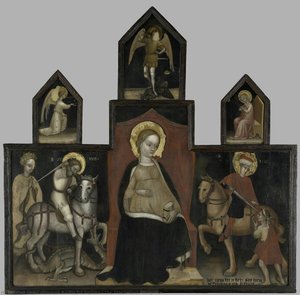
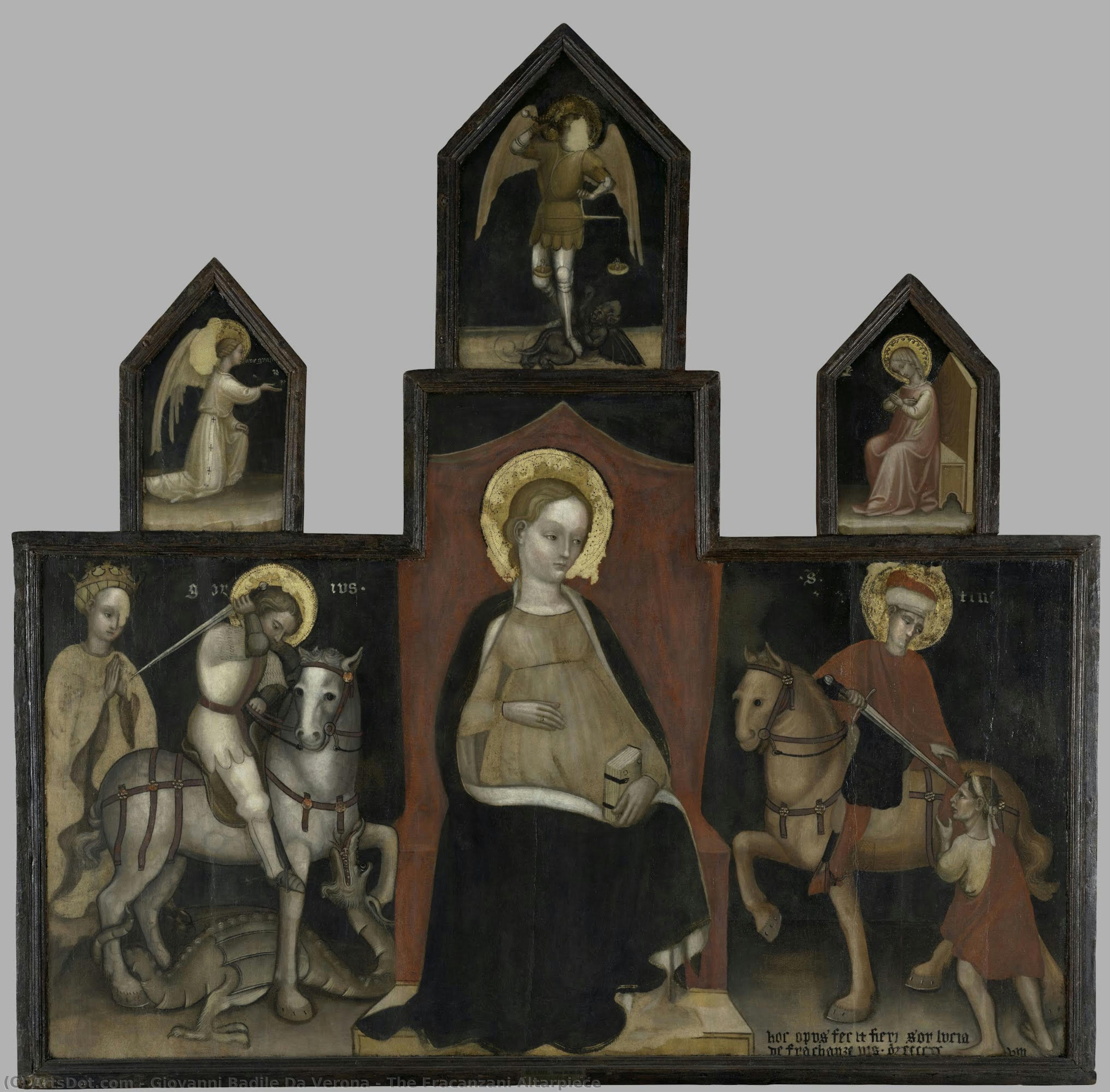
The Fracanzani Altarpiece


 Read More
Hand Made Oil Reproduction
Hand-painted oil on canvas in your size and frame, made to order by our artists. ( Buy Print Buy Image)




































Pick from our preset sizes that match the artwork's original proportions.

You may enter your own dimensions to fit a specific frame or space. If your selected size does not match the original image's proportions, we will either crop the artwork or extend the painting with additional hand-painted elements. A digital mockup will be sent for your approval before production begins.
Please note that the on-screen preview does not reflect the actual cropping or extension. Only the mockup will accurately show the final composition.
While custom sizes are available, we recommend selecting a dimension from the predefined list to preserve the original proportions.
After order, ArtsDot.com team will email client for instructions and provide a mockup preview
Worldwide Delivery () in 3/4 weeks instead of standard 5 weeks. (24 August). No compromise on quality.

Free Worldwide Express Shipping

High-Quality Linen Canvas

Full Shipping Insurance

Customs Tax Refund Guarantee

True Color Matching Guarantee

60-Day Return Policy (Defects Only)

100% Money-Back Guarantee

Bulk Discount Offer
 Glass option is only available in size under 110 CM

The Fracanzani Altarpiece
Reproduction Medium
Reproduction Size
-


Total Price
$ 263
Related Artworks






Artist Biography
Tommaso da Modena: A Veronese Pioneer of the Late Medieval Period
Tommaso Barisini, more commonly known as Tommaso da Modena (c. 1326 – 1379), stands as a pivotal figure in the development of painting during the late 14th century, particularly within the burgeoning artistic landscape of Verona and Padua. Often overshadowed by his contemporaries, yet possessing a uniquely compelling style, he represents a bridge between the Gothic traditions of his early career and the nascent Renaissance sensibilities that were beginning to take root. His work offers a fascinating glimpse into the religious fervor and civic pride of his time, revealing both technical mastery and a profound engagement with human emotion.
Born in Modena, Tommaso’s early life remains shrouded in relative obscurity. While precise details are scarce – a common characteristic of artists during this period – it is believed he received his initial training within the established workshops of Verona. This formative experience undoubtedly instilled in him a deep appreciation for the regional artistic heritage, characterized by its emphasis on narrative clarity and a somewhat stylized approach to representation. However, Tommaso quickly distinguished himself through an increasingly expressive use of color and a heightened sensitivity to the psychological nuances of his subjects.
The Padua Frescoes: A Masterclass in Narrative and Emotion
Tommaso’s most enduring legacy rests upon two monumental fresco cycles executed in Padua between 1370 and 1379. Commissioned by Duke Francesco I Carrara, these works – the Chapel of San Felice in the Basilica of San Antonio and the Cappella di San Giorgio – represent a culmination of his artistic development and showcase his distinctive style. The Chapel of San Felice features a dramatic Crucifixion scene alongside depictions of key episodes from the life of Saint James, demonstrating Tommaso’s ability to convey intense emotion through gesture and composition. The figures are imbued with a palpable sense of suffering and devotion, reflecting a deeply felt spirituality.
The Cappella di San Giorgio presents a more diverse program, encompassing scenes from the lives of Saint George, Saint Sebastian, and other significant saints. Here, Tommaso’s technical skill is equally impressive, but his focus shifts towards a greater emphasis on realism and naturalism. The drapery flows with dynamic grace, the faces exhibit subtle expressions of personality, and the architectural settings are rendered with remarkable detail. Notably, these frescoes demonstrate a conscious departure from the rigid formality of earlier Gothic styles, incorporating elements that foreshadow the innovations of the early Renaissance.
Influences and Artistic Style
Tommaso’s artistic style is often described as transitional, reflecting his position at the cusp of two distinct artistic movements. He clearly drew inspiration from the established traditions of Giotto di Bondone, particularly in his use of monumental figures and dramatic spatial arrangements. However, unlike Giotto's somewhat stylized approach, Tommaso imbued his figures with a greater sense of psychological depth and emotional intensity. His palette is rich and vibrant, employing a carefully considered range of colors to create visual harmony and enhance the expressive power of his scenes.
Furthermore, Tommaso’s work reveals an awareness of contemporary artistic trends, including those emerging in Florence. The influence of Altichiero da Verona, another prominent Veronese painter active during this period, is evident in their shared emphasis on narrative clarity and a naturalistic depiction of human figures. However, Tommaso developed his own unique voice, characterized by a heightened sense of drama and an unparalleled ability to capture the emotional core of religious narratives.
Legacy and Historical Significance
Despite his relatively short career – he died in 1379 – Tommaso da Modena left an indelible mark on the artistic landscape of Northern Italy. His frescoes in Padua are considered masterpieces of late medieval painting, representing a crucial link between Gothic tradition and the burgeoning Renaissance. His innovative use of color, his dramatic compositions, and his profound understanding of human emotion established him as a leading figure in Veronese art and influenced generations of subsequent painters. While often overlooked by mainstream art historical narratives, Tommaso da Modena deserves recognition as a significant contributor to the development of Italian painting during a pivotal period in its history.
Further Research: Tommaso da Modena - Wikipedia
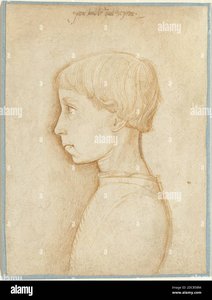
giovanni badile da verona
1379 - 1448 , Italy
Quick Facts
- Artistic Movement Or Style: Early Renaissance
- Artists Or Movements Influenced By This Artist: ['Altichiero da Verona']
- Artists Who Influenced This Artist: ['Giotto']
- Date Of Birth: 1326
- Date Of Death: 1379
- Full Name: Tommaso da Modena
- Nationality: Italian
- Notable Artworks:
- Crucifixion
- St. James life
- St. George life
- Place Of Birth: Verona, Italy