 Preview
 Send
Send Share
Share
 Details

 Download
 Similars
 X-Ray
X-Ray Diaporama
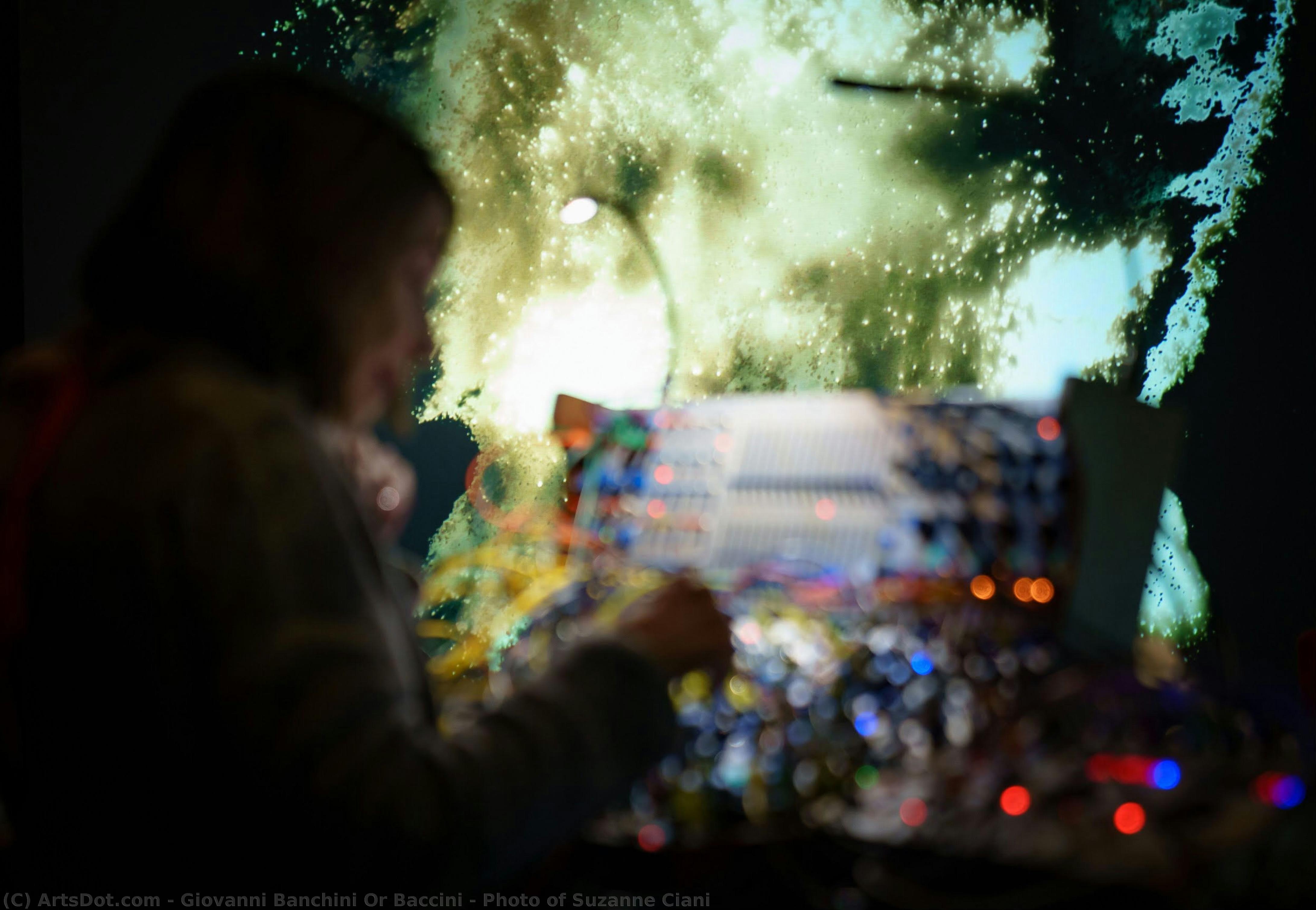
Photo of Suzanne Ciani


 Read More
Giclée / Art Print
Museum-quality giclée or canvas print with fast production and flexible finish options. ( Buy Hand Made Painting Buy Image)




































Pick from our preset sizes that match the artwork's original proportions.

You may enter your own dimensions to fit a specific frame or space. If your selected size does not match the original image's proportions, we will either crop the artwork or extend the image with a mirrored or solid-fill edge. A digital mockup will be sent for your approval before production begins.
Please note that the on-screen preview does not reflect the actual cropping or extension. Only the mockup will accurately show the final composition.
While custom sizes are available, we recommend selecting a dimension from the predefined list to preserve the original proportions.
Worldwide Delivery () in 2 weeks instead of standard 4/5 weeks. (23 August)

Free Worldwide Express Shipping

High-Quality Linen Canvas

Full Shipping Insurance

Customs Tax Refund Guarantee

True Color Matching Guarantee

60-Day Return Policy (Defects Only)

100% Money-Back Guarantee

Bulk Discount Offer
 Glass option is only available in size under 110 CM

Photo of Suzanne Ciani
Giclée / Art Print
Reproduction Size
-


Total Price
$ 63
Related Artworks









Artist Biography
Giovanni del Biondo: A Florentine Master of the Gothic and Early Renaissance
Giovanni del Biondo, a name perhaps less familiar than some of his contemporaries, nevertheless represents a pivotal figure in 14th-century Italian art. Active primarily in Florence between 1356 and 1399, he navigated the shifting artistic landscape with remarkable skill, blending the established traditions of Gothic painting with nascent Renaissance influences. Born around 1356, likely in Casentino, his early life remains shrouded in some mystery, though records confirm his Florentine citizenship granted in 1356 as ‘Iohannes Biondi de Casentino pictor,’ marking him as a recognized artist within the city’s thriving art scene. His career unfolded against a backdrop of significant artistic change, mirroring the broader transformations occurring across Europe during this period.Early Training and Influences
Del Biondo's artistic journey likely began under the tutelage of established masters in Florence. While definitive proof remains elusive, contemporary accounts suggest connections to the workshops of Andrea di Cione and Nardo di Cione – artists whose dynamic compositions and expressive figures profoundly impacted the Florentine school. These early influences are readily apparent in his earliest works, characterized by a vibrant palette, simplified forms, and a directness of execution that echoes the style of Giotto, who was then at the height of his creative power. His initial paintings frequently depict religious subjects – altarpieces and panel paintings showcasing scenes from the Bible and featuring depictions of saints – often within the framework of larger polyptychs intended for ecclesiastical settings. The works of Ambrogio Lorenzetti, another prominent Florentine painter, also exerted a noticeable influence, particularly in his use of color and narrative clarity.Development and Style
Del Biondo’s artistic style underwent a gradual evolution throughout his career. Initially, his paintings were marked by a certain schematic quality – figures often presented with somewhat exaggerated proportions and a tendency towards formality. However, as he matured, his work became increasingly characterized by a greater sense of naturalism and dynamism. He began to imbue his figures with more individual character, experimenting with looser compositions and a heightened attention to detail. Notably, he moved toward creating a stronger sense of depth within his panels, employing techniques to suggest perspective and spatial relationships – a crucial step in the transition from Gothic to Renaissance painting. Despite this progression, Del Biondo retained a distinctive approach, often incorporating idiosyncratic elements into his work, including slightly skewed proportions and sharply defined features, which have become hallmarks of his style. His later works are distinguished by an almost whimsical quality, reflecting a willingness to break with established conventions.Notable Works and Legacy
Among the surviving examples of Del Biondo’s oeuvre, two altarpieces stand out as particularly significant: a small panel depicting the *Virgin and Child* (Siena, Pinacoteca Nazionale) and a larger altarpiece for S Francesco Figline Valdarno, featuring a central panel illustrating the *Annunciation*. The Detroit Institute of Art also holds two paintings by this late Gothic Period Italian Painter,”Virgin Annunciate”and Archangel Annunciate”. These works offer invaluable insights into his artistic development and demonstrate his mastery of color, composition, and narrative storytelling. His influence extended beyond his own immediate circle; numerous scholars have confidently attributed a significant number of paintings to him based on stylistic similarities, solidifying his place as a key figure in the Florentine art scene of the mid-14th century.Historical Significance
Giovanni del Biondo’s contribution lies not only in the beauty and expressiveness of his individual works but also in his role as a bridge between the Gothic and Renaissance periods. He absorbed the lessons of Giotto and other masters while simultaneously forging his own unique artistic voice, anticipating many of the innovations that would characterize the High Renaissance. His work serves as a testament to the dynamism and creativity of Italian art during a time of profound cultural change, demonstrating how established traditions could be reinterpreted and transformed in response to evolving aesthetic sensibilities. While he may not command the same level of fame as some of his contemporaries, Giovanni del Biondo remains a vital figure in understanding the complex and fascinating history of Italian painting.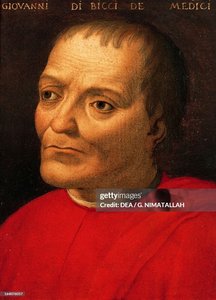
giovanni banchini or baccini
1356 - 1419 , Italy
Quick Facts
- Artistic Movement Or Style:
- Gothic
- Early Renaissance
- Artists Or Movements Influenced By This Artist: ['Lorenzo Veneziano']
- Artists Who Influenced This Artist:
- Giotto
- Ambrogio Lorenzetti
- Date Of Death: 1399
- Full Name: Giovanni del Biondo
- Nationality: Italian
- Notable Artworks:
- Vision of Saint Benedict
- Madonna with God
- Place Of Birth: Florence, Italy