 Preview
 Send
Send Share
Share
 Details

 Download
 Similars
 X-Ray
X-Ray Diaporama
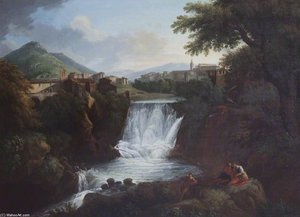
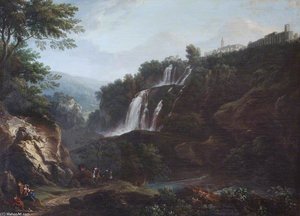
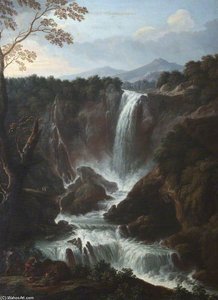
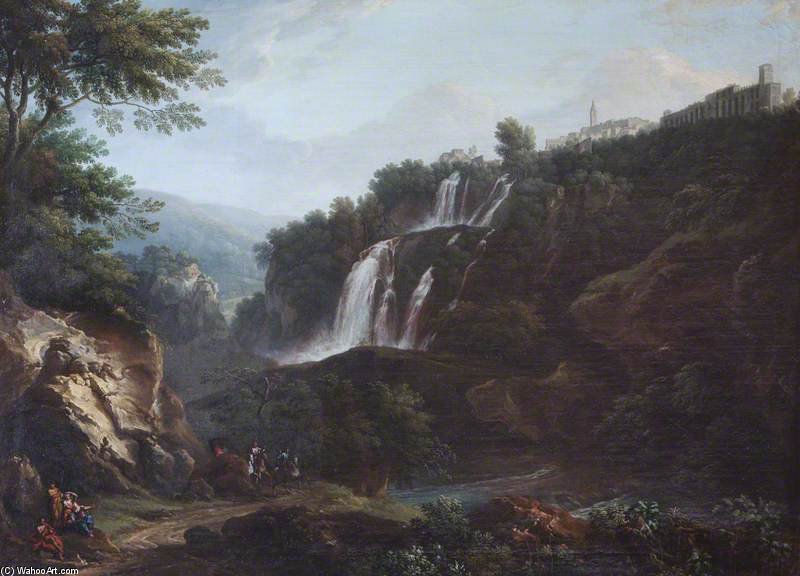
The Great Cascade At Tivoli
 Read More
Hand Made Oil Reproduction
Hand-painted oil on canvas in your size and frame, made to order by our artists. ( Buy Print Buy Image)




































Pick from our preset sizes that match the artwork's original proportions.

You may enter your own dimensions to fit a specific frame or space. If your selected size does not match the original image's proportions, we will either crop the artwork or extend the painting with additional hand-painted elements. A digital mockup will be sent for your approval before production begins.
Please note that the on-screen preview does not reflect the actual cropping or extension. Only the mockup will accurately show the final composition.
While custom sizes are available, we recommend selecting a dimension from the predefined list to preserve the original proportions.
After order, ArtsDot.com team will email client for instructions and provide a mockup preview
Worldwide Delivery () in 3/4 weeks instead of standard 5 weeks. (22 August). No compromise on quality.

Free Worldwide Express Shipping

High-Quality Linen Canvas

Full Shipping Insurance

Customs Tax Refund Guarantee

True Color Matching Guarantee

60-Day Return Policy (Defects Only)

100% Money-Back Guarantee

Bulk Discount Offer
 Glass option is only available in size under 110 CM

The Great Cascade At Tivoli
Reproduction Medium
Reproduction Size
-


Total Price
$ 263
Related Artworks



Artist Biography
A Roman Visionary: The Life and Art of Giovanni Battista Busiri
Giovanni Battista Busiri, often known as Bussini, remains a somewhat enigmatic figure in the pantheon of 18th-century Italian landscape painters. Born in Rome in 1698, his life unfolded against a backdrop of shifting artistic tastes – a period transitioning from the grandeur of the Baroque to the more restrained elegance of Rococo and Neoclassicism. While not enjoying the widespread fame of contemporaries like Canaletto or Piranesi, Busiri carved out a significant niche for himself with his meticulously detailed *vedute*, or views, of Rome and its surrounding countryside. His paintings offer a compelling glimpse into the daily life and architectural splendor of a city steeped in history, capturing a sense of both timeless beauty and fleeting modernity.Early Influences and Artistic Development
Busiri’s artistic formation was deeply rooted in the Roman tradition. Though specific details regarding his early training are scarce, it is widely believed he studied under local masters who were themselves influenced by the classical ideals championed by Nicolas Poussin. This influence is readily apparent in Busiri's compositions: a deliberate arrangement of elements, a focus on clarity and order, and a subtle yet powerful sense of atmosphere. Unlike the dramatic chiaroscuro favored by many Baroque artists, Busiri employed a softer, more luminous palette, emphasizing natural light and shadow to create a convincing illusion of depth and realism. He wasn’t merely documenting buildings; he was striving for an idealized representation of Roman beauty, imbued with a quiet dignity. His early works demonstrate a keen observational skill coupled with a nascent ability to translate the complexities of urban landscapes onto canvas.The Vedute and Busiri's Unique Style
Busiri’s primary contribution lies in his series of *vedute* – panoramic views of Rome, often featuring iconic landmarks such as the Colosseum, the Roman Forum, and St. Peter’s Basilica. However, he didn’t limit himself to grand monuments. He also depicted bustling marketplaces, tranquil gardens, and picturesque scenes along the Tiber River, offering a more intimate portrayal of Roman life. What sets Busiri apart is his remarkable attention to detail. Each building is rendered with architectural precision, while figures are carefully placed to animate the scene without overwhelming it. His paintings aren’t simply topographical records; they're narratives populated by everyday people engaged in their daily routines. He masterfully balanced the monumental and the mundane, creating a sense of authenticity that resonates even today. He often included subtle atmospheric effects – a hazy morning light, a dramatic sunset – to enhance the emotional impact of his scenes.Patronage, Legacy, and Historical Significance
While Busiri’s clientele remains largely undocumented, it is likely he catered to both aristocratic Roman families and foreign Grand Tourists seeking souvenirs of their Italian sojourns. The demand for *vedute* was particularly high during the 18th century, as travelers sought tangible reminders of the classical world. Although his work wasn't widely disseminated through engravings like that of Piranesi or Canaletto, Busiri’s paintings found their way into private collections across Europe and beyond. His legacy lies in his ability to capture the essence of 18th-century Rome, offering a valuable visual record of a city undergoing significant change. He represents a fascinating transitional figure – bridging the gap between the Baroque and Neoclassical styles, and demonstrating a unique sensitivity to both architectural grandeur and the rhythms of everyday life. His paintings continue to be appreciated for their technical skill, historical accuracy, and enduring beauty, providing a window into a bygone era.Key Characteristics of Busiri’s Work
- Meticulous detail in architectural rendering.
- Soft, luminous palette emphasizing natural light.
- Balanced compositions with a focus on clarity and order.
- Realistic depiction of everyday Roman life.
- Influence of Nicolas Poussin’s classical ideals.
- Emphasis on atmospheric effects to enhance emotional impact.
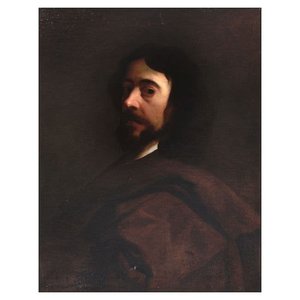
giovanni battista busiri
1698 - 1757 , Italy
Quick Facts
- Artistic Movement Or Style: Roman Vedute
- Artists Or Movements Influenced By This Artist: ['Giovanni Battista Piranesi']
- Artists Who Influenced This Artist:
- Gaspard Poussin
- Jan Frans van Bloemen
- Date Of Birth: Rome, Italy (1698)
- Date Of Death: 1757
- Full Name: Giovanni Battista Busiri
- Nationality: Italian
- Notable Artworks:
- The Cascatelle At Tivoli
- San Giovanni Battista
- Place Of Birth: Rome