 Preview
 Send
Send Share
Share
 Details

 Download
 Similars
 X-Ray
X-Ray Diaporama
Salome


 Read More
Hand Made Oil Reproduction
Hand-painted oil on canvas in your size and frame, made to order by our artists. ( Buy Print Buy Image)




P118B $10

P118H $10

P118W $10

P438Z $10

P508JH $12

P508YH $12

P805H $10

P805Z $10

P919BZ $10

P919G $10

P919XJ $10

P959ZH $10

P968JZ $12

W106C $8

W218G $10

W218JH $8

W218Y $10

W307PJ $10

W316G $10

W316PJ $8

W316Y $10

W398PJ $8

W4111J $10

W500HY $15

W500JH $15

W692G $12

W849H $8

W940BG $15

W953PJ $8




Pick from our preset sizes that match the artwork's original proportions.

You may enter your own dimensions to fit a specific frame or space. If your selected size does not match the original image's proportions, we will either crop the artwork or extend the painting with additional hand-painted elements. A digital mockup will be sent for your approval before production begins.
Please note that the on-screen preview does not reflect the actual cropping or extension. Only the mockup will accurately show the final composition.
While custom sizes are available, we recommend selecting a dimension from the predefined list to preserve the original proportions.
After order, ArtsDot.com team will email client for instructions and provide a mockup preview
Worldwide Delivery () in 3/4 weeks instead of standard 5 weeks. (16 August). No compromise on quality.

Free Worldwide Express Shipping

High-Quality Linen Canvas

Full Shipping Insurance

Customs Tax Refund Guarantee

True Color Matching Guarantee

60-Day Return Policy (Defects Only)

100% Money-Back Guarantee

Bulk Discount Offer
 Glass option is only available in size under 110 CM

Salome
Reproduction Medium
Reproduction Size
-


Total Price
$ 263
Artwork Description
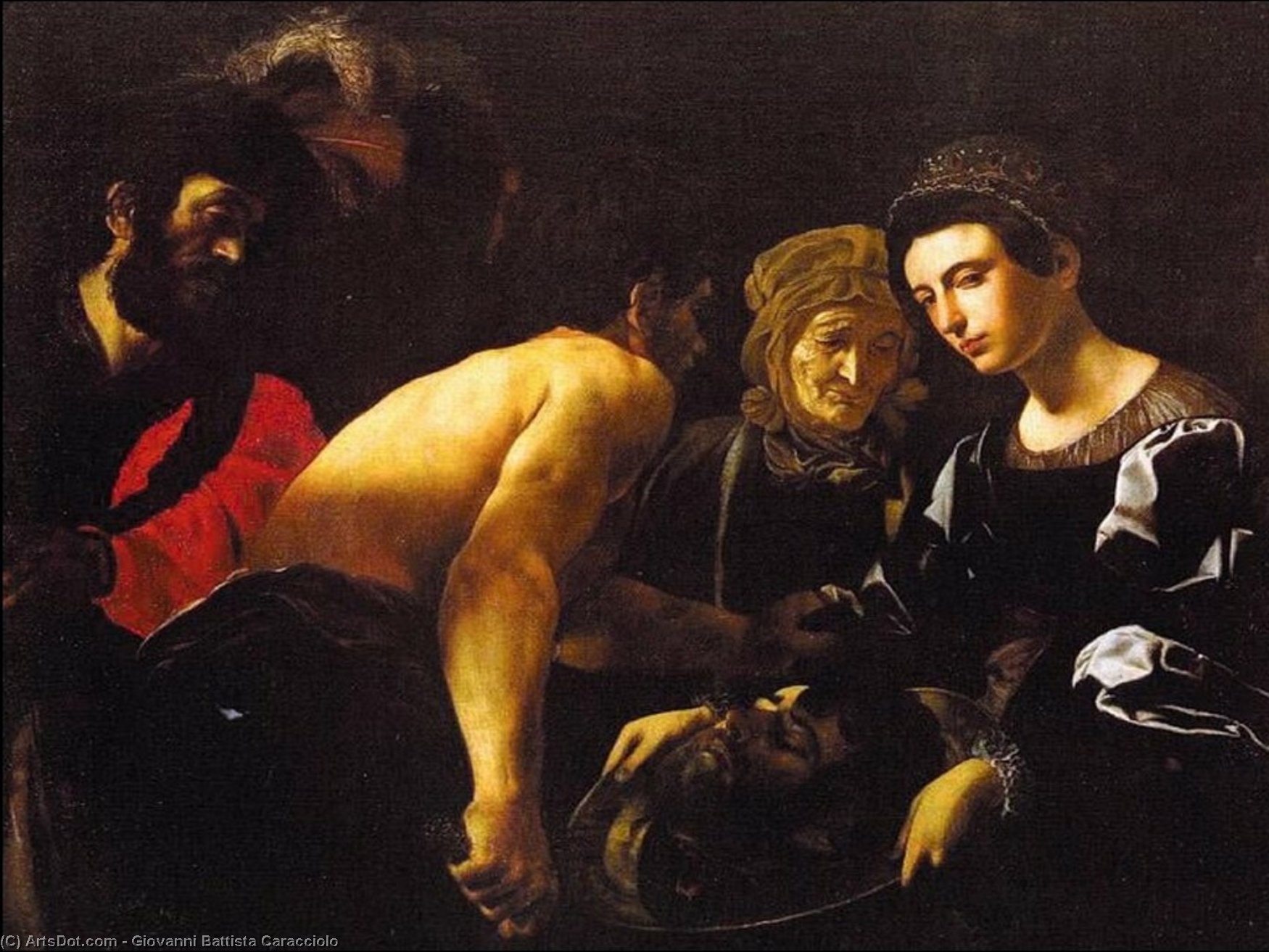
The Drama of Devotion: Exploring Caracciolo's Salome
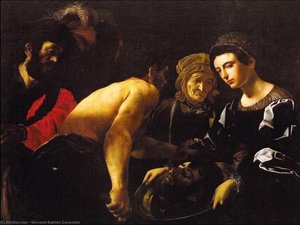
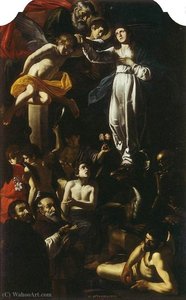
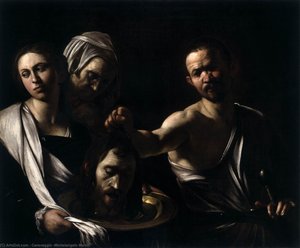
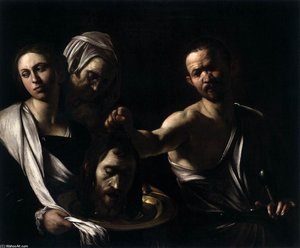
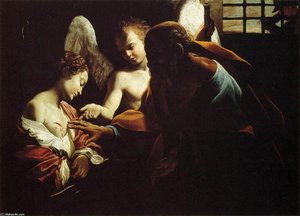
To stand before Giovanni Battista Caracciolo’s Salome is to be plunged headfirst into the crucible of human passion and divine narrative. Painted in 1615, this masterpiece from the Galleria degli Uffizi does not merely depict a biblical story; it captures a moment suspended in agonizing, dramatic tension. The air itself seems thick with unspoken desire and impending tragedy. Caracciolo, deeply rooted in the powerful current of Neapolitan Caravaggism, utilizes light not just to illuminate, but to sculpt emotion from shadow. Observe how the foreground figures are caught in an almost theatrical spotlight against a brooding, shadowy background. This masterful interplay between illumination and obscurity—the very essence of tenebrism—forces the viewer into an intimate confrontation with the scene's central drama.
Mastery of Shadow and Light: Technical Brilliance
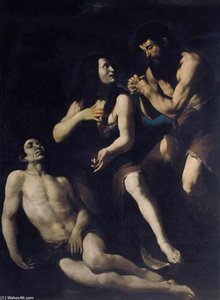
Caracciolo’s technique here is nothing short of breathtaking. He wields paint to create palpable depth, making the illuminated skin tones seem almost luminous against the deep umbers and blacks that consume the periphery. The handling of light draws the eye inexorably toward the central action: a figure lying in apparent distress or agony, surrounded by the charged gazes of others. This selective lighting is not decorative; it is narrative. It guides our understanding, suggesting that within this darkness resides the most potent human drama. For those who appreciate Old Master techniques, the subtle gradations of tone and the dramatic contrast achieved by Caracciolo remain a profound technical achievement.
Symbolism and Emotional Resonance
The subject matter itself—Salome—is steeped in layers of complex symbolism: desire, obedience, forbidden knowledge, and sacrifice. The composition is rich with implied narrative tension. From the figure on the left holding what appears to be a dish or bowl, to the crowned woman whose gaze meets ours directly, every element contributes to an overwhelming sense of psychological weight. Caracciolo compels us to question who holds power in this tableau. Is it the divine will, the raw emotion displayed by the central figure, or the silent complicity of those observing? The painting resonates with a profound emotional current that speaks across centuries, making it endlessly compelling for contemplation.
Bringing the Drama Home: Art for Modern Spaces
For collectors and designers seeking to infuse a space with the gravitas and artistry of the Baroque era, a reproduction of this Salome offers unparalleled depth. It is not merely wall decor; it is a focal point, an intellectual anchor for any room. The dramatic chiaroscuro inherent in Caracciolo’s style translates beautifully into interior design, adding instant theatricality whether placed above a grand mantelpiece or within a richly paneled study. Owning this piece allows one to curate an atmosphere steeped in history, drama, and the sublime skill of 17th-century Italian masters.
Related Artworks
Artist Biography
Giovanni Battista Caracciolo: The Shadow and Light of Neapolitan Caravaggism
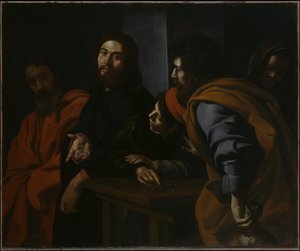
Giovanni Battista Caracciolo, a name often whispered alongside the titans of 17th-century Italian art, stands as a pivotal figure in the development of Neapolitan painting. Born in Naples in 1578, he emerged from the city’s vibrant artistic milieu to become one of the most significant followers of Caravaggio, shaping a distinct regional style characterized by dramatic tenebrism, intense emotion, and a profound connection to religious narratives. Despite limited biographical documentation – largely reliant on the often-unreliable accounts of Bernardo de' Dominici – Caracciolo’s impact on the artistic landscape of Naples is undeniable, establishing a school of painting that would resonate for decades to come. Caracciolo’s early training remains somewhat shrouded in mystery, initially attributed to Francesco Imparato and Fabrizio Santafede. However, it was Caravaggio's sudden arrival in Naples at the end of 1606 that proved to be the catalyst for his artistic transformation. The young painter, fleeing Rome after a violent altercation, brought with him a revolutionary approach to art – a bold use of light and shadow, a focus on realistic figures, and an emphasis on emotional intensity. Caracciolo was immediately captivated by Caravaggio’s innovations, immersing himself in the artist's techniques and absorbing his dramatic style. This initial encounter proved transformative, setting the stage for a career deeply rooted in Caravaggesque principles. The brief but profound visits of Caravaggio to Naples in 1606 and 1609/1610 were crucial, providing Caracciolo with an immediate and powerful artistic model. Caracciolo’s style quickly evolved into a distinctive interpretation of Caravaggism, retaining the dramatic lighting and emotional depth while developing his own unique voice. Unlike many of his contemporaries who merely replicated Caravaggio's techniques, Caracciolo infused his work with a distinctly Neapolitan sensibility – a darker palette, a heightened sense of drama, and an exploration of human psychology that resonated deeply with the city’s turbulent social and political climate. He became known for his ability to capture not just the outward appearance of his subjects but also their inner turmoil, imbuing each scene with a palpable sense of urgency and emotion. His work frequently depicted religious scenes, often imbued with a gritty realism and a focus on the human cost of faith. The most significant period in Caracciolo’s career coincided with his involvement in the Cabal of Naples – a notorious group of artists, including Belisario Corenzio and Jusepe de Ribera, who engaged in a deadly rivalry for commissions. This tumultuous environment undoubtedly influenced his artistic output, contributing to the dark and dramatic themes that characterized much of his work. While details surrounding the cabal remain shrouded in speculation and rumor – with accusations of murder and conspiracy – it’s clear that this period marked a turning point in Caracciolo's career, pushing him towards increasingly bold and confrontational expressions of artistic vision. Among Caracciolo’s most celebrated works is “The Calling of Saint Matthew,” painted around 1625-30. This masterpiece exemplifies his mastery of tenebrism, utilizing stark contrasts of light and shadow to draw the viewer's eye to the central figures and heighten the dramatic impact of the scene. The painting captures the moment when Jesus calls Matthew, a tax collector, to follow him, depicting the encounter with intense emotion and psychological depth. Similarly, “Christ Washing the Feet of the Disciples,” created in 1622, showcases his ability to convey both religious piety and human vulnerability. These works, along with numerous altarpieces and frescoes, demonstrate Caracciolo’s skill as a painter and his profound understanding of the power of visual storytelling. Caracciolo's legacy extends beyond his individual masterpieces; he is credited with establishing the Neapolitan school of Caravaggism, nurturing a generation of artists who continued to develop and refine his distinctive style. Artists such as Giuseppe Ribera, Carlo Sellitto, and Mattia Preti all benefited from Caracciolo’s influence, carrying forward his techniques and expanding upon his artistic vision. Giovanni Battista Caracciolo died in Naples in 1635, leaving behind a body of work that continues to captivate viewers with its dramatic intensity, emotional depth, and enduring connection to the spirit of Caravaggio. His contribution to Neapolitan art is profound, solidifying his place as one of the most important figures in the development of Baroque painting in Italy.Further Exploration
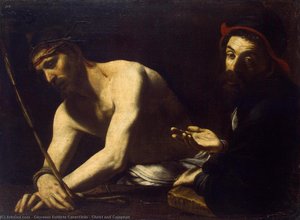
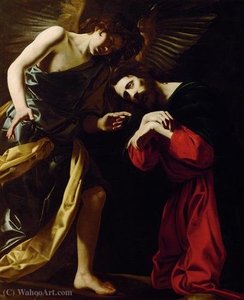
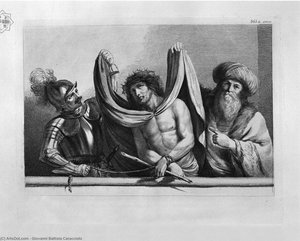
- Christ and Caiaphas: Explore this dramatic scene depicting the final moments of Christ’s trial.
- Church of Pio Monte della Misericordia: Discover Naples' artistic heritage at this historic church, home to Caravaggio’s masterpiece and a testament to the city’s charitable roots.
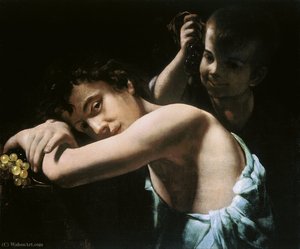
- Two Youths with Grapes: Admire the intense emotion and chiaroscuro in this captivating Baroque painting.
- The Calling of Saint Matthew: Experience Caracciolo’s dramatic ‘Calling of Saint Matthew’! A Baroque masterpiece showcasing Caravaggio’s influence – intense light, emotion & religious narrative.
For more information about Giovanni Battista Caracciolo, please visit these external resources:
Giovanni Battista Caracciolo
1578 - 1635 , Italy
Quick Facts
- Artistic Movement Or Style: Caravaggism, Neapolitan Baroque
- Artists Or Movements Influenced By This Artist: ['Mattia Preti']
- Artists Who Influenced This Artist: ['Caravaggio']
- Date Of Birth: December 7, 1578
- Date Of Death: December 23, 1635
- Full Name: Giovanni Battista Caracciolo
- Nationality: Italian
- Notable Artworks:
- The Calling of Saint Matthew
- Christ and Caiaphas
- Church of Pio Monte della Misericordia
- Place Of Birth: Naples, Italy
Related Articles

Baroque Masterpieces: 10 Paintings That Defined an Era |
Journey through the drama & grandeur of Baroque art! Explore 10 masterpieces by Caravaggio, Rembrandt, Rubens & more. Discover stunning oil paintings, rich colors & timeless stories. Find museum-quality reproductions at .

The Dramatic Flourish: Exploring the Baroque Movement's Enduring Legacy in Art History
Explore the dramatic world of Baroque art! Discover iconic artists like Caravaggio & Rubens, defining techniques, and its lasting impact on art history. Expert insights for collectors & enthusiasts at ArtsDot.

Giclée Prints: Archival Quality & Aesthetic Nuances for the Discerning Collector
Explore the world of giclée prints with ArtsDot. Learn about archival quality, aesthetic nuances & investment potential. Expert guidance for discerning art collectors seeking museum-quality reproductions and lasting value.
Baroque Painting's Greatest Hits: 10 Masterpieces for Your Home | ArtsDot
Journey through Baroque painting's glory! Explore 10 masterpieces by Caravaggio, Rembrandt & Vermeer. Discover dramatic lighting, rich colors & timeless stories. Find museum-quality art reproductions for your home at ArtsDot.com.

The Visceral Stage: Exploring Dramatic Narratives & Emotional Intensity in Baroque Art
Explore the dramatic world of Baroque art! Discover iconic masters like Caravaggio & Rembrandt, their techniques, and the movement's lasting impact. Expert insights for collectors & enthusiasts at ArtsDot.