

 Preview
 Send
Send Share
Share
 Details

 Download
 Similars
 X-Ray
X-Ray Diaporama
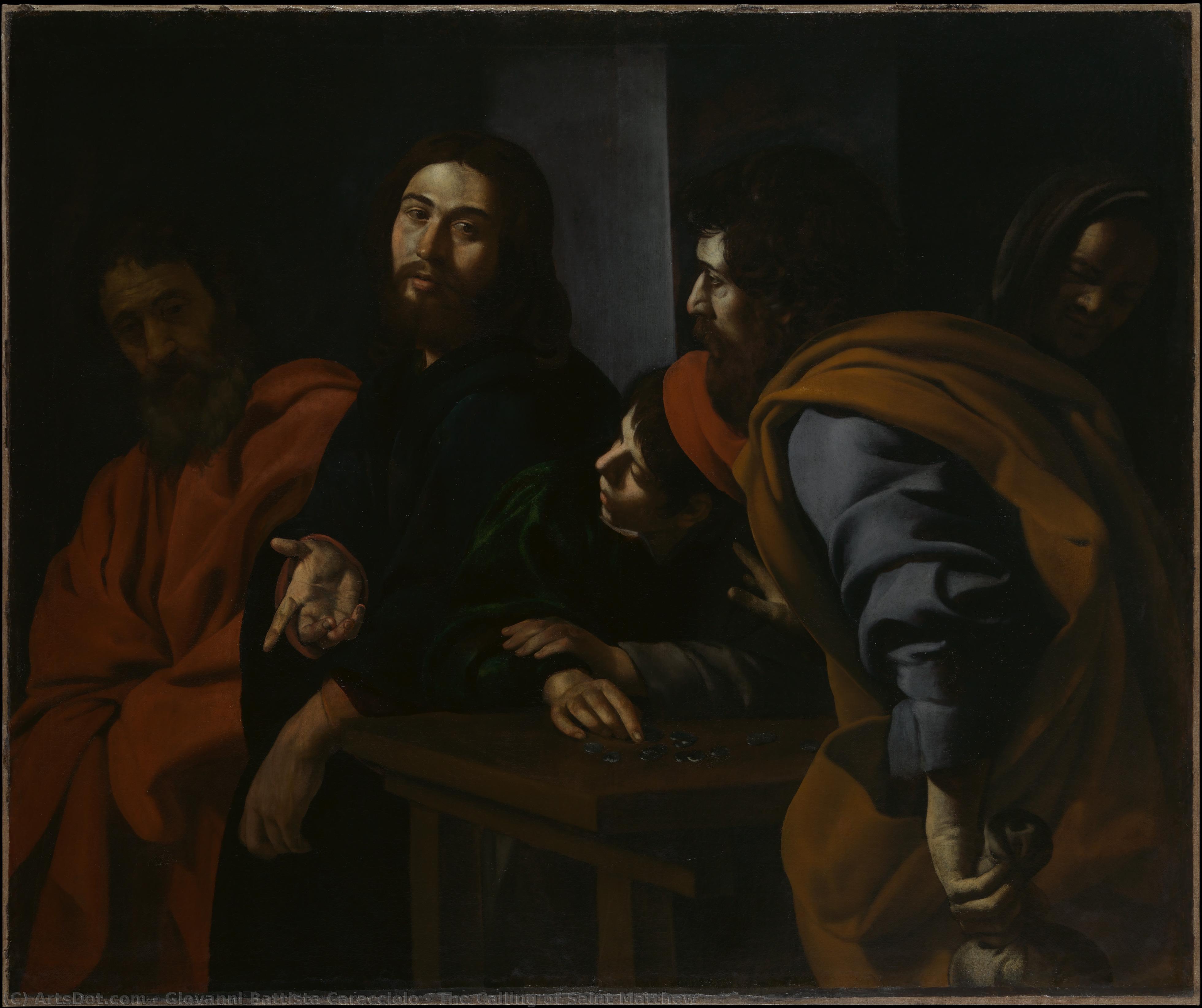
The Calling of Saint Matthew
 Oil On Canvas
- WallArt
- Baroque
 1625
1625 131.0 x 156.0 cm
 Metropolitan Museum of Art
 Read More
Purchase a high-resolution, enhanced digital image, far superior to the online preview.
Each file is meticulously prepared by our in-house specialists using advanced tools and expert manual retouching. We ensure every image has exceptional clarity, precise color accuracy, and fine detail.
The final file is delivered via email within 72 hours, optimized for immediate use in professional, editorial, and print environments. This is the same quality trusted by top-tier design studios, publishers, and galleries.
Digital Image
Download a high-resolution file for personal display, printing, and creative projects. ( Buy Print Buy Hand Made Painting)
Included in Every Digital Image Order
Expert Digital Delivery, Guaranteed
When you choose ArtsDot.com, you're not just getting an image - you're receiving a professionally enhanced digital artwork, crafted with precision and backed by a satisfaction guarantee. Here's everything that comes with your order, automatically:

Fast Email Delivery
Your high-resolution digital image file will be emailed to you within 72 hours of ordering - ready for immediate use.

AI-Enhanced Digital File
Your artwork is professionally optimized using advanced AI tools and manual editing, ensuring maximum detail, clarity, and color accuracy.

Free Lifetime Re-Delivery
Accidentally deleted or lost your file? No worries - we'll resend it to you anytime, free of charge.

No Import Fees - Ever
Enjoy your artwork instantly with zero customs, duties, or delivery fees - digital downloads are always tax-free.

Color Accuracy Guarantee
We ensure your digital image reflects the original colors as closely as possible using professional tools and color management.

60-Day Satisfaction Guarantee
If you're not satisfied with your digital image, we'll revise it or refund 100% within 60 days - no questions asked.

100% Money-Back Guarantee
Not satisfied? Get a full refund within 60 days of receiving your digital file - no questions asked.

Bulk Order Discounts
Buy 3 images, save 10% - Buy 5, save 15% - Buy 10+, save 20%. Great for creative projects, galleries, and agencies.
Collectible Description
The Calling of Saint Matthew: A Baroque Drama in Light and Shadow
Giovanni Battista Caracciolo’s “The Calling of Saint Matthew,” painted around 1625-30 in the heart of Naples, isn't merely a depiction of a biblical scene; it’s a masterclass in Baroque drama—a carefully orchestrated tableau designed to evoke profound emotion and spiritual awakening. Caracciolo, deeply influenced by the revolutionary style of Caravaggio who had recently established himself in the city, transformed the familiar narrative into a powerfully intimate experience for the viewer. The painting captures the precise moment when Jesus Christ, accompanied by Saint Peter, summons Matthew, a notorious tax collector, to abandon his worldly life and follow him—a pivotal event that underscores themes of redemption and divine grace.
The composition itself is meticulously constructed, adhering to classical principles while simultaneously embracing Caravaggio’s signature techniques. A shallow perspective draws the eye directly into the scene, placing us within the modest room where this transformative encounter takes place. The figures are rendered with a remarkable sense of realism and immediacy—their faces etched with surprise, contemplation, and nascent faith. Note particularly the intense gaze of Jesus, radiating an almost palpable authority, contrasted against Matthew’s bewildered expression as he reaches for the money bag at the lower edge of the canvas – a potent symbol of earthly possessions versus spiritual wealth. The use of chiaroscuro—the dramatic interplay of light and shadow—is utterly central to Caracciolo's vision. A single, brilliant beam illuminates Jesus and his immediate circle, casting deep shadows over the rest of the scene, intensifying the emotional impact and creating a sense of theatrical intensity reminiscent of a stage production.
Caravaggio’s Legacy: Neapolitan Baroque
Caracciolo's work stands as a testament to the profound influence Caravaggio exerted on the artistic landscape of Naples. Following the master’s brief but impactful presence in the city, Caracciolo became a leading figure in what is known as Neapolitan Caravaggism—a distinct regional style characterized by its dramatic tenebrism, intense emotionality, and focus on religious narratives. Unlike the more polished and idealized depictions prevalent in Rome at the time, Caracciolo’s paintings often retained a raw, almost visceral quality, reflecting the gritty realities of life in Naples. The influence is evident not just in the lighting but also in the psychological depth of the figures—their faces conveying a range of emotions with remarkable subtlety.
It's important to note that Caracciolo’s artistic journey wasn’t without its complexities. He was part of the infamous Cabal of Naples, a shadowy group of artists – including Belisario Corenzio and Jusepe de Ribera – rumored to have engaged in acts of violence and intrigue as they competed for lucrative painting commissions. This darker side of Neapolitan art history adds another layer of fascination to Caracciolo’s story, highlighting the turbulent social and artistic climate of the era.
Symbolism and Spiritual Resonance
Beyond its immediate visual impact, “The Calling of Saint Matthew” is rich in symbolic meaning. The money bag held by Matthew represents his worldly attachments—his wealth, status, and ingrained habits. Jesus’s outstretched hand signifies a call to abandon these earthly possessions and embrace a new life centered on faith and service. The young man at the table, often interpreted as representing Matthew himself, embodies the potential for transformation – a moment of recognition and acceptance of God's invitation. The painting subtly suggests that this conversion isn’t merely a personal experience but a universal one—a reminder that everyone is faced with the choice between earthly pursuits and spiritual fulfillment.
Furthermore, some scholars have suggested that Caracciolo deliberately employed elements reminiscent of Michelangelo’s “The Creation of Adam” – particularly in Jesus's outstretched hand – to elevate the scene to a higher level of theological significance. This deliberate allusion reinforces the painting’s central theme: the bestowal of life and grace by God through Christ.
A Masterpiece for the Ages
“The Calling of Saint Matthew” remains a powerfully evocative work of art, captivating viewers with its dramatic lighting, intense emotion, and profound spiritual message. Caracciolo’s masterful technique—his ability to capture both the physical likenesses of his subjects and their inner states—ensures that this painting continues to resonate with audiences centuries after it was created. Whether viewed as a historical document, an artistic achievement, or a source of inspiration, “The Calling of Saint Matthew” stands as a testament to the enduring power of art to illuminate the human condition.
Related Artworks




Artist Biography
Giovanni Battista Caracciolo: The Shadow and Light of Neapolitan Caravaggism
Giovanni Battista Caracciolo, a name often whispered alongside the titans of 17th-century Italian art, stands as a pivotal figure in the development of Neapolitan painting. Born in Naples in 1578, he emerged from the city’s vibrant artistic milieu to become one of the most significant followers of Caravaggio, shaping a distinct regional style characterized by dramatic tenebrism, intense emotion, and a profound connection to religious narratives. Despite limited biographical documentation – largely reliant on the often-unreliable accounts of Bernardo de' Dominici – Caracciolo’s impact on the artistic landscape of Naples is undeniable, establishing a school of painting that would resonate for decades to come. Caracciolo’s early training remains somewhat shrouded in mystery, initially attributed to Francesco Imparato and Fabrizio Santafede. However, it was Caravaggio's sudden arrival in Naples at the end of 1606 that proved to be the catalyst for his artistic transformation. The young painter, fleeing Rome after a violent altercation, brought with him a revolutionary approach to art – a bold use of light and shadow, a focus on realistic figures, and an emphasis on emotional intensity. Caracciolo was immediately captivated by Caravaggio’s innovations, immersing himself in the artist's techniques and absorbing his dramatic style. This initial encounter proved transformative, setting the stage for a career deeply rooted in Caravaggesque principles. The brief but profound visits of Caravaggio to Naples in 1606 and 1609/1610 were crucial, providing Caracciolo with an immediate and powerful artistic model. Caracciolo’s style quickly evolved into a distinctive interpretation of Caravaggism, retaining the dramatic lighting and emotional depth while developing his own unique voice. Unlike many of his contemporaries who merely replicated Caravaggio's techniques, Caracciolo infused his work with a distinctly Neapolitan sensibility – a darker palette, a heightened sense of drama, and an exploration of human psychology that resonated deeply with the city’s turbulent social and political climate. He became known for his ability to capture not just the outward appearance of his subjects but also their inner turmoil, imbuing each scene with a palpable sense of urgency and emotion. His work frequently depicted religious scenes, often imbued with a gritty realism and a focus on the human cost of faith. The most significant period in Caracciolo’s career coincided with his involvement in the Cabal of Naples – a notorious group of artists, including Belisario Corenzio and Jusepe de Ribera, who engaged in a deadly rivalry for commissions. This tumultuous environment undoubtedly influenced his artistic output, contributing to the dark and dramatic themes that characterized much of his work. While details surrounding the cabal remain shrouded in speculation and rumor – with accusations of murder and conspiracy – it’s clear that this period marked a turning point in Caracciolo's career, pushing him towards increasingly bold and confrontational expressions of artistic vision. Among Caracciolo’s most celebrated works is “The Calling of Saint Matthew,” painted around 1625-30. This masterpiece exemplifies his mastery of tenebrism, utilizing stark contrasts of light and shadow to draw the viewer's eye to the central figures and heighten the dramatic impact of the scene. The painting captures the moment when Jesus calls Matthew, a tax collector, to follow him, depicting the encounter with intense emotion and psychological depth. Similarly, “Christ Washing the Feet of the Disciples,” created in 1622, showcases his ability to convey both religious piety and human vulnerability. These works, along with numerous altarpieces and frescoes, demonstrate Caracciolo’s skill as a painter and his profound understanding of the power of visual storytelling. Caracciolo's legacy extends beyond his individual masterpieces; he is credited with establishing the Neapolitan school of Caravaggism, nurturing a generation of artists who continued to develop and refine his distinctive style. Artists such as Giuseppe Ribera, Carlo Sellitto, and Mattia Preti all benefited from Caracciolo’s influence, carrying forward his techniques and expanding upon his artistic vision. Giovanni Battista Caracciolo died in Naples in 1635, leaving behind a body of work that continues to captivate viewers with its dramatic intensity, emotional depth, and enduring connection to the spirit of Caravaggio. His contribution to Neapolitan art is profound, solidifying his place as one of the most important figures in the development of Baroque painting in Italy.Further Exploration
- Christ and Caiaphas: Explore this dramatic scene depicting the final moments of Christ’s trial.
- Church of Pio Monte della Misericordia: Discover Naples' artistic heritage at this historic church, home to Caravaggio’s masterpiece and a testament to the city’s charitable roots.
- Two Youths with Grapes: Admire the intense emotion and chiaroscuro in this captivating Baroque painting.
- The Calling of Saint Matthew: Experience Caracciolo’s dramatic ‘Calling of Saint Matthew’! A Baroque masterpiece showcasing Caravaggio’s influence – intense light, emotion & religious narrative.
For more information about Giovanni Battista Caracciolo, please visit these external resources:
Giovanni Battista Caracciolo
1578 - 1635 , Italy
Quick Facts
- Artistic Movement Or Style: Caravaggism, Neapolitan Baroque
- Artists Or Movements Influenced By This Artist: ['Mattia Preti']
- Artists Who Influenced This Artist: ['Caravaggio']
- Date Of Birth: December 7, 1578
- Date Of Death: December 23, 1635
- Full Name: Giovanni Battista Caracciolo
- Nationality: Italian
- Notable Artworks:
- The Calling of Saint Matthew
- Christ and Caiaphas
- Church of Pio Monte della Misericordia
- Place Of Birth: Naples, Italy

