 Send
Send Share
Share
 Details

 Download
 Similars
 Diaporama
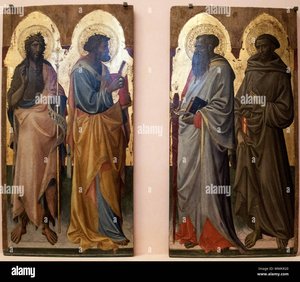
Coronation of the Virgin Mary


 Read More
Giclée / Art Print
Museum-quality giclée or canvas print with fast production and flexible finish options. ( Buy Hand Made Painting Buy Image)




































Pick from our preset sizes that match the artwork's original proportions.

You may enter your own dimensions to fit a specific frame or space. If your selected size does not match the original image's proportions, we will either crop the artwork or extend the image with a mirrored or solid-fill edge. A digital mockup will be sent for your approval before production begins.
Please note that the on-screen preview does not reflect the actual cropping or extension. Only the mockup will accurately show the final composition.
While custom sizes are available, we recommend selecting a dimension from the predefined list to preserve the original proportions.
Worldwide Delivery () in 2 weeks instead of standard 4/5 weeks. (27 August)

Free Worldwide Express Shipping

High-Quality Linen Canvas

Full Shipping Insurance

Customs Tax Refund Guarantee

True Color Matching Guarantee

60-Day Return Policy (Defects Only)

100% Money-Back Guarantee

Bulk Discount Offer
 Glass option is only available in size under 110 CM

Coronation of the Virgin Mary
Giclée / Art Print
Reproduction Size
-


Total Price
$ 63
Collectible Description
A Celestial Coronation: Exploring Giovanni Battista da Ponte's "Coronation of the Virgin Mary"
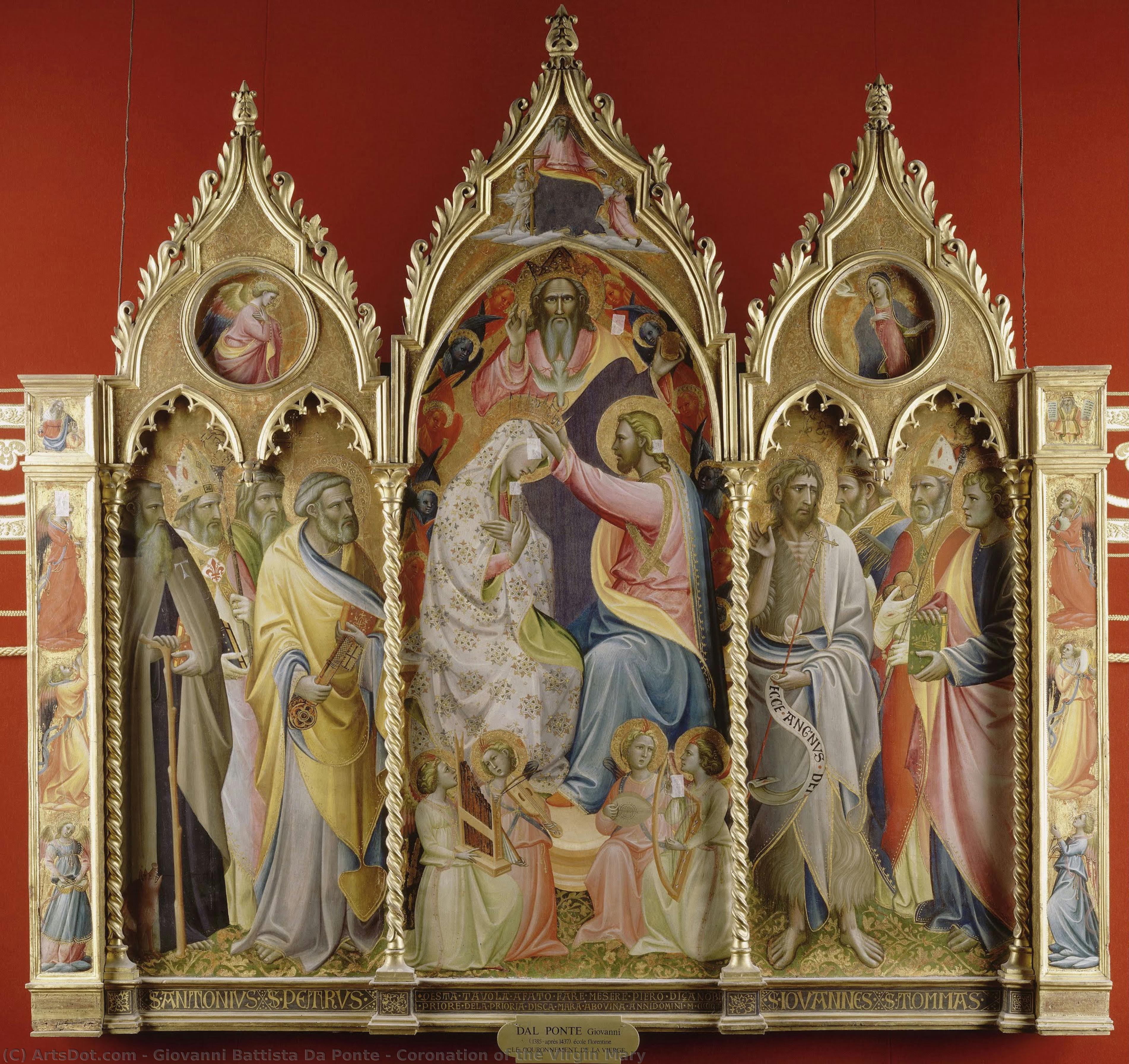
The fresco depicting the “Coronation of the Virgin Mary,” attributed to giovanni battista da ponte, stands as a testament to the fervent religious devotion and artistic flourishing of 15th-century Italy. Dating back to approximately 1425, this large-scale work offers a glimpse into the spiritual landscape of an era deeply rooted in faith, while simultaneously showcasing the evolving techniques and stylistic sensibilities of Renaissance painting. The scene itself is one steeped in symbolism – a visual representation of Mary’s ascension to divine queenship, a concept gaining increasing prominence within Catholic theology during this period. It's not merely a depiction of a heavenly event; it's an affirmation of Mary’s pivotal role as intercessor between humanity and the divine, a comforting image for worshippers seeking solace and guidance. The sheer scale of the fresco suggests its intended purpose: to inspire awe and reverence within a sacred space, drawing viewers into a contemplative experience of faith.The Artistic Landscape and Ponte's Place Within It
To fully appreciate this artwork, it’s crucial to understand the context in which it was created. The early 15th century witnessed a shift away from the stylized conventions of Gothic art towards a more naturalistic representation of the human form and the world around us – a hallmark of the burgeoning Renaissance. While giovanni battista da ponte worked within this evolving artistic climate, his style reflects a blend of late medieval traditions and emerging Renaissance ideals. He was the second son of Jacopo da Ponte, a renowned artist of the time, and much of his work is believed to have been influenced by, or even copied from, his father’s creations – a common practice in family workshops of the era. This connection highlights the importance of artistic lineage and apprenticeship within Renaissance society, where skills and techniques were passed down through generations. The fresco's composition, while grand, demonstrates a certain adherence to established iconographic conventions, yet it also hints at a growing interest in depicting figures with greater realism and emotional depth.Symbolism Woven into the Celestial Tapestry
Beyond its visual beauty, the "Coronation of the Virgin Mary" is rich in symbolic meaning. At the heart of the scene stands the Virgin Mary, resplendent in regal attire, receiving a crown from Jesus Christ – a clear declaration of her divine status and role as Queen of Heaven. The presence of other figures—angels, saints, and perhaps even representations of humanity—further enriches the narrative. Each element contributes to a complex tapestry of theological meaning. For instance, the book often depicted near Mary might symbolize her wisdom and knowledge, while the cup could allude to the Eucharist and her role in salvation. The musician angels, frequently featured in such depictions, are not merely decorative elements; they represent the heavenly choir celebrating this momentous occasion, their music a symbol of divine harmony and praise. These details invite viewers to engage with the artwork on multiple levels—appreciating its aesthetic qualities while simultaneously contemplating its profound spiritual message.A Legacy of Faith and Artistic Skill
The "Coronation of the Virgin Mary" by giovanni battista da ponte is more than just a beautiful painting; it’s a window into the religious beliefs, artistic practices, and cultural values of 15th-century Italy. While attribution and precise details about the fresco's original location remain somewhat elusive, its enduring power lies in its ability to evoke a sense of awe and reverence—a testament to the artist’s skill in capturing a pivotal moment in Christian iconography. The work serves as a reminder of the profound impact that art can have on shaping our understanding of faith, history, and the human experience, continuing to inspire contemplation and appreciation centuries after its creation. It stands as an excellent example of how Renaissance artists skillfully combined religious devotion with artistic innovation, creating works that resonate deeply with viewers across generations.Related Artworks
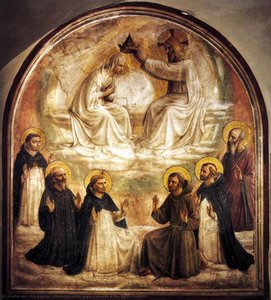
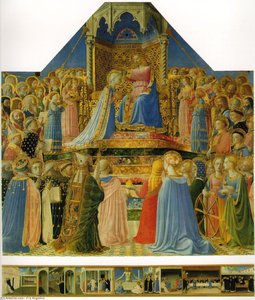
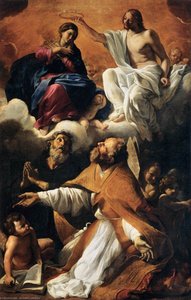
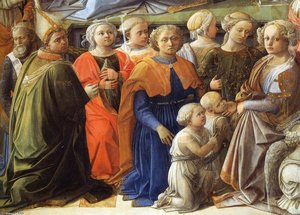
Artist Biography
biographical overview
giovanni battista da ponte, also known as giovanni battista bassano, was an italian painter of the renaissance period, born in 1553 in bassano del grappa, italy. he was the second son of jacopo da ponte, a renowned artist of the time.artistic style and contributions
giovanni battista da ponte was chiefly known for being a copyist of his father's works, with many of his productions now figured under jacopo's name. he was active in venice and his native bassano del grappa, contributing to the rich cultural landscape of italy during the renaissance.notable artworks and museums
* the supper at emmaus (high renaissance) - a notable painting by jacopo bassano (jacopo da ponte), showcasing his mastery of religious themes. [https://ArtsDot.com/@@/8lj54h-jacopo-bassano-(jacopo-da-ponte)-supper-at-emmaus](https://ArtsDot.com/@@/8lj54h-jacopo-bassano-(jacopo-da-ponte)-supper-at-emmaus) * museo civico di bassano del grappa, located in the veneto region of northern italy, is one of the oldest museums in the area and features works by giovanni battista da ponte. [https://ArtsDot.com/@@/a@d3atzm-museo-civico-di-bassano-del-grappa-italy](https://ArtsDot.com/@@/a@d3atzm-museo-civico-di-bassano-del-grappa-italy)legacy and influence
giovanni battista da ponte's work, though often overshadowed by his father's, represents a significant contribution to the italian renaissance. his adherence to traditional techniques while exploring new themes reflects the transitional spirit of the era.- giovanni battista da ponte - wikipedia
- explore more artworks by jacopo bassano (jacopo da ponte) on ArtsDot: [https://ArtsDot.com/@/jacopo-bassano-(jacopo-da-ponte)](https://ArtsDot.com/@/jacopo-bassno-(jacopo-da-ponte))
- discover the museo civico di bassano del grappa's collection: [https://ArtsDot.com/@@/a@d3atzm-museo-civico-di-bassano-del-grappa-italy](https://ArtsDot.com/@@/a@d3atzm-museo-civico-di-bassano-del-grappa-italy)
giovanni battista da ponte
1553 - 1613 , Italy
Quick Facts
- Artistic Movement Or Style: Renaissance, Printmaking
- Artists Or Movements Influenced By This Artist:
- Lucas Cranach the Younger
- German Renaissance
- Artists Who Influenced This Artist:
- Hans Maler
- Albrecht Dürer
- Date Of Birth: c. 1472
- Date Of Death: 16 October 1553
- Full Name: Lucas Cranach the Elder
- Nationality: German
- Notable Artworks:
- Venus and Adonis
- The Rest on the Flight into Egypt
- Portrait of a Man
- Luther as 'Junker Jorg'
- Place Of Birth: Kronach, Germany
Related Articles
Leonardo da Vinci's Masterpieces: Explore 25 Iconic Artworks for Your Home | ArtsDot
Journey through Leonardo da Vinci's genius with our curated selection of 25 iconic artworks. Explore the stories behind Mona Lisa, The Last Supper & more Renaissance masterpieces. Find museum-quality art reproductions for your home at ArtsDot.com.
Leonardo da Vinci: A Renaissance Master’s Synthesis of Art, Science & Human Observation – Reinterpreted for the Collector
Explore Leonardo da Vinci’s timeless masterpieces with ArtsDot. Discover insights into his art, science, and legacy – trusted expertise for discerning collectors seeking authentic reproductions & investment opportunities.

Uffizi's 25 Masterpieces: Renaissance Art & Timeless Decor Inspiration
Journey through the Uffizi Gallery's 25 most iconic Renaissance artworks! Explore Botticelli, Leonardo da Vinci & Michelangelo’s masterpieces. Find museum-quality art reproductions and curated decor ideas to bring timeless Italian beauty into your home. Discover all masterpieces on ArtsDot.com
Giovanni Giacometti: Sculpting Existentialism – A Study of Form, Space, and the Human Condition
Explore the profound artistic journey of Giovanni Giacometti, father to Alberto. Discover his unique transition from Surrealism to Existentialist sculpture and painting – a compelling study for elite collectors and art enthusiasts.
Giovanni Battista Piranesi: Visionary of Ruins & Architect of Imagination
Explore the life & work of Giovanni Battista Piranesi, master etcher of Roman views & creator of the haunting 'Carceri d'Invenzione'. Discover his architectural vision and lasting influence on art history.