 Preview
 Send
Send Share
Share
 Details

 Download
 Similars
 X-Ray
X-Ray Diaporama
 Stats
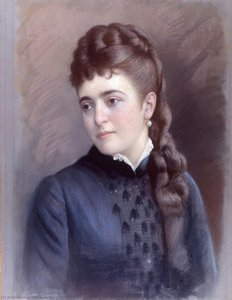
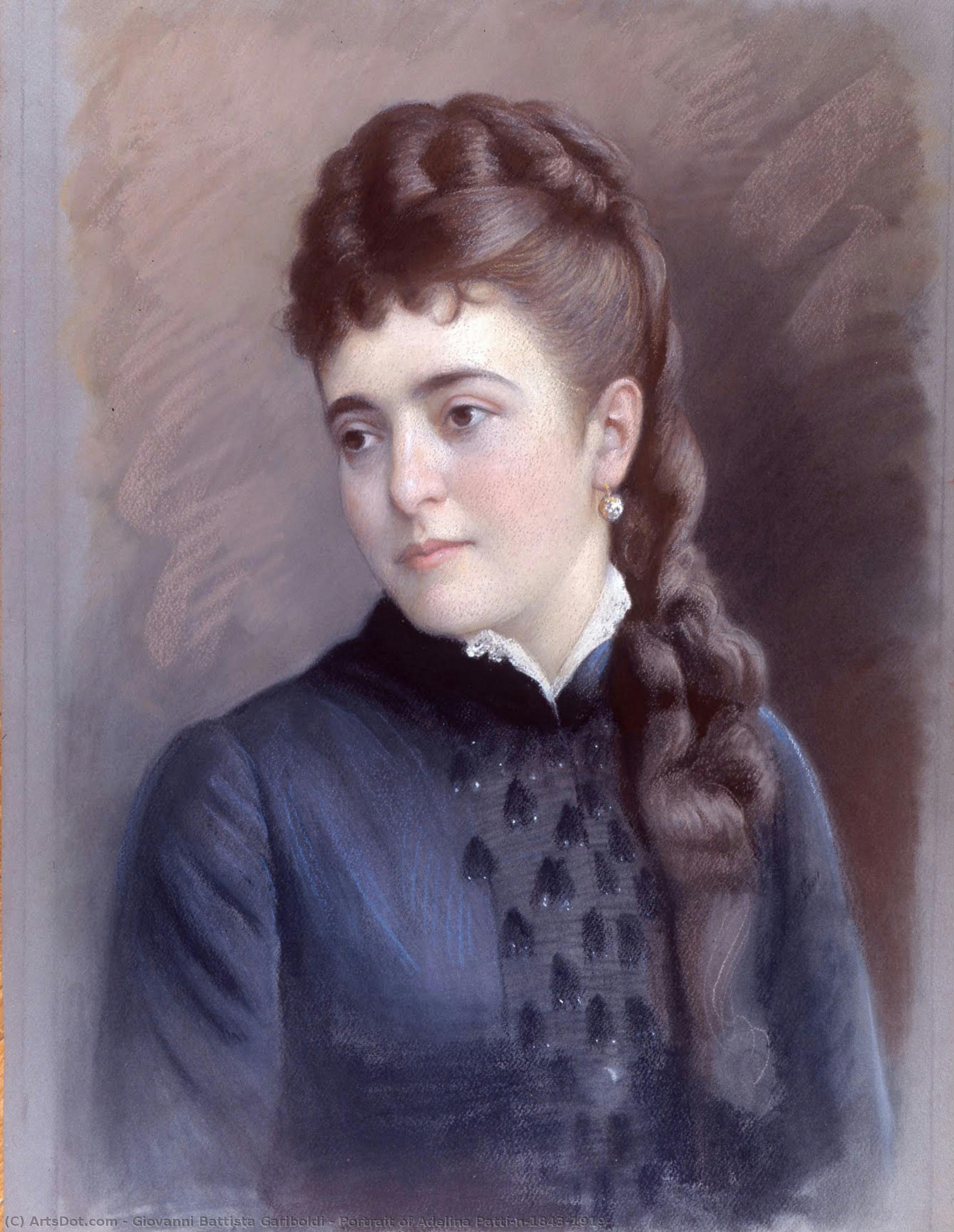
StatsPortrait of Adelina Patti\n(1843-1919)

 Read More
Giclée / Art Print
Museum-quality giclée or canvas print with fast production and flexible finish options. ( Buy Hand Made Painting Switch to Digital Image)




































Pick from our preset sizes that match the artwork's original proportions.

You may enter your own dimensions to fit a specific frame or space. If your selected size does not match the original image's proportions, we will either crop the artwork or extend the image with a mirrored or solid-fill edge. A digital mockup will be sent for your approval before production begins.
Please note that the on-screen preview does not reflect the actual cropping or extension. Only the mockup will accurately show the final composition.
While custom sizes are available, we recommend selecting a dimension from the predefined list to preserve the original proportions.
Worldwide Delivery () in 2 weeks instead of standard 4/5 weeks. (9 September)

Free Worldwide Express Shipping

High-Quality Linen Canvas

Full Shipping Insurance

Customs Tax Refund Guarantee

True Color Matching Guarantee

100-Day Return Policy (Defects Only)

100% Money-Back Guarantee

Bulk Discount Offer
 Glass option is only available in size under 110 CM

Portrait of Adelina Patti\n(1843-1919)
Giclée / Art Print
Reproduction Size
-


Total Price
$ 63
Related Artworks







Artist Biography
Edward Burne-Jones: A Dreamer of Myth and Beauty
Born in Birmingham in 1833, Edward Burne-Jones was more than just a painter; he was a conjurer of dreams, a weaver of mythic tapestries brought to life on canvas. His art, deeply rooted in the Pre-Raphaelite movement yet possessing a uniquely personal vision, captivated audiences and continues to enthrall viewers today. From his early days studying at Oxford University, initially with aspirations for the priesthood, Burne-Jones’s path swiftly diverged towards the intoxicating world of artistic creation, guided by the influential mentorship of William Morris and, crucially, Rossetti.
Rossetti's profound impact shaped Burne-Jones’s aesthetic. He rejected the perceived artificiality of academic painting, embracing instead a style characterized by rich color, intricate detail, and a fascination with medieval and Arthurian legends. Unlike his Pre-Raphaelite contemporaries who often focused on contemporary subjects, Burne-Jones sought inspiration in the distant past—in Botticelli’s graceful figures and the timeless narratives of classical mythology. His palette was bold and luminous, favoring deep reds, blues, and golds, creating a sense of otherworldly beauty and dramatic intensity.
- Key Subjects: Burne-Jones consistently returned to themes of chivalry, romance, and tragedy – particularly those drawn from the legends of King Arthur and the stories of classical antiquity.
- Technique: He employed a meticulous technique, layering paint with remarkable precision to achieve textures that seemed both solid and ethereal. His figures possessed an almost sculpted quality, imbued with a sense of timelessness.
- Influence: Burne-Jones’s work profoundly influenced the Symbolist movement in France, inspiring artists like Gustave Moreau with his evocative imagery and symbolic use of color.
The Early Years and Artistic Development
Burne-Jones's artistic journey began not within formal academies but through self-directed study and a deep immersion in the visual arts. He eschewed the rigid structures of traditional art education, preferring to learn by observing and imitating masters like Botticelli. This unconventional approach fostered a distinctive style—one that prioritized emotional resonance over strict adherence to academic rules. His early works, such as *The Legend of Perseus*, demonstrated his burgeoning talent for capturing dramatic narratives with a heightened sense of color and form.
Crucially, Burne-Jones’s artistic development was inextricably linked to the vibrant social and intellectual circles of London during the mid-19th century. He engaged in lively debates about art and literature alongside figures like Morris, Rossetti, and Dante Gabriel Rossetti, absorbing new ideas and refining his own artistic vision. This period witnessed a flourishing of Pre-Raphaelite activity, with artists experimenting with innovative techniques and challenging conventional notions of beauty.
Major Works and Recognition
Burne-Jones’s career gained significant momentum in 1877 with the opening of the Grosvenor Gallery, where he unveiled a series of large-scale paintings that immediately captivated the public. These works—including *The Legend of King Arthur*, *Sir Percival at the Grail*, and *Sleeping Beauty*—were lauded for their dramatic intensity, exquisite detail, and evocative atmosphere. The success of these exhibitions catapulted Burne-Jones to international fame, establishing him as one of the leading artists of his generation.
- The Legend of King Arthur: This monumental work, depicting a pivotal moment from the Arthurian cycle, exemplifies Burne-Jones’s mastery of composition and color.
- Sleeping Beauty: A poignant portrayal of innocence and vulnerability, this painting showcases Burne-Jones's ability to convey complex emotions through subtle gestures and expressions.
- Sir Percival at the Grail: This iconic image captures the mystical journey of Sir Percival as he seeks the Holy Grail, demonstrating Burne-Jones’s skill in creating a sense of otherworldly beauty and spiritual significance.
Legacy and Historical Significance
Despite initial acclaim, Burne-Jones's reputation experienced a decline after his death in 1898, partly due to critical backlash against the perceived melodrama of his work. However, in the mid-20th century, his art was rediscovered and reevaluated, leading to a resurgence of interest in his paintings. Today, Edward Burne-Jones is recognized as one of the most important figures in Pre-Raphaelite art—a visionary painter who captured the imagination with his dreamlike depictions of mythic tales and timeless beauty.
His influence extends beyond the realm of painting, impacting areas such as design, illustration, and decorative arts. Burne-Jones’s work continues to inspire artists and designers today, demonstrating the enduring power of his artistic vision and his ability to transport viewers to a world of enchantment and wonder. His legacy resides not only in the masterpieces he created but also in the profound impact he had on the course of art history.
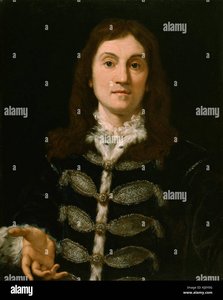
giovanni battista gariboldi
1833 - 1908 , Italy
Quick Facts
- Artistic Movement Or Style: Painting
- Artists Who Influenced This Artist: ['Jean-Baptiste Regnault],\n "Artists or movements influenced by this artist": ["First Empire"]\n}']
- Date Of Birth: 13 March 1774
- Date Of Death: 6 July 1833
- Full Name: Pierre-Narcisse Guérin
- Nationality: French
- Notable Artworks:
- Return of Marcus Sextus
- Phaedra and Hippolytus
- Andromache and Pyrrhus
- Aurora and Cephalus
- Place Of Birth: Paris, France