 Preview
 Send
Send Share
Share
 Details

 Download
 Similars
 X-Ray
X-Ray Diaporama
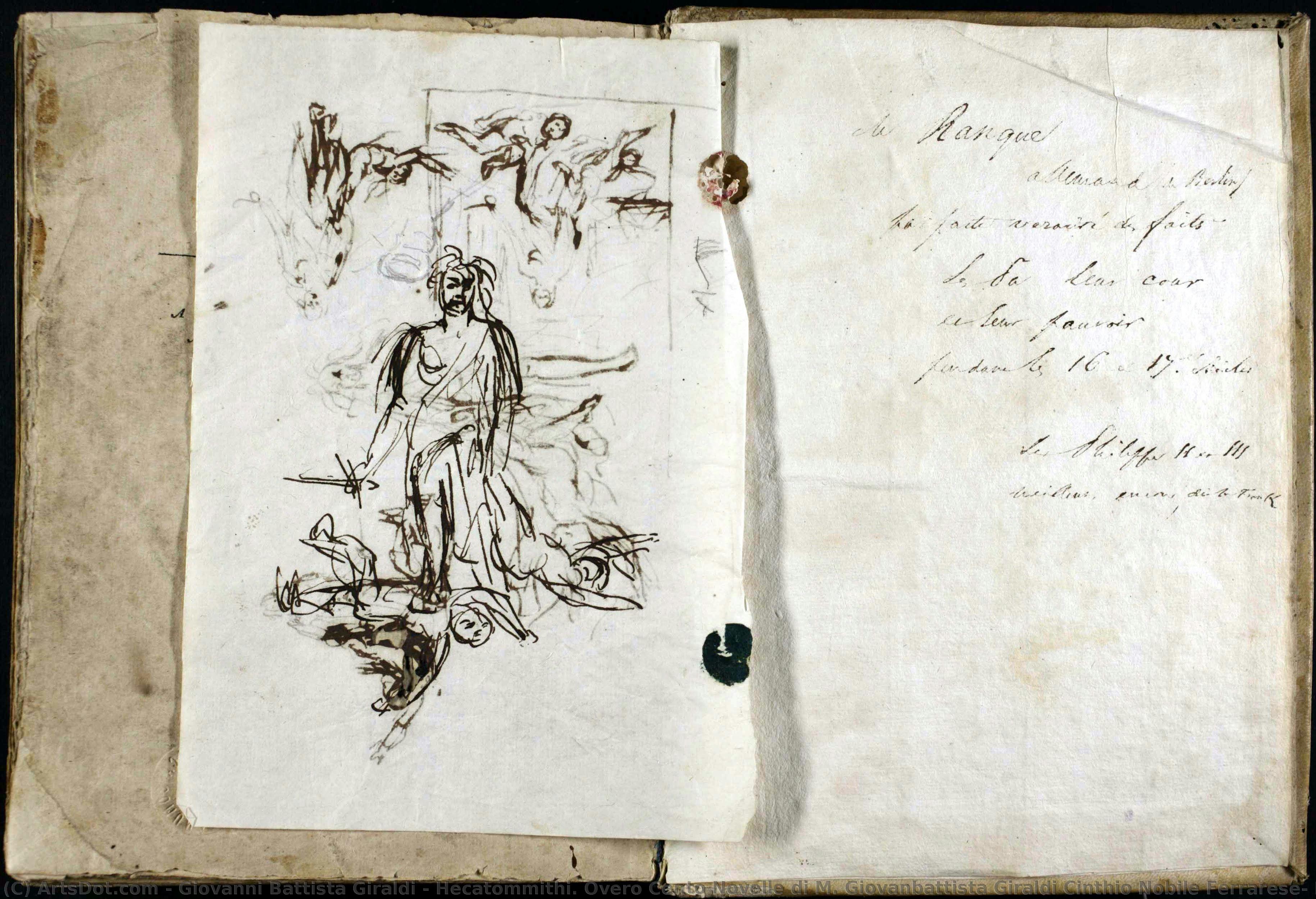
Hecatommithi. Overo Cento Novelle di M. Giovanbattista Giraldi Cinthio Nobile Ferrarese: Nelle quali, oltre le dilettevoli materie, si conoscono moralità utilissime a gli huomini per il ben vivere; & per destare altresì l

 Read More
Giclée / Art Print
Museum-quality giclée or canvas print with fast production and flexible finish options. ( Buy Hand Made Painting Buy Image)




































Pick from our preset sizes that match the artwork's original proportions.

You may enter your own dimensions to fit a specific frame or space. If your selected size does not match the original image's proportions, we will either crop the artwork or extend the image with a mirrored or solid-fill edge. A digital mockup will be sent for your approval before production begins.
Please note that the on-screen preview does not reflect the actual cropping or extension. Only the mockup will accurately show the final composition.
While custom sizes are available, we recommend selecting a dimension from the predefined list to preserve the original proportions.
Worldwide Delivery () in 2 weeks instead of standard 4/5 weeks. (27 August)

Free Worldwide Express Shipping

High-Quality Linen Canvas

Full Shipping Insurance

Customs Tax Refund Guarantee

True Color Matching Guarantee

60-Day Return Policy (Defects Only)

100% Money-Back Guarantee

Bulk Discount Offer
 Glass option is only available in size under 110 CM

Hecatommithi. Overo Cento Novelle di M. Giovanbattista Giraldi Cinthio Nobile Ferrarese: Nelle quali, oltre le dilettevoli materie, si conoscono moralità utilissime a gli huomini per il ben vivere; & per destare altresì l
Giclée / Art Print
Reproduction Size
-


Total Price
$ 63
Related Artworks




Artist Biography
Raphael: The Harmonious Master of Renaissance Florence
Raffaello Sanzio da Urbino, more commonly known as Raphael, remains one of the most beloved and influential figures in Western art history. Born in 1483 in Urbino, a city steeped in artistic tradition under the patronage of Federico da Montefeltro, Raphael’s life was tragically cut short at the age of thirty-seven, yet his impact on painting is immeasurable. His brief but brilliant career produced an astonishing body of work characterized by grace, harmony, and a profound understanding of human emotion – qualities that cemented his reputation as “the most divine painter” of his time.
Raphael’s early artistic development was profoundly shaped by the workshops of his father, Giovanni Santi, a court painter, and Andrea del Sarto, a leading Florentine master. He began his training at a young age, absorbing the techniques and stylistic influences of these influential figures. However, it was in Florence that Raphael truly blossomed, immersing himself in the vibrant artistic scene and encountering the works of Leonardo da Vinci and Michelangelo – artists whose genius would undoubtedly inform his own approach to painting. The influence of Leonardo is particularly evident in Raphael’s early portraits, characterized by a subtle sfumato technique and an emphasis on psychological realism.
His time in Florence proved pivotal, establishing him as a rising star within the artistic community. He quickly gained commissions for altarpieces and frescoes, demonstrating his versatility and burgeoning talent. The completion of works like “The Triumph of Galatea” (1504-1508) for the Palazzo Vecchio showcased his developing mastery of composition, color, and narrative storytelling – a hallmark of his style. This piece, with its dynamic movement and idealized figures, exemplifies Raphael’s ability to synthesize classical influences with Renaissance sensibilities.
The Vatican Years: A Peak of Artistic Achievement
Raphael's move to Rome in 1508 marked the beginning of a period of unparalleled artistic productivity. Pope Julius II commissioned him to decorate the papal apartments in the Vatican, a project that would define his career and establish his reputation as one of the foremost painters of the High Renaissance. The four large frescoes in the Stanza della Segnatura – “The School of Athens,” “The Disputation of the Holy Sacrament,” “The Triumph of God over Matter,” and “The Expulsion of Adam and Eve” – represent the culmination of Raphael’s artistic vision.
“The School of Athens,” in particular, is a masterpiece of composition and intellectual grandeur. It depicts a gathering of ancient philosophers and scientists, including Plato and Aristotle, arranged in a meticulously rendered architectural setting. The fresco brilliantly embodies the Renaissance ideal of humanism, celebrating reason, knowledge, and classical learning. Raphael’s ability to seamlessly integrate figures from antiquity with contemporary scholars created an iconic image that continues to inspire awe and admiration.
Alongside these monumental frescoes, Raphael produced numerous portraits, Madonnas, and religious scenes during his time in Rome. His “Madonna della Sapienza” (1509), housed in the Uffizi Gallery in Florence, is a prime example of his refined style – characterized by its serene beauty, delicate colors, and harmonious balance. His portraits, such as “Baldassare Castiglione,” are renowned for their psychological insight and subtle portrayal of character.
Technique and Style: A Synthesis of Influences
Raphael’s artistic style is often described as a synthesis of the influences he absorbed throughout his career. He skillfully blended the classical ideals of antiquity with the innovations of Leonardo da Vinci and Michelangelo, creating a uniquely harmonious and elegant aesthetic. His use of *disegno*, or drawing, was particularly meticulous, informing every aspect of his painting – from the careful rendering of drapery to the precise placement of figures.
Unlike the dramatic dynamism of Michelangelo’s work, Raphael favored a more balanced and restrained approach. He sought to achieve visual harmony through careful composition, subtle color gradations, and a refined sense of perspective. His paintings are imbued with a sense of serenity and grace, reflecting his belief in the inherent beauty of the human form and the power of art to uplift the soul.
Raphael’s mastery of *chiaroscuro* – the use of light and shadow – further enhanced the expressive quality of his paintings. He skillfully employed subtle gradations of tone to create a sense of depth, volume, and atmosphere, drawing the viewer's eye to key elements within the composition.
Legacy and Historical Significance
Despite his untimely death in 1520 at the age of thirty-seven, Raphael’s legacy endures as one of the greatest artists of all time. His works have been widely imitated and studied for centuries, influencing generations of painters. His emphasis on beauty, harmony, and humanism continues to resonate with audiences today.
Raphael's influence extends beyond his individual paintings. He helped establish a new standard of artistic excellence in the Renaissance, shaping the course of Western art history. His work served as a model for artists throughout Europe, contributing to the development of Mannerism and paving the way for future generations of painters. His impact is still felt today, reminding us of the enduring power of beauty and the transformative potential of art.
Raphael’s contributions are particularly significant in the context of his era. He embodied the ideals of the High Renaissance – a period marked by renewed interest in classical antiquity, humanism, and scientific inquiry. His paintings reflect this spirit of intellectual curiosity and artistic innovation, solidifying his place as a pivotal figure in the history of art.
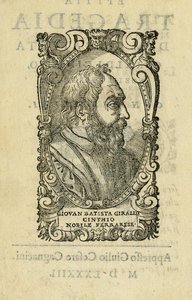
giovanni battista giraldi
1504 - 1573 , Italy
Quick Facts
- Artistic Movement Or Style: High Renaissance
- Artists Or Movements Influenced By This Artist:
- Roman High Renaissance
- Italian Renaissance
- Artists Who Influenced This Artist:
- Leonardo da Vinci
- Michelangelo
- Date Of Birth: March 28, 1483
- Date Of Death: April 6, 1520
- Full Name: Raphael Sanzio
- Nationality: Italian
- Notable Artworks:
- The School of Athens
- Sistine Madonna
- The Raphael Rooms
- Place Of Birth: Urbino, Italy