 Preview
 Send
Send Share
Share
 Details

 Download
 Similars
 X-Ray
X-Ray Diaporama
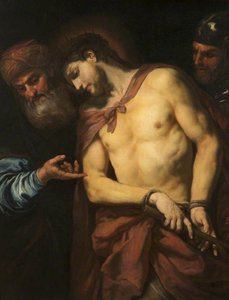
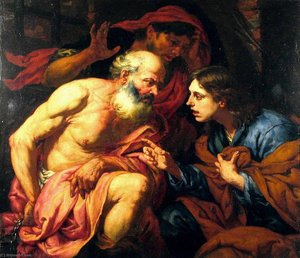
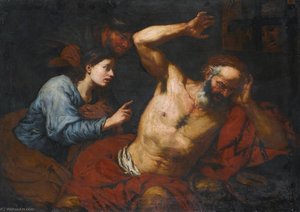
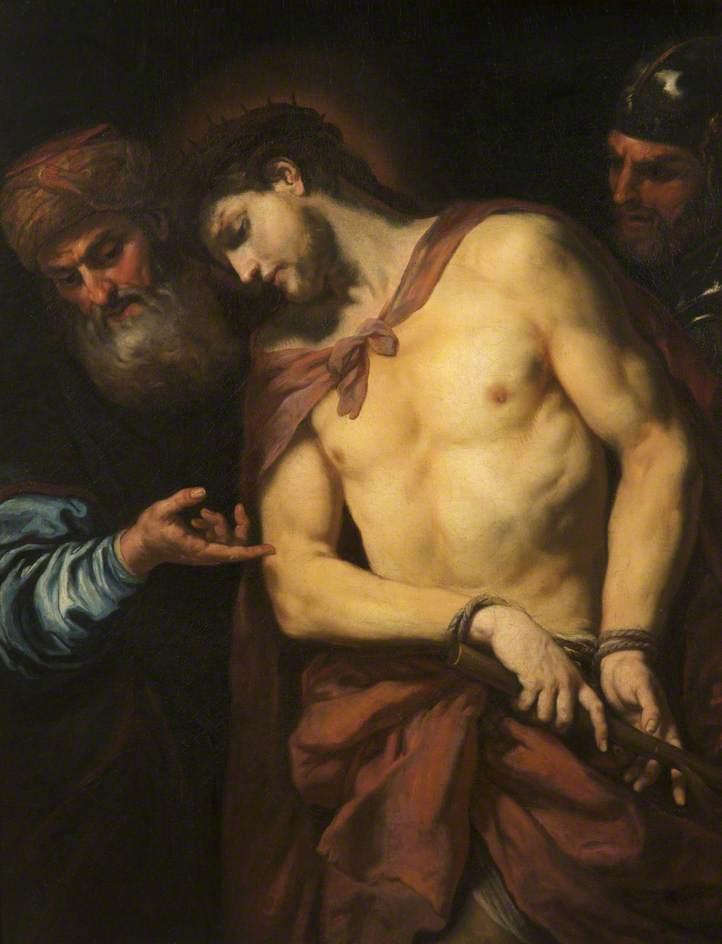
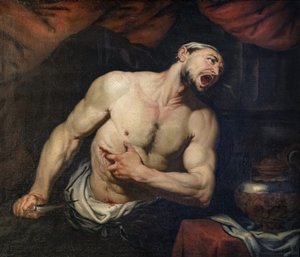
Ecce Homo
 1660
1660 124.0 x 97.0 cm
 Bolton Museum And Art Gallery
 Read More
Hand Made Oil Reproduction
Hand-painted oil on canvas in your size and frame, made to order by our artists. ( Buy Print Buy Image)




































Pick from our preset sizes that match the artwork's original proportions.

You may enter your own dimensions to fit a specific frame or space. If your selected size does not match the original image's proportions, we will either crop the artwork or extend the painting with additional hand-painted elements. A digital mockup will be sent for your approval before production begins.
Please note that the on-screen preview does not reflect the actual cropping or extension. Only the mockup will accurately show the final composition.
While custom sizes are available, we recommend selecting a dimension from the predefined list to preserve the original proportions.
After order, ArtsDot.com team will email client for instructions and provide a mockup preview
Worldwide Delivery () in 3/4 weeks instead of standard 5 weeks. (17 August). No compromise on quality.

Free Worldwide Express Shipping

High-Quality Linen Canvas

Full Shipping Insurance

Customs Tax Refund Guarantee

True Color Matching Guarantee

60-Day Return Policy (Defects Only)

100% Money-Back Guarantee

Bulk Discount Offer
 Glass option is only available in size under 110 CM

Ecce Homo
Reproduction Medium
Reproduction Size
-


Total Price
$ 263
Related Artworks

Artist Biography
The Dramatic Voice of Venetian Caravaggismo
Giovanni Battista Langetti stands as a pivotal figure in the Venetian Baroque, embodying the fervor and theatricality of Caravaggesque painting while simultaneously forging his own distinctive artistic vision. Born in Genoa in 1635, Langetti’s early training was shaped by exposure to prominent masters such as Assereto and Pietro da Cortona, whose stylistic principles provided him with a foundational mastery of form and composition. His formative years were further enriched by the mentorship of Giovanni Francesco Cassana, a period that honed his artistic sensibilities and prepared him for the competitive and vibrant art scene of Italy. However, it was Venice itself that truly captivated him, becoming the epicenter of his prolific career and providing the perfect stage for his exploration of light and shadow.
By the 1650s, Langetti had established himself within the Venetian landscape, swiftly adopting a strikingly Caravaggesque style. This approach was defined by tenebrism—a dramatic interplay of intense light and deep, enveloping shadows—and an uncompromising commitment to realism. For Langetti, this stylistic choice was far more than mere imitation of Caravaggio; it was a deliberate embrace of expressive power, used to translate profound human emotions onto the canvas. His work became a bridge between the gritty naturalism of the early 17th century and the grander, more theatrical flourishes of the late Baroque period.
Mastery of Narrative and Emotional Depth
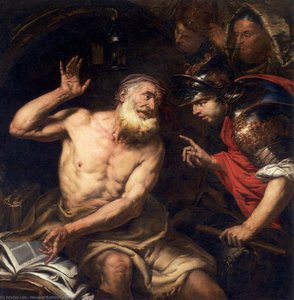
The true brilliance of Langetti’s oeuvre lies in his ability to breathe life into biblical narratives and historical subjects, imbuing them with a psychological depth that resonates across centuries. He excelled at portraying figures caught in moments of extreme tension or spiritual crisis. In works such as Diogenes & Alexander, Langetti captures the legendary clash between philosophical wisdom and imperial power through breathtaking precision and theatrical lighting. His ability to manipulate texture and light allows the viewer to feel the weight of the historical moment, making the ancient past feel immediate and visceral.
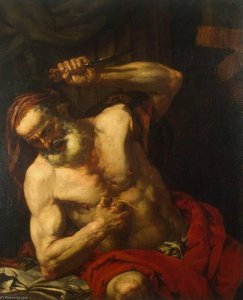
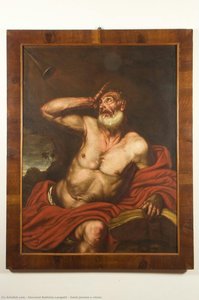
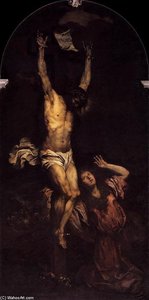
This mastery of drama is equally evident in his religious compositions, where he explores themes of suffering, devotion, and faith. In Mary Magdalene at the Foot of the Cross, the artist utilizes the stark contrasts of the Caravaggesque tradition to highlight the raw emotion of the subject, creating a powerful meditation on grief and piety. Even in more singular character studies, such as his depiction of Cato, Langetti employs intense realism and rich, saturated colors to convey the internal struggles of his subjects. His technique ensures that every brushstroke contributes to the overarching narrative of human experience.
Legacy and Artistic Significance
Langetti’s contribution to the Venetian school of painting remains a significant chapter in the history of Italian art. While he operated within the established traditions of his time, his unique ability to blend Genoese training with Venetian colorism and Caravaggesque drama created a legacy of emotional intensity. His work serves as a testament to the enduring power of the Baroque era—a period where the boundaries between the painted image and the lived experience were blurred through the masterful use of light.
Today, Langetti is remembered not just as a follower of style, but as an innovator who helped define the dramatic vocabulary of his age. His paintings continue to captivate audiences, offering a window into a world of profound shadows and brilliant highlights, where every figure tells a story of triumph, tragedy, or quiet contemplation.
giovanni battista langetti
1635 - 1676 , Italy
Quick Facts
- Artistic Movement Or Style: Venetian Baroque
- Artists Or Movements Influenced By This Artist:
- Johann Karl Loth
- Antonio Zanchi
- Artists Who Influenced This Artist:
- Assereto
- Pietro da Cortona
- Giovanni Francesco Cassana
- Date Of Birth: 1635
- Full Name: Giovanni Battista Langetti
- Nationality: Italian
- Notable Artworks:
- Diogenes & Alexander
- Joseph Interpreting the Baker’s Dream
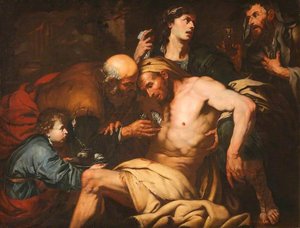
- The good samaritan
- Place Of Birth: Genoa, Italy