

 Preview
 Send
Send Share
Share
 Details

 Download
 Similars
 X-Ray
X-Ray Diaporama
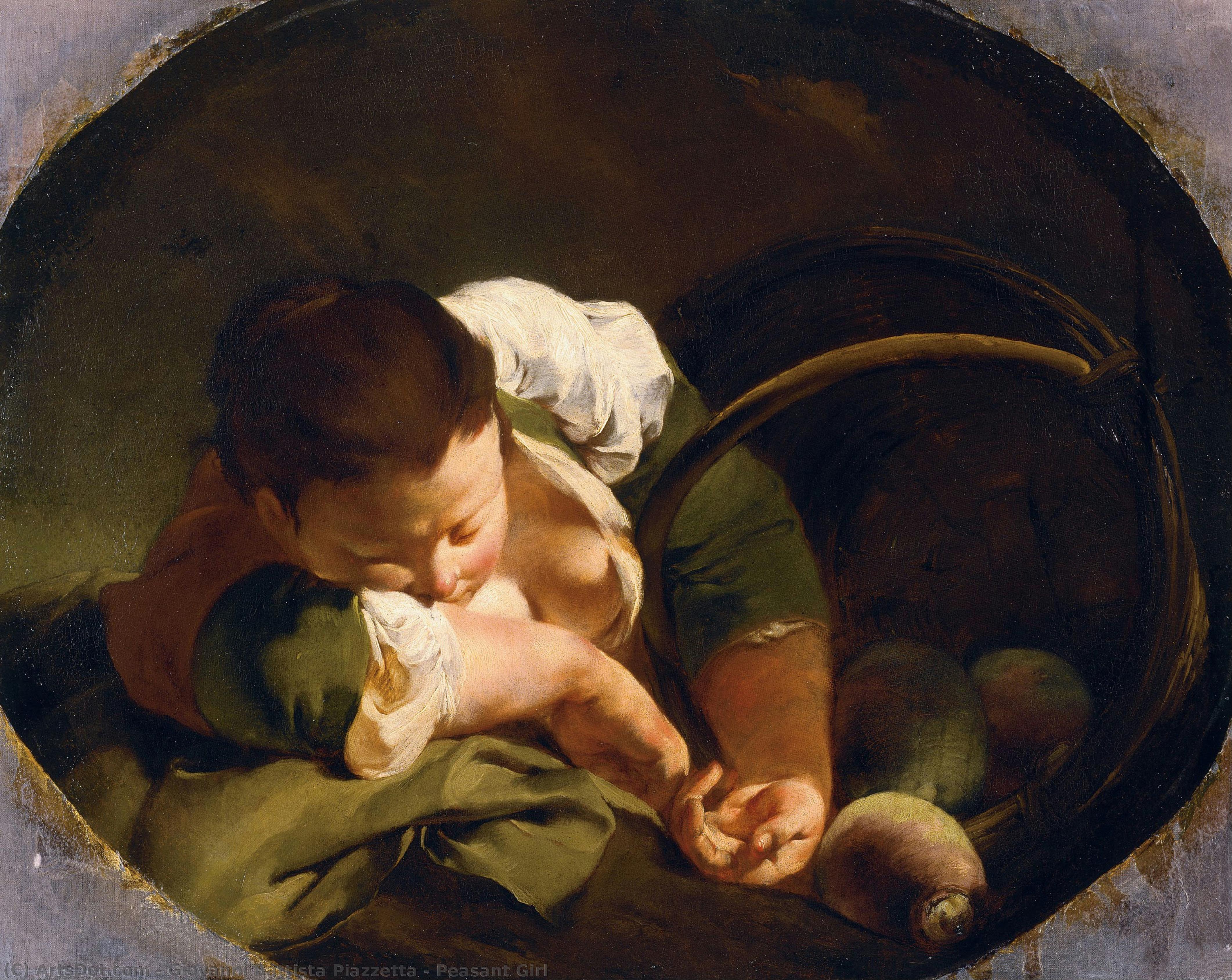
Peasant Girl
 Oil On Canvas
- WallArt
- Baroque realism
 Renaissance
 82.0 x 66.0 cm
 Резиденцгалерея Зальцбург
 Read More
Purchase a high-resolution, enhanced digital image, far superior to the online preview.
Each file is meticulously prepared by our in-house specialists using advanced tools and expert manual retouching. We ensure every image has exceptional clarity, precise color accuracy, and fine detail.
The final file is delivered via email within 72 hours, optimized for immediate use in professional, editorial, and print environments. This is the same quality trusted by top-tier design studios, publishers, and galleries.
Digital Image
Download a high-resolution file for personal display, printing, and creative projects. ( Buy Print Buy Hand Made Painting)
Included in Every Digital Image Order
Expert Digital Delivery, Guaranteed
When you choose ArtsDot.com, you're not just getting an image - you're receiving a professionally enhanced digital artwork, crafted with precision and backed by a satisfaction guarantee. Here's everything that comes with your order, automatically:

Fast Email Delivery
Your high-resolution digital image file will be emailed to you within 72 hours of ordering - ready for immediate use.

AI-Enhanced Digital File
Your artwork is professionally optimized using advanced AI tools and manual editing, ensuring maximum detail, clarity, and color accuracy.

Free Lifetime Re-Delivery
Accidentally deleted or lost your file? No worries - we'll resend it to you anytime, free of charge.

No Import Fees - Ever
Enjoy your artwork instantly with zero customs, duties, or delivery fees - digital downloads are always tax-free.

Color Accuracy Guarantee
We ensure your digital image reflects the original colors as closely as possible using professional tools and color management.

60-Day Satisfaction Guarantee
If you're not satisfied with your digital image, we'll revise it or refund 100% within 60 days - no questions asked.

100% Money-Back Guarantee
Not satisfied? Get a full refund within 60 days of receiving your digital file - no questions asked.

Bulk Order Discounts
Buy 3 images, save 10% - Buy 5, save 15% - Buy 10+, save 20%. Great for creative projects, galleries, and agencies.
Collectible Description
A Moment of Quietude: Piazzetta's "Peasant Girl"
Giovanni Battista Piazzetta’s “Peasant Girl,” a captivating portrait measuring 82 x 66 cm, offers a poignant glimpse into the everyday life of early 18th-century Italy. Painted around 1740, this work transcends a simple depiction of a nursing mother; it's a carefully constructed tableau brimming with subtle symbolism and reflecting the artistic currents that shaped Piazzetta’s distinctive style. The painting’s genesis lies in his formative years, beginning with his father’s sculpting instruction and progressing through studies with Antonio Molinari before a pivotal period spent absorbing the lessons of Giuseppe Maria Crespi in Bologna. This Bolognese sojourn proved instrumental, imbuing Piazzetta with an understanding of realistic chiaroscuro – the dramatic interplay of light and shadow – that would become a hallmark of his oeuvre, directly influenced by the masterful Caravaggio.
- Subject & Composition: The central figure, a young woman cradling a baby, immediately evokes themes of motherhood, fertility, and domesticity. Her posture is relaxed yet alert, conveying a sense of quiet dignity and vulnerability. The inclusion of the basket – laden with what are likely apples – adds to the scene’s narrative richness, suggesting sustenance and abundance.
- Technical Mastery: Piazzetta's brushwork demonstrates a remarkable command of technique. Notice the delicate rendering of the woman’s hair, cascading naturally over her shoulder, and the subtle modeling of her form. The dark background intensifies the luminosity of the figure, creating a dramatic effect characteristic of Caravaggio’s influence.
The Influence of Crespi and Bolognese Genre Painting
Piazzetta's encounter with Giuseppe Maria Crespi in Bologna was transformative. Crespi was renowned for his genre paintings – scenes depicting the lives of ordinary people, often imbued with psychological depth and a keen observation of human nature. This influence is palpable in “Peasant Girl,” where Piazzetta moves beyond mere portraiture to create a believable and engaging representation of daily life. The dark room itself contributes significantly to the painting’s atmosphere, fostering an intimate and somewhat mysterious mood – a deliberate choice that enhances the viewer's connection with the subject.
The scattered apples are not merely decorative; they carry symbolic weight. In Renaissance art, apples frequently represent temptation, knowledge, or even paradise. Here, their presence might allude to the bounty of nature and the nurturing role of the mother, but also hints at a potential vulnerability – a reminder of the precariousness of life.
Historical Context & Artistic Significance
"Peasant Girl" was created during a period of significant artistic change in Italy. While Venetian painting continued to flourish under artists like Tiepolo, Bologna was experiencing a vibrant scene of genre painters who sought to capture the realities of everyday life with unprecedented realism. Piazzetta’s work exemplifies this shift, blending Venetian influences with the lessons he learned in Bologna to create a unique and compelling artistic voice. The painting's date remains uncertain, adding to its allure and prompting speculation about its precise place within Piazzetta’s evolving career.
Emotional Impact & Reproduction Possibilities
This artwork possesses a remarkable ability to evoke empathy and contemplation. The woman’s serene expression and the vulnerability of the infant create a powerful emotional connection with the viewer. ArtsDot offers meticulously crafted hand-painted reproductions of “Peasant Girl,” allowing you to experience the beauty and depth of Piazzetta's masterpiece in your own space. Our skilled artisans employ traditional techniques, faithfully recreating every detail – from the subtle nuances of light and shadow to the delicate texture of the woman’s clothing – ensuring a stunningly authentic representation that will grace any interior with timeless elegance.
Related Artworks
Artist Biography
Early Life and Artistic Formation in Venice
Giovanni Battista Piazzetta, born in Venice on February 13th, either in 1682 or 1683 – records from the period are somewhat ambiguous – emerged into a city steeped in artistic tradition yet undergoing subtle shifts in taste. His father, Giacomo Piazzetta, was a sculptor, and young Giovanni’s initial training took place within this familial workshop, fostering an early appreciation for form and craftsmanship through wood carving. However, his path soon diverged towards painting, beginning studies with Antonio Molinari in 1697. This foundational period instilled the basics of technique, but it was Piazzetta's sojourn to Bologna between 1703 and 1705 that proved truly transformative. There, he absorbed the lessons of Giuseppe Maria Crespi, a master known for his genre scenes depicting everyday life with remarkable realism and psychological depth. This exposure would become a defining characteristic of Piazzetta’s own evolving style. The Bolognese influence instilled in him a fascination with capturing the humanity of ordinary people, a sensibility that set him apart from many of his Venetian contemporaries who favored grand historical or mythological narratives.A Unique Rococo Voice: Style and Influences
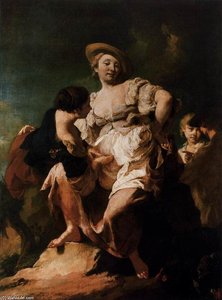
Piazzetta’s artistic voice is often categorized within the Rococo movement, yet he occupies a somewhat singular position within it. While embracing the period's emphasis on elegance and decorative flourishes, his work possesses a depth of emotional resonance and a chiaroscuro intensity that distinguishes him from more purely ornamental painters. He was celebrated for his use of warm, rich colors – deep reds, ochres, and browns – creating an atmosphere of both intimacy and mystery. His paintings are not merely visually appealing; they invite contemplation. The artist’s ability to imbue religious subjects with a palpable sense of human drama was particularly noteworthy. He frequently depicted peasantry, elevating them to positions of dignity and spiritual significance within his compositions. This wasn't simply a matter of realism; it reflected a genuine empathy for the lives of common people. The “Soothsayer,” now housed in the Gallerie dell’Accademia in Venice, exemplifies this perfectly. The painting’s power lies not in elaborate detail but in the subtle gestures and expressions of the figures, hinting at unseen anxieties and profound inner turmoil. While acknowledging the luminosity and brilliance of artists like Tiepolo – a dominant figure in Venetian art during this period – Piazzetta charted his own course, exploring darker, more introspective themes that Tiepolo largely avoided.Notable Works and Artistic Range
Piazzetta’s oeuvre is remarkably diverse, encompassing religious paintings such as “Ecstasy of St Francis,” “St Anthony of Padua,” “St Gaetano,” and “Guardian Angel.” These works demonstrate his mastery of composition and his ability to convey spiritual fervor through expressive figures and dramatic lighting. However, limiting him solely to religious subjects would be a disservice. His range extended significantly into genre scenes, depicting everyday life with an acute observational eye and a keen understanding of human psychology. This willingness to explore a broader spectrum of topics distinguished him from many of his peers. He wasn’t afraid to portray the complexities of human existence, even in seemingly mundane settings. The artist's compositions often feature carefully arranged groups of figures, creating dynamic narratives that draw the viewer into the scene. His attention to detail – the texture of fabrics, the play of light on faces – adds a layer of realism and immediacy to his work.Later Life, Teaching, and Lasting Legacy
In 1750, Piazzetta reached a pinnacle in his career when he was appointed as the first director of the newly founded Accademia di Belle Arti di Venezia. This appointment underscored his standing within the Venetian art world and provided him with a platform to nurture the next generation of artists. He devoted his final years to teaching, imparting his knowledge and artistic principles to aspiring painters. In 1727, he was elected a member of the prestigious Bolognese Accademia Clementina, further solidifying his reputation as a leading figure in Italian art. Piazzetta’s influence on Venetian painting extended beyond his direct students. His emphasis on emotional depth and psychological realism paved the way for later artists who sought to move beyond purely decorative styles. While perhaps not as widely celebrated during his lifetime as some of his contemporaries, his work has experienced a resurgence in recent years, with scholars recognizing his unique contribution to the Rococo movement and his enduring ability to capture the complexities of the human condition. His paintings continue to captivate viewers with their warmth, drama, and profound sense of mystery.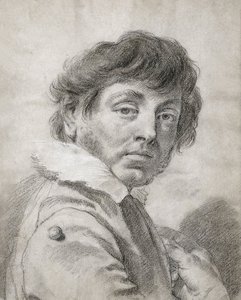
giovanni battista piazzetta
1715 - 1754 , Italy
Quick Facts
- Artistic Movement Or Style: Rococo
- Artists Who Influenced This Artist:
- G.M. Crespi
- Antonio Molinari
- Date Of Birth: 1682 or 1683
- Date Of Death: 1754
- Full Name: Giovanni Battista Piazzetta
- Nationality: Italian
- Notable Artworks:
- Ecstasy of St Francis
- St Anthony of Padua
- St Gaetano
- Guardian Angel
- The Soothsayer
- Place Of Birth: Venice, Italy

