 Preview
 Send
Send Share
Share
 Details

 Download
 Similars
 X-Ray
X-Ray Diaporama
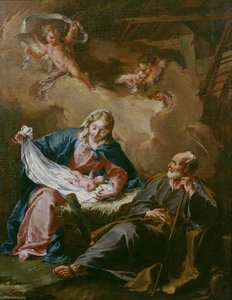
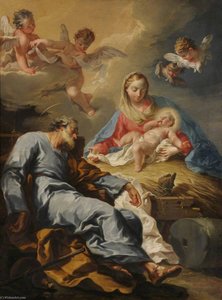
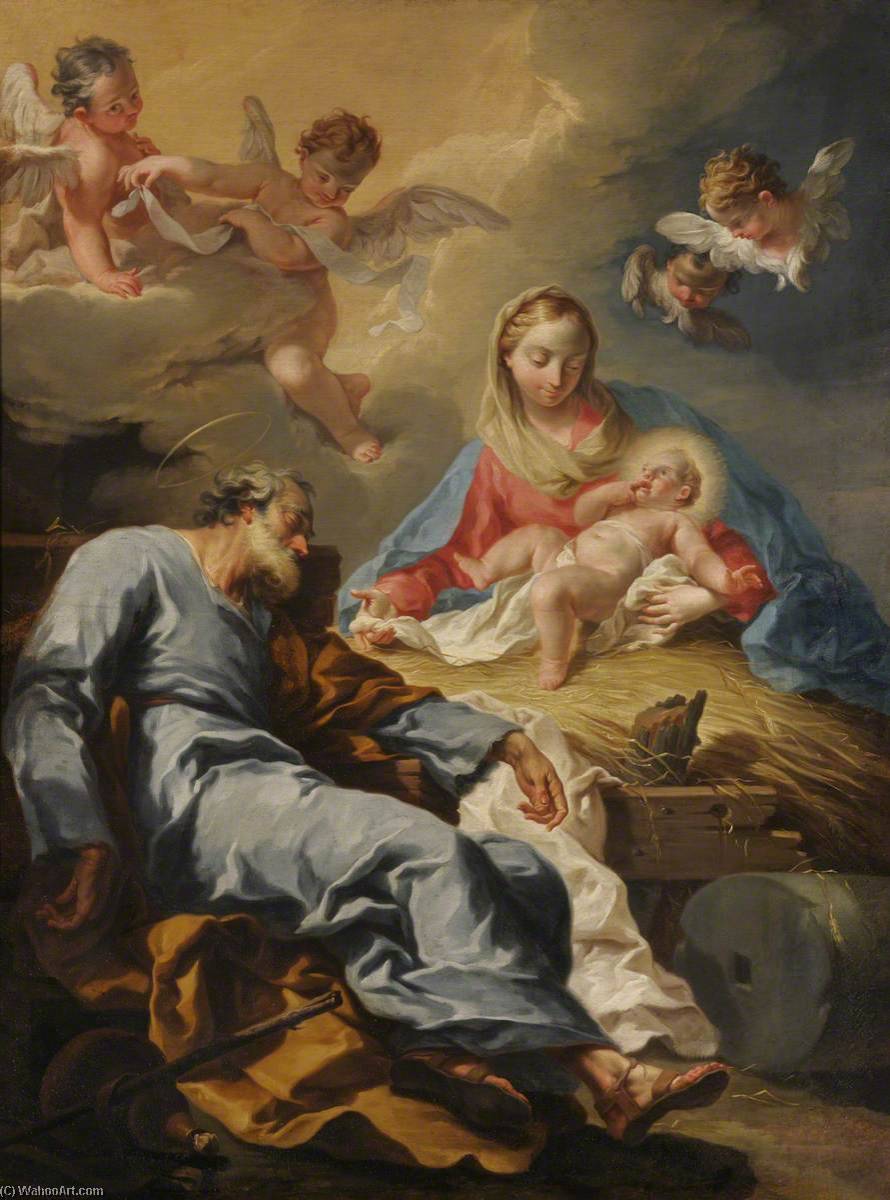
Presepio
 1720
1720 222.0 x 160.0 cm
 Sidney Sussex College
 Read More
Giclée / Art Print
Museum-quality giclée or canvas print with fast production and flexible finish options. ( Buy Hand Made Painting Buy Image)




































Pick from our preset sizes that match the artwork's original proportions.

You may enter your own dimensions to fit a specific frame or space. If your selected size does not match the original image's proportions, we will either crop the artwork or extend the image with a mirrored or solid-fill edge. A digital mockup will be sent for your approval before production begins.
Please note that the on-screen preview does not reflect the actual cropping or extension. Only the mockup will accurately show the final composition.
While custom sizes are available, we recommend selecting a dimension from the predefined list to preserve the original proportions.
Worldwide Delivery () in 2 weeks instead of standard 4/5 weeks. (24 August)

Free Worldwide Express Shipping

High-Quality Linen Canvas

Full Shipping Insurance

Customs Tax Refund Guarantee

True Color Matching Guarantee

60-Day Return Policy (Defects Only)

100% Money-Back Guarantee

Bulk Discount Offer
 Glass option is only available in size under 110 CM

Presepio
Giclée / Art Print
Reproduction Size
-


Total Price
$ 63
Collectible Description
A Brief Overview of the Artist
Giovanni Battista Pittoni The Younger was a prominent figure in the Venetian art scene during the 18th century. He was known for his exceptional skill in creating stunning paintings that showcased his mastery of color, composition, and technique. As a leading artist of his time, Pittoni received numerous commissions from esteemed clients across Europe, including royalty and nobility.The Painting "Presepio"
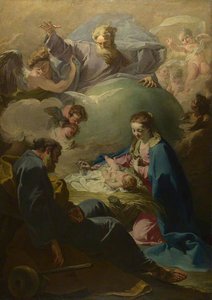
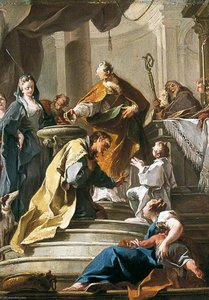
The painting "Presepio" is a stunning example of Pittoni's artistic prowess. The scene depicts the Virgin Mary holding the baby Jesus, surrounded by angels and other figures. The use of soft, golden light and delicate colors creates a sense of serenity and tranquility, drawing the viewer into the intimate moment. The level of detail and realism achieved in this painting is truly remarkable, showcasing Pittoni's exceptional skill as an artist.- The painting features a range of symbolic elements, including the angels, which represent the divine presence.
- The use of color and light creates a sense of depth and dimensionality, adding to the overall impact of the painting.
- The level of detail and realism achieved in this painting is truly remarkable, showcasing Pittoni's exceptional skill as an artist.
The painting "Presepio" is a testament to the enduring power of art to inspire and captivate audiences. As a masterpiece of 18th-century Venetian art, it continues to be celebrated and admired by art lovers around the world.
Related Artworks










Artist Biography
The Luminous Legacy of Giovanni Battista Pittoni the Younger
In the grand, theatrical tapestry of the Italian Baroque, few threads shine with as much vibrant intensity as those woven by Giovanni Battista Pittoni the Younger. Born in Modena in 1687, Pittoni emerged as a pivotal figure whose brushwork bridged the gap between the rigorous traditions of the Bolognese school and the burgeoning opulence of the Venetian Rococo. His artistic journey, shaped significantly by the early tutelage of Giuseppe Cibernetti, was rooted in a profound respect for classical ideals and meticulous technique. Yet, Pittoni was far from a mere imitator of the past; he possessed an extraordinary ability to infuse historical and religious narratives with a sense of breathing, pulsating life that captivated the European nobility and clergy alike.
What truly distinguished Pittoni from his contemporaries was his revolutionary approach to color theory. While many artists of the era found solace in muted palettes and subtle chiaroscical shading, Pittoni sought the light. By meticulously studying the works of masters such as Rubens and Rembrandt, he developed a technique characterized by unprecedented luminosity and a bold, scientific application of pigment. His masterful manipulation of ultramarine, in particular, became a hallmark of his style, elevating his canvases to new heights of visual splendor. This dedication to color allowed him to transform even the most solemn biblical scenes into radiant spectacles of light and emotion.
Mastery of Narrative and Divine Emotion
The oeuvre of Pittoni is a profound exploration of the human and the divine, primarily focused on biblical narratives and mythological allegories that reflected the intellectual and spiritual climate of the 18th century. His works are never merely static depictions; they are dramatic compositions designed to evoke an immediate emotional response. In masterpieces such as Presepio, created in 1720, one can witness his ability to use soft, golden light and delicate hues to create a sense of profound serenity. Through the depiction of the Virgin Mary and the infant Jesus, surrounded by celestial beings, he achieved a level of intimacy that draws the viewer into a sacred, quiet moment of grace.
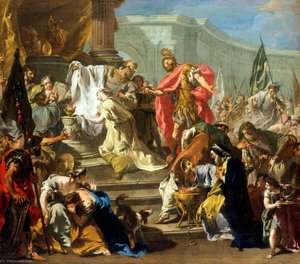
This capacity for drama is equally evident in his more intense compositions, such as The Sacrifice of Jephtha's Daughter. Here, Pittoni utilizes rich colors and dynamic movement to convey the weight of tragic emotion and the complexity of human sacrifice. His ability to balance the heavy themes of his subject matter with an aesthetic of elegance and beauty is perhaps his greatest technical achievement. Whether painting the Holy Family with angelic warmth or exploring the intricate details of mythological legends, Pittoni maintained a remarkable consistency in his ability to make the extraordinary feel tangibly present.
A Career of Distinction and Enduring Influence
The historical significance of Giovanni Battista Pittoni the Younger lies not only in his technical innovations but also in the prestigious circle of patrons he commanded. His reputation as a premier colorist and storyteller earned him commissions from some of the most influential figures of the age, including Cardinal Alessandro Farnese and Pope Benedict XIV. These high-profile engagements allowed him to execute ambitious projects that left an indelible mark on the art scenes of both Venice and Bologna, securing his place as a leading light of the Italian Baroque.
As the 18th century progressed, Pittoni’s influence helped shape the transition toward the more decorative and airy sensibilities of the Rococo period. His legacy is defined by several key contributions to the art world:
- Technical Innovation: The groundbreaking use of vibrant pigments and light to revolutionize Baroque painting.
- Narrative Depth: The transformation of traditional religious and mythological themes into emotionally resonant, theatrical experiences.
- Cultural Impact: Serving as a bridge between the classical Bolognese tradition and the expressive Venetian style, influencing generations of Italian painters.
Today, the works of Pittoni continue to inspire awe, standing as testaments to an era where art was used to capture the very essence of the divine through the medium of light and color.
giovanni battista pittoni the younger
1687 - 1767
Quick Facts
- Artistic Movement Or Style: Baroque Painting
- Artists Or Movements Influenced By This Artist: ['Nicolas Poussin']
- Artists Who Influenced This Artist:
- Peter Paul Rubens
- Gian Lorenzo Bernini
- Date Of Death: 1767
- Full Name: Giovanni Battista Pittoni the Younger
- Nationality: Italian
- Notable Artworks:
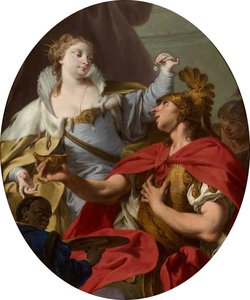
- Solomon and the Queen of Sheba
- Adoration of the Shepherds
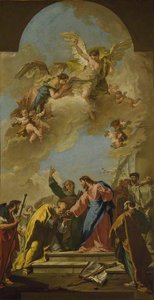
- Christ's Charge to St Peter
- Place Of Birth: Modena, Italy