 Preview
 Send
Send Share
Share
 Details

 Download
 Similars
 X-Ray
X-Ray Diaporama
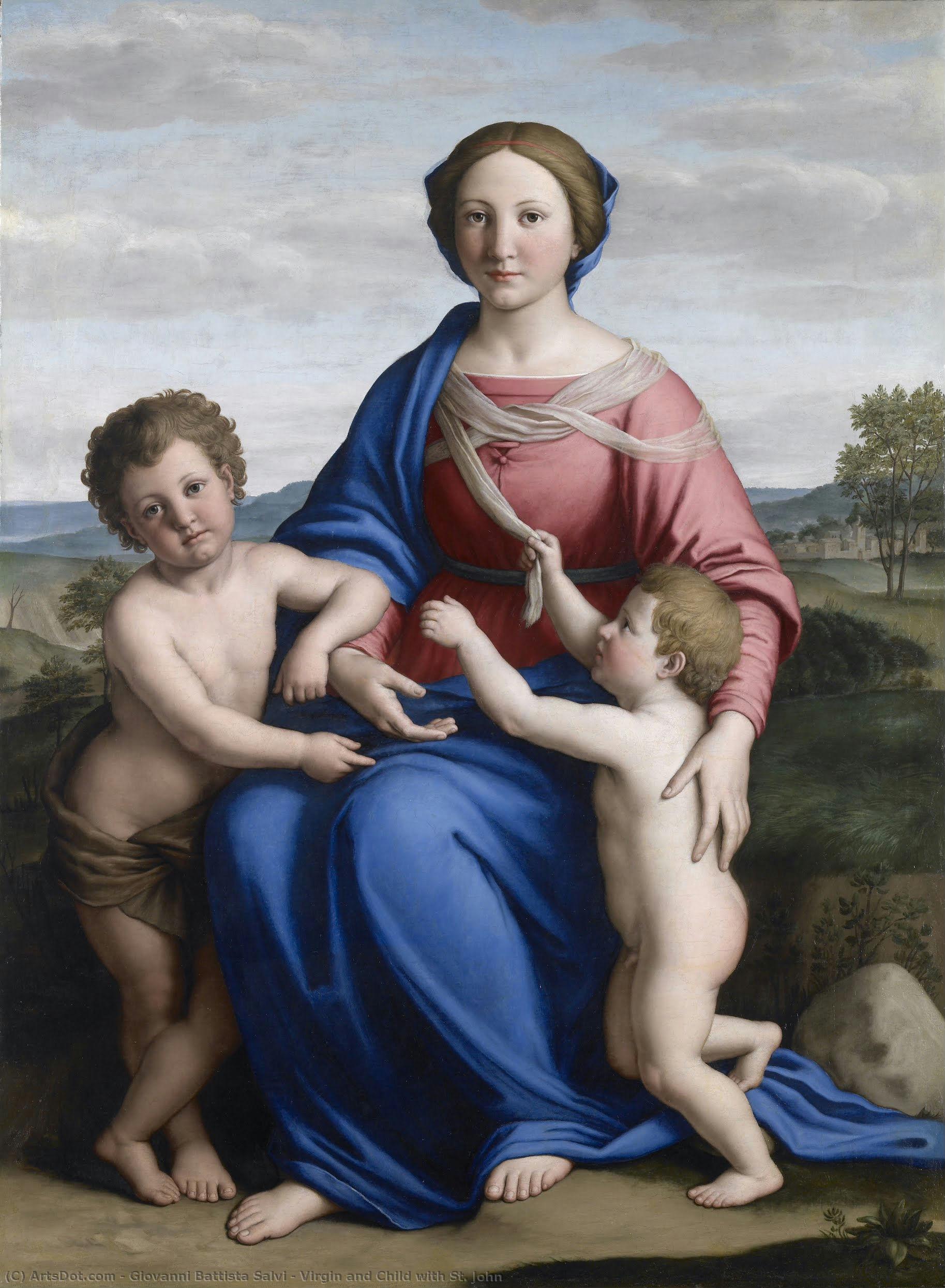
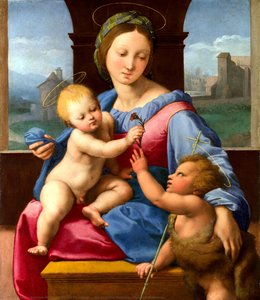
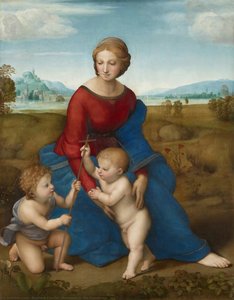
Virgin and Child with St. John

 Read More
Hand Made Oil Reproduction
Hand-painted oil on canvas in your size and frame, made to order by our artists. ( Buy Print Buy Image)




































Pick from our preset sizes that match the artwork's original proportions.

You may enter your own dimensions to fit a specific frame or space. If your selected size does not match the original image's proportions, we will either crop the artwork or extend the painting with additional hand-painted elements. A digital mockup will be sent for your approval before production begins.
Please note that the on-screen preview does not reflect the actual cropping or extension. Only the mockup will accurately show the final composition.
While custom sizes are available, we recommend selecting a dimension from the predefined list to preserve the original proportions.
After order, ArtsDot.com team will email client for instructions and provide a mockup preview
Worldwide Delivery () in 3/4 weeks instead of standard 5 weeks. (28 August). No compromise on quality.

Free Worldwide Express Shipping

High-Quality Linen Canvas

Full Shipping Insurance

Customs Tax Refund Guarantee

True Color Matching Guarantee

60-Day Return Policy (Defects Only)

100% Money-Back Guarantee

Bulk Discount Offer
 Glass option is only available in size under 110 CM

Virgin and Child with St. John
Reproduction Medium
Reproduction Size
-


Total Price
$ 263
Related Artworks




Artist Biography
Giovanni Battista Salvi da Sassoferrato: A Master of Archaic Grace
Giovanni Battista Salvi, better known as Sassoferrato (1609-1685), was a prominent Italian Baroque painter celebrated for his deliberate and profound engagement with the artistic legacy of Raphael. Born in Sassoferrato, Italy, he developed a distinctive style characterized by elegant compositions, meticulous detail, and a palpable sense of serenity that set him apart from many of his contemporaries within the more dramatic Baroque movement.
Early Life, Training, and Influences
- Early Years: Details regarding Salvi's early life remain somewhat obscure. It is believed he received initial artistic training in his native Sassoferrato before relocating to Rome, a pivotal center for artistic innovation during the 17th century.
- Raphael’s Shadow: The most significant influence on Salvi’s work was undoubtedly Raphael (1483-1520). Rather than embracing the dynamic movement and theatricality often associated with Baroque art, Salvi consciously chose to emulate Raphael's classical grace, compositional clarity, and idealized forms. This "archaizing" tendency—a return to earlier artistic models—was not uncommon in certain circles during this period.
- Other Influences: While Raphael was paramount, Salvi likely absorbed influences from other Italian masters of the High Renaissance as well, contributing to his refined aesthetic.
Development and Artistic Style
Salvi’s artistic development can be seen as a consistent refinement of his distinctive style. He avoided the intense contrasts of light and shadow (chiaroscuro) favored by many Baroque painters like Caravaggio, opting instead for a softer, more diffused lighting that enhanced the sense of tranquility in his works. His compositions are typically balanced and harmonious, with figures arranged in elegant poses within carefully constructed settings.
- Subject Matter: Salvi primarily focused on religious subjects, particularly depictions of the Madonna and Child, scenes from the life of Christ, and portraits.
- Technical Skill: He demonstrated exceptional technical skill in rendering textures – the delicate folds of drapery, the smoothness of skin, and the sheen of fabrics are all meticulously portrayed. His attention to detail is remarkable, contributing to the overall sense of realism within his idealized compositions.
- Color Palette: Salvi favored a restrained color palette, often employing soft blues, pinks, and golds to create a harmonious and pleasing visual effect.
Major Works and Achievements
- The Holy Family: A prime example of his mastery of composition and color harmony, showcasing the tenderness and intimacy within the sacred family unit.
- Madonna at Prayer: Captures a profound sense of devotion and introspection through subtle gestures and expressions.
- Portrait of Monsignor Ottaviano Prati: Demonstrates Salvi’s skill in portraiture, conveying not only physical likeness but also the subject's character and status.
- The Mystic Marriage of St. Catherine: A complex composition blending religious symbolism with graceful figures.
Historical Significance and Legacy
Giovanni Battista Salvi da Sassoferrato occupies a unique position within the Baroque era. While many of his contemporaries embraced dramatic innovation, Salvi championed a return to classical ideals, demonstrating that beauty and serenity could still be powerful artistic forces. His deliberate emulation of Raphael earned him both admiration and criticism during his lifetime; some considered him overly derivative, while others recognized his exceptional talent for capturing the essence of Renaissance grace. Today, Sassoferrato is increasingly appreciated for his distinctive style and contribution to Italian art history. His works are held in prestigious museums worldwide, including the Musée du Louvre and the Galleria Nazionale d'Arte Antica, and continue to inspire art lovers with their timeless beauty.
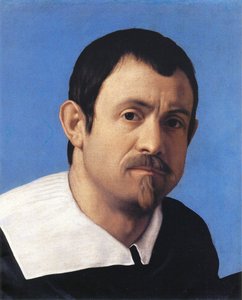
Giovanni Battista Salvi
1609 - 1685 , Italy
Quick Facts
- Artistic Movement Or Style: Baroque, Archaizing
- Artists Who Influenced This Artist: ['Raphael']
- Date Of Birth: 1609
- Date Of Death: 1685
- Full Name: Giovanni Battista Salvi
- Nationality: Italian
- Notable Artworks:
- The Holy Family
- Madonna at Prayer
- Portrait of Monsignor Ottaviano Prati
- Place Of Birth (City And Country): Sassoferrato, Italy