 Preview
 Send
Send Share
Share
 Details

 Download
 Similars
 X-Ray
X-Ray Diaporama
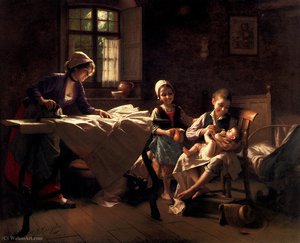
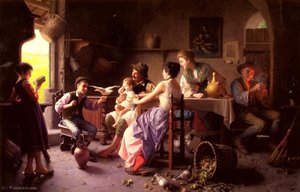
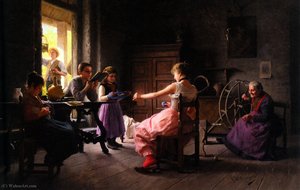
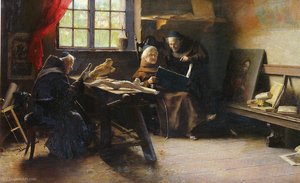
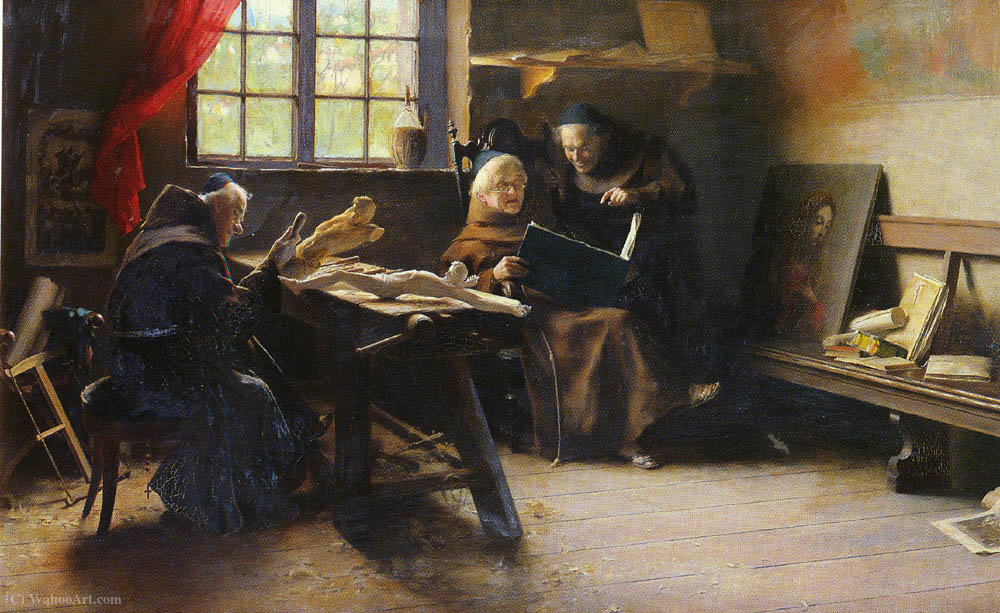
In the sculptor-s studio
 Read More
Giclée / Art Print
Museum-quality giclée or canvas print with fast production and flexible finish options. ( Buy Hand Made Painting Buy Image)




































Pick from our preset sizes that match the artwork's original proportions.

You may enter your own dimensions to fit a specific frame or space. If your selected size does not match the original image's proportions, we will either crop the artwork or extend the image with a mirrored or solid-fill edge. A digital mockup will be sent for your approval before production begins.
Please note that the on-screen preview does not reflect the actual cropping or extension. Only the mockup will accurately show the final composition.
While custom sizes are available, we recommend selecting a dimension from the predefined list to preserve the original proportions.
Worldwide Delivery () in 2 weeks instead of standard 4/5 weeks. (23 August)

Free Worldwide Express Shipping

High-Quality Linen Canvas

Full Shipping Insurance

Customs Tax Refund Guarantee

True Color Matching Guarantee

60-Day Return Policy (Defects Only)

100% Money-Back Guarantee

Bulk Discount Offer
 Glass option is only available in size under 110 CM

In the sculptor-s studio
Giclée / Art Print
Reproduction Size
-


Total Price
$ 63
Related Artworks










Artist Biography
The Gentle Sculptor of Family Life: Giovanni Battista Torriglia
Giovanni Battista Torriglia (c. 1746-1839) remains a somewhat overlooked figure in the pantheon of Neoclassical sculptors, yet his work possesses a unique warmth and intimacy that sets him apart from many of his contemporaries. Born in Modena, Italy – though precise details surrounding his early life are scarce – Torriglia dedicated his career to capturing the tender moments of domesticity, primarily through exquisitely rendered terracotta sculptures. He wasn’t concerned with grand mythological narratives or heroic allegories; instead, he found beauty and meaning in the everyday lives of families, portraying scenes of maternal affection, playful children, and quiet contemplation. This focus, unusual for the period, established him as a sculptor deeply attuned to the burgeoning Romantic sensibility that would soon sweep across Europe.Early Training and Artistic Development
While formal documentation of Torriglia’s training is limited, it's believed he initially apprenticed within Modena’s local artistic circles. The influence of the Accademia di Belle Arti in Bologna – a prominent center for sculpture during the 18th century – is evident in his early works. However, Torriglia quickly diverged from the strict academic style, embracing a more naturalistic and emotionally resonant approach. He demonstrated an exceptional talent for modeling terracotta, mastering the material’s plasticity to create figures that appear remarkably lifelike. His early sculptures often featured religious subjects, but even these pieces hinted at his burgeoning interest in portraying human emotion and connection. A key turning point came with his commission to create a series of sculptural groups depicting family life for wealthy patrons in Modena and surrounding regions. These commissions allowed him to fully explore his artistic vision and develop the distinctive style that would define his career.A Neoclassical Style Infused with Romantic Sentiment
Torriglia’s sculptures are firmly rooted in the Neoclassical tradition, characterized by their emphasis on classical forms, balanced compositions, and refined detail. However, unlike many Neoclassical artists who sought to emulate the cold perfection of ancient sculpture, Torriglia infused his work with a palpable sense of warmth and humanity. His figures aren’t idealized gods or stoic heroes; they are ordinary people engaged in everyday activities. He skillfully captured subtle gestures, facial expressions, and body language to convey a range of emotions – tenderness, joy, affection, and even quiet melancholy. This sensitivity aligns him more closely with the emerging Romantic movement, which prioritized emotional expression and individual experience over strict adherence to classical ideals. His use of terracotta itself contributed to this effect; the material’s inherent warmth and texture lent a softness and intimacy that marble sculptures often lacked.Major Achievements and Artistic Legacy
Torriglia's most significant achievement lies in his creation of a unique genre – the intimate family portrait in sculpture. He produced numerous sculptural groups depicting mothers with children, siblings playing together, and families sharing quiet moments of connection. These works were highly sought after by wealthy patrons who appreciated their sentimental appeal and artistic quality. His sculptures weren’t merely decorative objects; they were cherished heirlooms that celebrated the bonds of family and the joys of domestic life. While he didn't produce large-scale public monuments, his influence can be seen in the work of later sculptors who embraced a more naturalistic and emotionally expressive style. Today, Torriglia’s sculptures are held in prominent collections throughout Italy, including museums in Modena, Bologna, and Florence. His art serves as a poignant reminder of the beauty and importance of everyday life, offering a glimpse into the values and aspirations of 18th-century Italian society.Historical Significance and Enduring Appeal
Giovanni Battista Torriglia’s work occupies a fascinating position in art history – bridging the gap between Neoclassicism and Romanticism. He challenged the prevailing artistic conventions by focusing on intimate, domestic scenes rather than grand historical or mythological narratives.- His sculptures reflect a growing interest in emotional expression and individual experience.
- He elevated the status of terracotta as a medium for fine art.
- His work provides valuable insights into the social and cultural values of 18th-century Italy.
Quick Facts
- Artistic Movement Or Style: Neoclassical Sculpture
- Date Of Birth: c. 1746
- Date Of Death: 1839
- Full Name: Giovanni Battista Torriglia
- Nationality: Italian
- Notable Artworks: ['Family Portraiture Art']
- Place Of Birth: Modena, Italy