

 Preview
 Send
Send Share
Share
 Details

 Download
 Similars
 X-Ray
X-Ray Diaporama
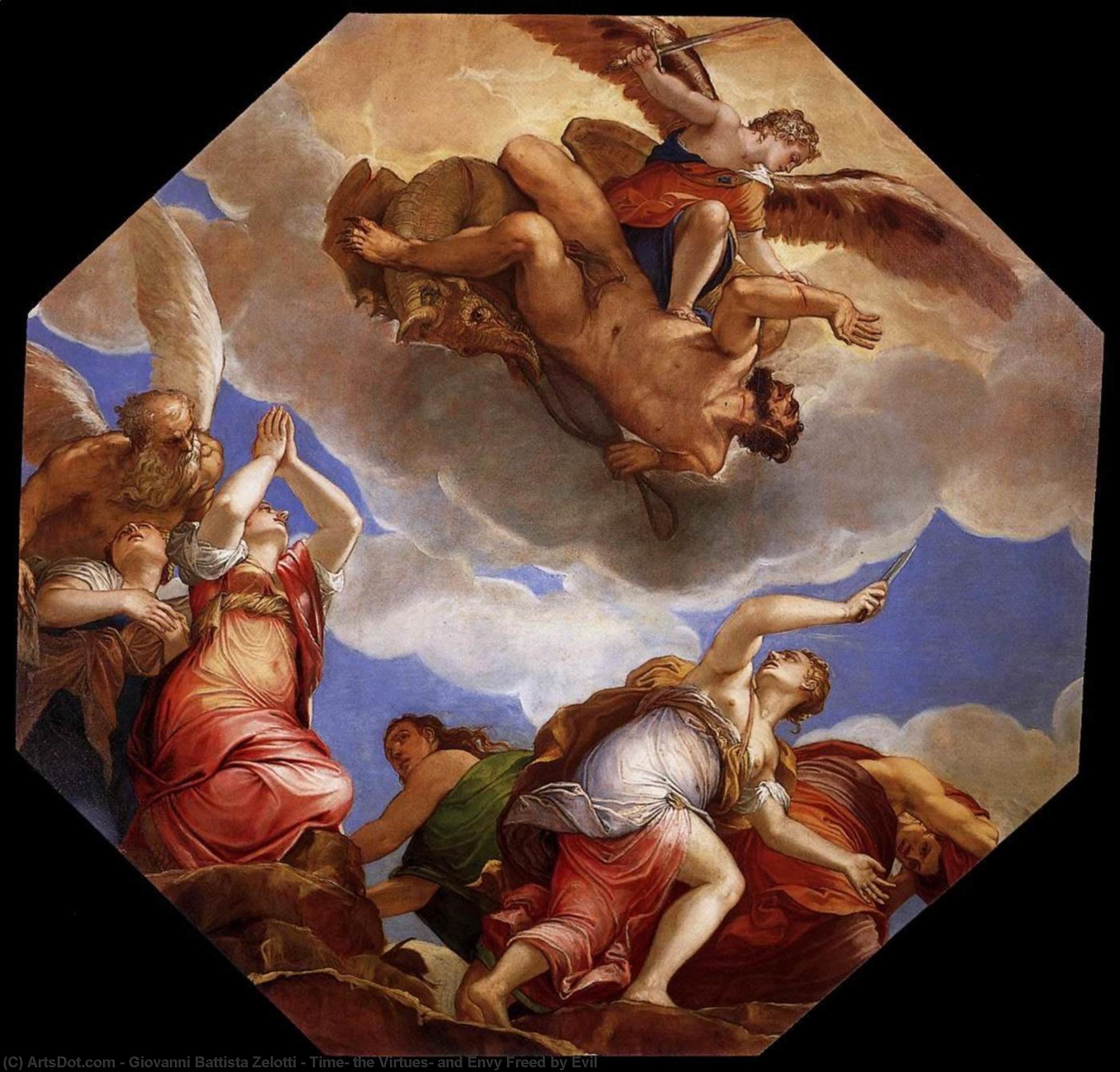
Time, the Virtues, and Envy Freed by Evil


 Read More
Purchase a high-resolution, enhanced digital image, far superior to the online preview.
Each file is meticulously prepared by our in-house specialists using advanced tools and expert manual retouching. We ensure every image has exceptional clarity, precise color accuracy, and fine detail.
The final file is delivered via email within 72 hours, optimized for immediate use in professional, editorial, and print environments. This is the same quality trusted by top-tier design studios, publishers, and galleries.
Digital Image
Download a high-resolution file for personal display, printing, and creative projects. ( Buy Print Buy Hand Made Painting)
Included in Every Digital Image Order
Expert Digital Delivery, Guaranteed
When you choose ArtsDot.com, you're not just getting an image - you're receiving a professionally enhanced digital artwork, crafted with precision and backed by a satisfaction guarantee. Here's everything that comes with your order, automatically:

Fast Email Delivery
Your high-resolution digital image file will be emailed to you within 72 hours of ordering - ready for immediate use.

AI-Enhanced Digital File
Your artwork is professionally optimized using advanced AI tools and manual editing, ensuring maximum detail, clarity, and color accuracy.

Free Lifetime Re-Delivery
Accidentally deleted or lost your file? No worries - we'll resend it to you anytime, free of charge.

No Import Fees - Ever
Enjoy your artwork instantly with zero customs, duties, or delivery fees - digital downloads are always tax-free.

Color Accuracy Guarantee
We ensure your digital image reflects the original colors as closely as possible using professional tools and color management.

60-Day Satisfaction Guarantee
If you're not satisfied with your digital image, we'll revise it or refund 100% within 60 days - no questions asked.

100% Money-Back Guarantee
Not satisfied? Get a full refund within 60 days of receiving your digital file - no questions asked.

Bulk Order Discounts
Buy 3 images, save 10% - Buy 5, save 15% - Buy 10+, save 20%. Great for creative projects, galleries, and agencies.
A Baroque Drama of Fate: Unveiling Zelotti’s “Time, the Virtues, and Envy Freed by Evil”
Giovanni Battista Zelotti's 1553 fresco, "Time, the Virtues, and Envy Freed by Evil," isn’t merely a depiction of mythological figures; it’s a visceral embodiment of humanity’s eternal struggle against chaos and corruption. Born in Verona during the late Renaissance, Zelotti was deeply rooted in the artistic traditions of his region, absorbing influences from masters like Titian while forging his own distinctive voice within the vibrant milieu of Venice. This monumental work, commissioned for a private collection, immediately commands attention with its dramatic composition and masterful use of chiaroscuro – a technique that plunges the scene into pools of light and shadow, amplifying the sense of conflict and urgency. The fresco’s sheer scale, combined with Zelotti's signature Baroque flair, creates an immersive experience, transporting the viewer directly into the heart of this allegorical narrative.
At first glance, the composition appears complex, yet it’s meticulously structured around a pyramidal arrangement that draws the eye upwards towards Time himself. He is not presented as a serene deity but as a figure actively engaged in battle, his face etched with determination and vulnerability. Opposing him is an angel wielding a sword – a potent symbol of divine justice attempting to restrain the rampant forces of Envy and Evil. These figures are rendered with a remarkable physicality, characteristic of Baroque art; their muscular forms and dynamic poses convey a sense of raw emotion and unrelenting struggle. The inclusion of Virtue, represented by a radiant figure, underscores the importance of moral strength in resisting these destructive influences. The scene unfolds across a layered background of swirling clouds and celestial elements, suggesting the vastness of time and the eternal nature of this conflict.
Technique and Materials: A Masterclass in Fresco Painting
Zelotti’s skill as a fresco painter is immediately apparent. The technique itself – applying pigments to wet plaster – demands immense precision and control, requiring the artist to work quickly before the surface dries. The resulting texture is both tactile and visually rich; smooth areas on the figures' skin contrast dramatically with the rougher surfaces of the rocks and clouds, creating a compelling interplay of visual interest. The layering of pigments, meticulously built up over time, contributes to the fresco’s depth and luminosity. Zelotti expertly manipulated color – deep reds and blues representing passion and chaos, contrasted against the gold and white of Virtue – to heighten the emotional impact of the scene. The use of perspective, while somewhat flattened due to the medium, effectively creates a sense of spatial depth, drawing the viewer into the drama unfolding before them.
Symbolism: Unpacking the Allegory
Beyond its immediate visual appeal, “Time, the Virtues, and Envy Freed by Evil” is laden with symbolic meaning. Time itself represents the relentless march of existence, constantly battling against the forces of corruption – symbolized here by Envy and Evil. The angel’s sword signifies divine intervention, attempting to maintain order and prevent chaos from overwhelming humanity. Virtue embodies moral strength and righteousness, offering a path towards redemption. The inclusion of Envy is particularly significant; it's not merely a destructive force but actively “freed,” suggesting that it thrives on human desires and imperfections. The entire composition serves as a potent reminder of the ongoing struggle between good and evil within ourselves and in the world around us – a timeless theme explored by artists throughout history.
Historical Context and Artistic Legacy
Zelotti’s work reflects the artistic trends of the late Renaissance, particularly the influence of Venetian masters like Titian. His style is characterized by its dramatic intensity, rich color palette, and dynamic compositions – hallmarks of the Baroque movement that would soon follow. The fresco's subject matter—allegorical narratives exploring moral and philosophical themes—was a popular genre during this period. Zelotti’s legacy extends beyond this single masterpiece; he continued to produce significant works throughout his career, contributing to the artistic vibrancy of Venice and Verona. Reproductions of “Time, the Virtues, and Envy Freed by Evil” offer a remarkable opportunity to experience the power and beauty of this iconic fresco, bringing its timeless message to a new generation.
Related Artworks

Artist Biography
The Veronese Echo: The Life and Legacy of Giovanni Battista Zelotti
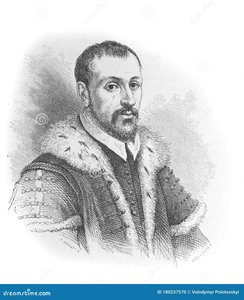
In the vibrant tapestry of the Venetian Renaissance, few threads are as intricately woven into the architectural grandeur of Italy as those spun by Giovanni Battista Zelotti. Born in Verona in 1526, a city then flourishing under the dominion of Venice, Zelotti emerged not merely as a painter, but as a master of atmosphere and narrative scale. His early years were shaped by the rigorous traditions of masters such as Antonio Badile and Domenico Riccio, and his artistic lineage suggests a profound connection to the legendary Titian. This formative period instilled in him a command over color and light that would later allow him to transform static walls into breathing, mythological landscapes.
Zelotti’s journey through the artistic hubs of Padua and Venice allowed him to absorb the evolving stylistic cues of his era. While often viewed as a contemporary and collaborator of Paolo Veronese, Zelotti possessed a unique ability to blend the classical ideals of the High Renaissance with an emerging sense of drama. His work became a bridge between the balanced compositions of the past and the more opulent, emotive qualities that would eventually characterize the Baroque period. This evolution is most evident in his mastery of fresco, a medium that required both immense physical stamina and a sophisticated understanding of how light interacts with plaster and pigment.
Architectural Symbiosis and the Palladian Connection
One of the most enduring aspects of Zelotti’s career was his profound synergy with architecture, most notably through his collaborations with the visionary Andrea Palladio. The relationship between painter and architect reached its zenith in the decoration of magnificent villas, such as Villa Emo and Villa Foscari. In these spaces, Zelotti did not merely decorate; he expanded the architectural boundaries. Alongside fellow artists like Bernardino India and Battista Franco, he injected a sense of movement and mythological depth into Palladio’s structured, classical designs.
His frescoes served to animate the stone and marble, bringing the heavens and ancient legends down to the earthly realm of the Venetian nobility. This ability to harmonize with monumental structures ensured that his work became an inseparable part of the Italian landscape. Whether decorating a private villa or a public monument, Zelotti’s hand was always present to provide the narrative soul to Palladio's structural bones.
A Monumental Presence in Venice and Beyond
The true scale of Zelotti’s ambition is perhaps best witnessed in his contributions to the most prestigious institutions of the Venetian Republic. The Doge’s Palace, a symbol of Venetian power and splendor, holds within its ceilings the masterful work of Zelotti, specifically his depiction of “Santi Giovanni e Paolo.” Here, his use of intricate detail and masterful perspective creates an illusion of infinite height, a testament to his skill in managing large-scale compositions. His work in the Biblioteca Marciana further solidified his reputation as a scholar-painter, as he utilized classical mythology to celebrate the humanist ideals that defined the age.
Beyond the borders of Venice, Zelotti’s influence traveled to Mantua, where he engaged with the prestigious Palazzo Gonzaga, continuing the rich Veronese tradition in new territories. His stylistic hallmarks—characterized by:
- Dramatic Lighting: A precursor to the Baroque, using shadow to create depth and emotion.
- Opulent Ornamentation: A lushness of detail that reflected the wealth and prestige of his patrons.
- Mythological Narrative: The seamless integration of Greco-Roman legends into contemporary settings.
Though history sometimes shadows him in the wake of Veronese, Giovanni Battista Zelotti remains an indispensable figure. He was a painter who understood that art is not merely something to be viewed, but something to be inhabited, turning the very walls of Italy's greatest palaces into windows onto the divine and the ancient.
Giovanni Battista Zelotti
1526 - 1578 , Italy
Quick Facts
- Artistic Movement Or Style: Late Renaissance
- Artists Or Movements Influenced By This Artist: ['Andrea Palladio']
- Artists Who Influenced This Artist:
- Antonio Badile
- Domenico Riccio
- Titian
- Date Of Birth: 1526 Verona Italy
- Date Of Death: 1578 Mantova Italy
- Full Name: Giovanni Battista Zelotti
- Nationality: Italian
- Notable Artworks:
- View of the Room of Sofonisba
- Venice Seated upon the Globe and upon a Lion
- Place Of Birth: Verona Italy

