

 Preview
 Send
Send Share
Share
 Details

 Download
 Similars
 X-Ray
X-Ray Diaporama
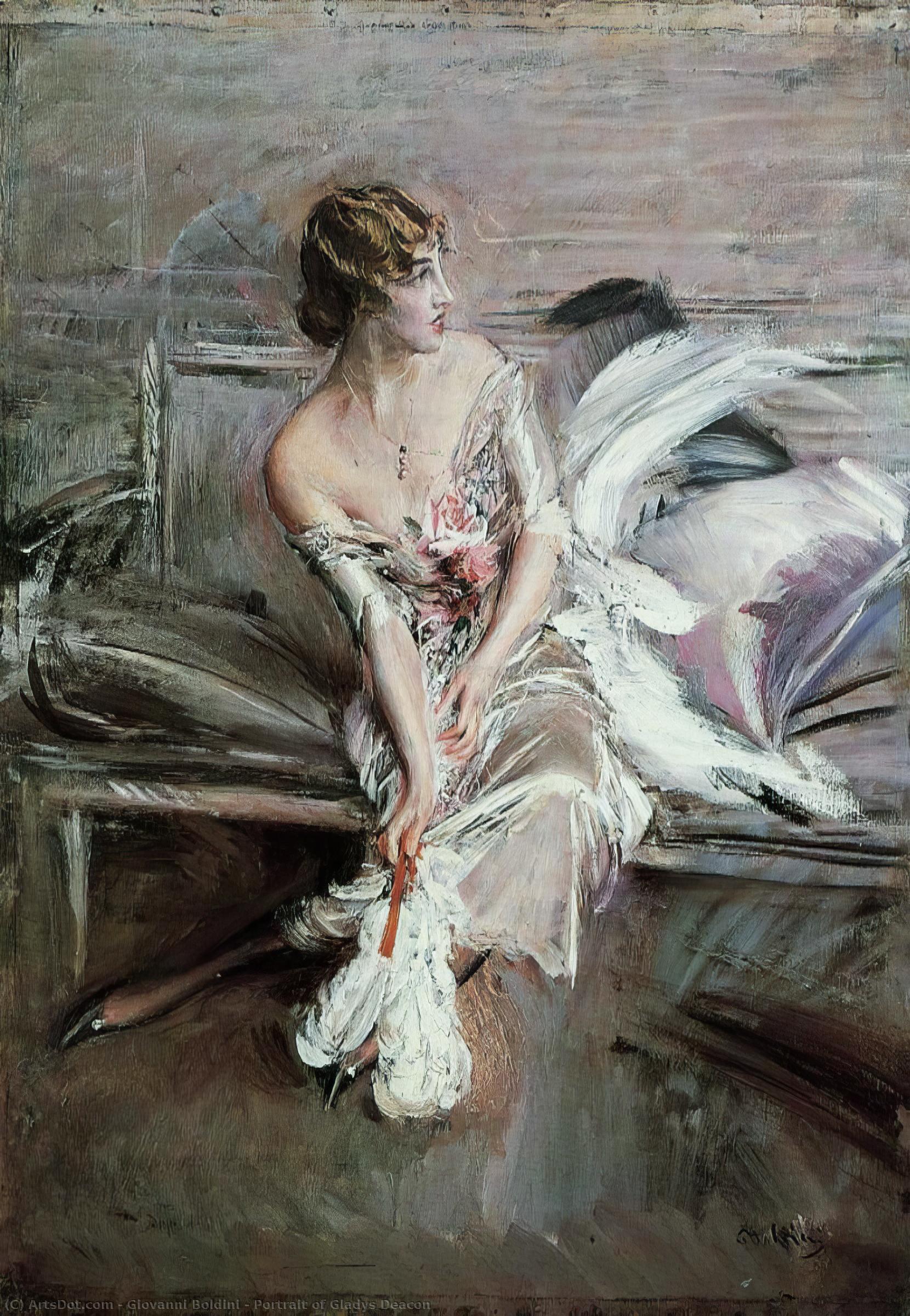
Portrait of Gladys Deacon


 Read More
Purchase a high-resolution, enhanced digital image, far superior to the online preview.
Each file is meticulously prepared by our in-house specialists using advanced tools and expert manual retouching. We ensure every image has exceptional clarity, precise color accuracy, and fine detail.
The final file is delivered via email within 72 hours, optimized for immediate use in professional, editorial, and print environments. This is the same quality trusted by top-tier design studios, publishers, and galleries.
Digital Image
Download a high-resolution file for personal display, printing, and creative projects. ( Buy Print Buy Hand Made Painting)
Included in Every Digital Image Order
Expert Digital Delivery, Guaranteed
When you choose ArtsDot.com, you're not just getting an image - you're receiving a professionally enhanced digital artwork, crafted with precision and backed by a satisfaction guarantee. Here's everything that comes with your order, automatically:

Fast Email Delivery
Your high-resolution digital image file will be emailed to you within 72 hours of ordering - ready for immediate use.

AI-Enhanced Digital File
Your artwork is professionally optimized using advanced AI tools and manual editing, ensuring maximum detail, clarity, and color accuracy.

Free Lifetime Re-Delivery
Accidentally deleted or lost your file? No worries - we'll resend it to you anytime, free of charge.

No Import Fees - Ever
Enjoy your artwork instantly with zero customs, duties, or delivery fees - digital downloads are always tax-free.

Color Accuracy Guarantee
We ensure your digital image reflects the original colors as closely as possible using professional tools and color management.

60-Day Satisfaction Guarantee
If you're not satisfied with your digital image, we'll revise it or refund 100% within 60 days - no questions asked.

100% Money-Back Guarantee
Not satisfied? Get a full refund within 60 days of receiving your digital file - no questions asked.

Bulk Order Discounts
Buy 3 images, save 10% - Buy 5, save 15% - Buy 10+, save 20%. Great for creative projects, galleries, and agencies.
Collectible Description
Portrait of Gladys Deacon: A Glimpse into Belle Époque Elegance
Giovanni Boldini's "Portrait of Gladys Deacon," painted in 1908, is more than just a depiction of a beautiful woman; it’s a window into the vibrant social scene of early 20th-century Paris. This oil on canvas masterpiece exemplifies Impressionism while retaining a touch of realism, showcasing Boldini's unique artistic style and capturing the essence of Belle Époque elegance.
The Artist: Giovanni Boldini – The "Master of Swish"
Giovanni Boldini (1842-1931) was an Italian artist celebrated for his portraits of high society figures. His ability to capture movement and fleeting moments earned him the nickname "Master of Swish." Born in Ferrara, Italy, he studied under various masters before developing his distinctive style—a blend of Impressionistic brushwork with a keen eye for detail and realism. Boldini’s work was highly sought after by European aristocracy and upper classes, solidifying his reputation as one of the leading portrait painters of his time.
Composition, Technique, and Style
The painting portrays Gladys Deacon, a prominent figure in Parisian society, seated gracefully on what appears to be a plush sofa or bench. A delicate bird flies above her head, adding a sense of dynamism to the scene. Boldini’s technique is characterized by loose, feathery brushstrokes that create a soft and luminous effect. The color palette is predominantly muted—soft pinks, creams, and browns—which contributes to the painting's overall atmosphere of refinement and tranquility. The composition centers Deacon, emphasizing her presence while allowing for subtle details in the background furnishings. This isn’t a rigid, formal portrait; it feels intimate and captures a moment of quiet contemplation. The use of light is masterful, gently illuminating Deacon’s face and dress, highlighting their textures and contours.
Symbolism and Historical Context
Beyond its aesthetic appeal, "Portrait of Gladys Deacon" offers insights into the historical context in which it was created. The Belle Époque (roughly 1871-1914) was a period of optimism, artistic innovation, and social change in Europe. Boldini’s portrait reflects this era's fascination with beauty, luxury, and leisure. The parasol held by Deacon could symbolize protection or elegance—common motifs associated with fashionable women of the time. Her attire speaks to wealth and status, indicative of her position within Parisian society. The painting serves as a visual document of a specific moment in history, capturing the spirit of an era defined by its opulence and artistic flourishing.
Emotional Impact and Legacy
"Portrait of Gladys Deacon" evokes a sense of quiet elegance and timeless beauty. Boldini’s skill lies not only in his technical mastery but also in his ability to convey emotion through subtle gestures and expressions. The painting invites viewers to step into the world of Belle Époque Paris, offering a glimpse into the lives of its elite inhabitants. Today, "Portrait of Gladys Deacon" remains a celebrated example of Impressionist portraiture, admired for its beauty, historical significance, and Boldini’s unique artistic vision.
- The painting is a beautiful example of Impressionist art, with its soft brushstrokes and captivating play of light and color.
- The Musée des Beaux-Arts d'Angers in France has an impressive collection of European art, including works by prominent artists like Giovanni Boldini. To discover more about this museum and its collections, visit /art/list/?Filter=A@D3APVK-Discover-the-Masterpieces-of-Musee-des-Beaux-Arts-d-Angers-(Angers-France).
Handmade oil paintings reproductions of the Portrait of Gladys Deacon can be found on https://ArtsDot.com, which offers a wide range of art reproductions created by skilled artists.
Related Artworks
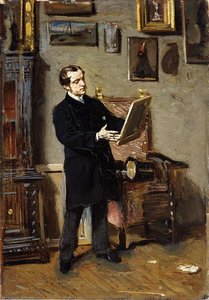
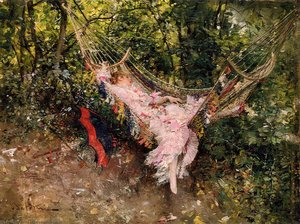
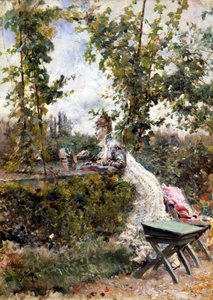
Artist Biography
A Master of Swish: The Life and Art of Giovanni Boldini
Giovanni Boldini, a name synonymous with the elegance and allure of the Belle Époque, was an Italian artist who carved his niche in Parisian society as a celebrated portraitist. Born on December 31, 1842, in Ferrara, Italy, Boldini’s artistic journey began under the guidance of his father, a painter specializing in religious subjects. This early exposure instilled in him a foundational understanding of technique and composition, yet it was his move to Florence in 1862 that truly ignited his creative spirit. There, he encountered the Macchiaioli—a group of Italian realist painters who foreshadowed Impressionism with their emphasis on light, color, and spontaneous execution. This encounter proved pivotal, influencing Boldini’s landscapes with a newfound vibrancy and responsiveness to nature. However, it was in capturing the essence of his subjects through portraiture that he would ultimately achieve lasting renown.From Florence to Parisian Society
Boldini's artistic path led him first to London, where he quickly gained recognition for his portraits of prominent figures like Lady Holland and the Duchess of Westminster. This early success paved the way for his relocation to Paris in 1872—a city that would become both his home and his muse. In Paris, Boldini immersed himself in the artistic milieu, befriending Edgar Degas and navigating the complex social landscape of the French capital. He developed a distinctive style characterized by its fluidity, dynamism, and an almost theatrical flair. His brushstrokes were not merely descriptive; they seemed to capture movement, personality, and the very air surrounding his subjects. This unique approach earned him the moniker “Master of Swish” in 1933, a testament to the graceful energy that permeated his work. He became *the* portraitist for Parisian high society, immortalizing the glamorous lives of actresses, socialites, and members of the aristocracy.Technique and Influences
Boldini’s technique was as captivating as the personalities he portrayed. His canvases were often large in scale, allowing him to convey a sense of grandeur and presence. He employed a loose, expressive brushstroke, building up layers of color to create texture and depth. This approach, combined with his keen eye for detail and ability to capture fleeting expressions, resulted in portraits that were both strikingly realistic and imbued with an undeniable sense of style. While influenced by the Macchiaioli’s emphasis on light and spontaneity, Boldini also drew inspiration from artists like John Singer Sargent and Paul Helleu, whose own dynamic brushwork resonated with his artistic sensibilities. He wasn't simply replicating likenesses; he was creating impressions—evocative representations of character and social standing. His portraits weren’t just images; they were statements.Legacy and Rediscovery
Throughout his career, Boldini exhibited widely, including at the Venice Biennale in 1895, 1903, 1905, and 1912. He received the Légion d'honneur for his contributions to the arts, solidifying his position as a leading figure in the Parisian art world. However, towards the end of his life, Boldini’s popularity waned as artistic tastes shifted. He continued to paint, but his work fell somewhat into obscurity until recent decades have witnessed a remarkable resurgence of interest. The rediscovery of lost works, such as the captivating portrait of Marthe de Florian found hidden away in a Parisian apartment in 2010, has reignited appreciation for Boldini’s artistry and brought renewed attention to his significant contribution to Belle Époque art. The story surrounding this painting—a forgotten treasure unearthed after decades of seclusion—only adds to the mystique that surrounds both the artist and his subjects.A Lasting Impression
Giovanni Boldini passed away in Paris on January 11, 1931, leaving behind a legacy as one of the most fashionable and innovative portrait painters of his time. His work continues to inspire artists and art enthusiasts alike, offering a glimpse into a bygone era of elegance, sophistication, and artistic brilliance. He wasn’t merely documenting society; he was celebrating it—capturing its beauty, its energy, and its enduring allure on canvas. Boldini's portraits remain powerful testaments to his skill, his vision, and his ability to transform the act of painting into a captivating performance.- Boldini’s influence can be seen in contemporary portraiture.
- His work is featured in major museums worldwide.
- The rediscovery of lost works continues to fuel scholarly interest.
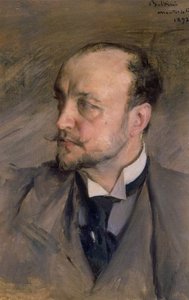
Giovanni Boldini
1842 - 1931 , Italy
Quick Facts
- Artistic Movement Or Style: Impressionism
- Artists Or Movements Influenced By This Artist: ['John Singer Sargent']
- Artists Who Influenced This Artist: ['Macchiaioli painters']
- Date Of Birth: December 31, 1842
- Date Of Death: July 11, 1931
- Full Name: Giovanni Boldini
- Nationality: Italian
- Notable Artworks:
- Countess de Rasty
- The Machine at Marly
- Place Of Birth: Ferrara, Italy

