 Preview
 Send
Send Share
Share
 Details

 Download
 Similars
 X-Ray
X-Ray Diaporama
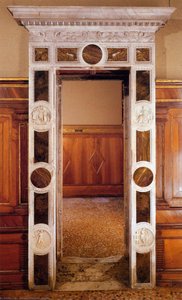
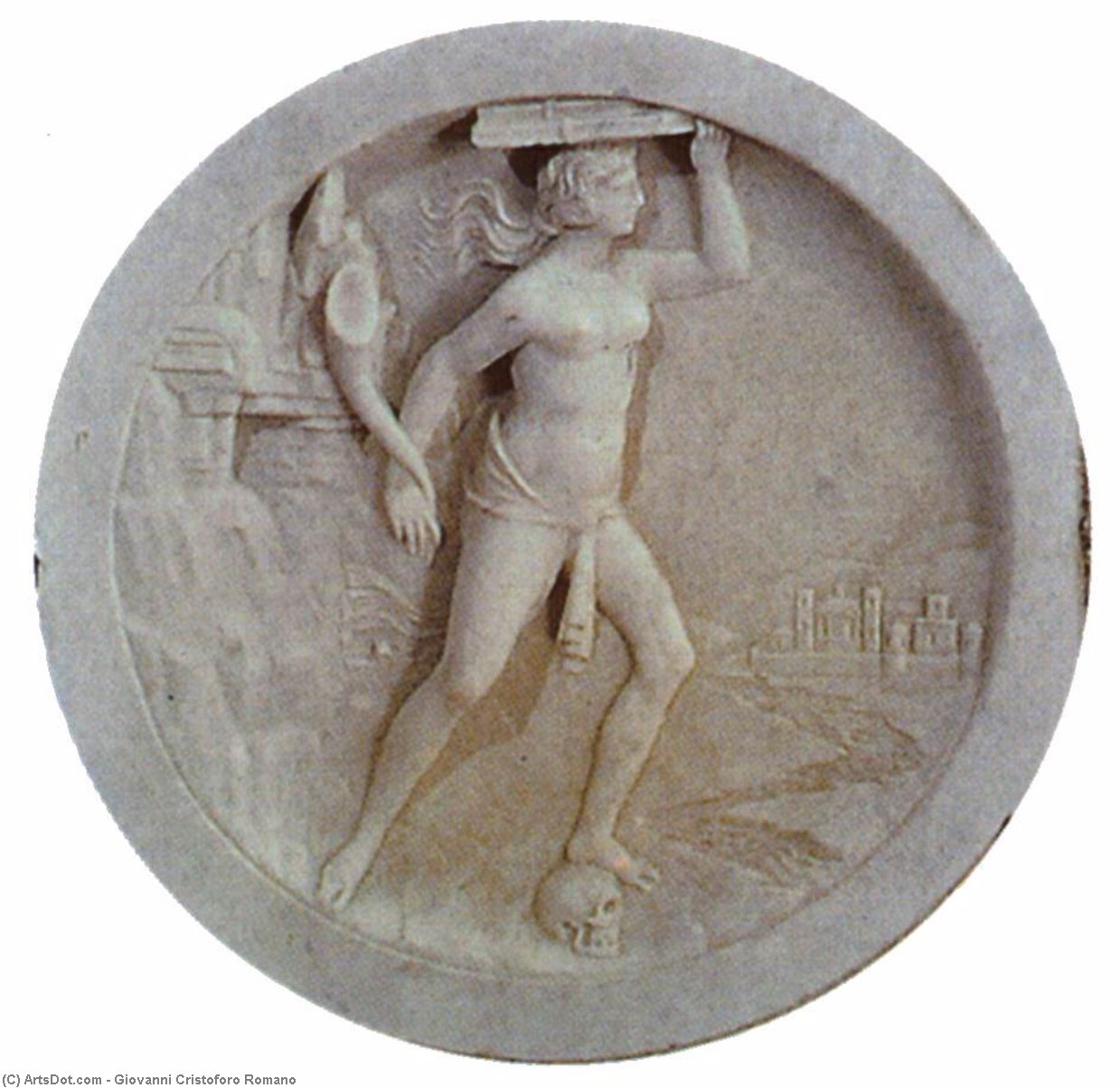
Door of the studiolo (detail)


 Read More
Giclée / Art Print
Museum-quality giclée or canvas print with fast production and flexible finish options. ( Buy Hand Made Painting Buy Image)




P118B $10

P118H $10

P118W $10

P438Z $10

P508JH $12

P508YH $12

P805H $10

P805Z $10

P919BZ $10

P919G $10

P919XJ $10

P959ZH $10

P968JZ $12

W106C $8

W218G $10

W218JH $8

W218Y $10

W307PJ $10

W316G $10

W316PJ $8

W316Y $10

W398PJ $8

W4111J $10

W500HY $15

W500JH $15

W692G $12

W849H $8

W940BG $15

W953PJ $8




Pick from our preset sizes that match the artwork's original proportions.

You may enter your own dimensions to fit a specific frame or space. If your selected size does not match the original image's proportions, we will either crop the artwork or extend the image with a mirrored or solid-fill edge. A digital mockup will be sent for your approval before production begins.
Please note that the on-screen preview does not reflect the actual cropping or extension. Only the mockup will accurately show the final composition.
While custom sizes are available, we recommend selecting a dimension from the predefined list to preserve the original proportions.
Worldwide Delivery () in 2 weeks instead of standard 4/5 weeks. (5 September)

Free Worldwide Express Shipping

High-Quality Linen Canvas

Full Shipping Insurance

Customs Tax Refund Guarantee

True Color Matching Guarantee

60-Day Return Policy (Defects Only)

100% Money-Back Guarantee

Bulk Discount Offer
 Glass option is only available in size under 110 CM

Door of the studiolo (detail)
Giclée / Art Print
Reproduction Size
-


Total Price
$ 63
Giovanni Cristoforo Romano: Bridging Gothic Legacy and Renaissance Innovation
Giovanni Cristoforo Romano (c. 1465 – Loreto, May 31, 1512) represents a crucial juncture in Italian sculpture—a moment where the solemn grandeur of Gothic formalism yielded to the humanist dynamism of the burgeoning Renaissance. Born into a Roman family steeped in artistic tradition, Romano’s formative years witnessed the pervasive influence of monumental churches like Santa Maria Maggiore and San Pietro in Vincoli, structures adorned with sculptures that epitomized the Gothic preoccupation with drapery and anatomical precision. This early exposure instilled within him a mastery of sculptural technique that would define his subsequent career.- Early Training & Influences: Romano’s artistic education commenced under the tutelage of his father and Paolo Romano, establishing him firmly within the Roman sculptural milieu—a milieu characterized by its dedication to recreating biblical narratives with meticulous detail.
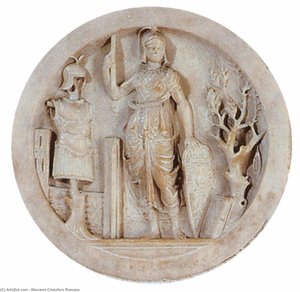
- The Studiolo Door: The “Door of the studiolo” exemplifies Romano's stylistic evolution. This circular marble relief sculpture commissioned for Isabella d’Este’s Palazzo Duomo in Mantua showcases a captivating blend of Gothic and Renaissance sensibilities. Its central figure—a woman draped in flowing robes—holds aloft a book or tablet, symbolizing knowledge and contemplation – a motif deeply rooted in humanist thought.
Technique & Material Considerations
Romano’s skill lay not merely in capturing idealized forms but also in manipulating marble with exceptional finesse. The sculpture utilizes the relief technique—a method that imbues the artwork with a palpable sense of depth and dimensionality. Careful carving reveals intricate textures and subtle gradations of tone, achieved through painstaking polishing and manipulation of light – techniques honed during his training under masters who championed the revival of classical ideals.Symbolism & Narrative Context
The imagery within the “Door” transcends mere representation; it speaks to broader philosophical concepts. The woman’s pose—a deliberate allusion to classical statues—represents wisdom and virtue, mirroring Isabella d'Este’s own intellectual pursuits and reflecting the humanist preoccupation with moral excellence. Furthermore, the landscape backdrop hints at a civilized urban environment – a visual testament to Mantua’s status as a center of artistic patronage during Romano’s lifetime.Emotional Resonance & Artistic Legacy
Ultimately, Romano's work transcends stylistic categorization. The sculpture evokes a feeling of serene contemplation and intellectual curiosity—qualities that resonate powerfully with viewers today. His contribution to the transition from Gothic to Renaissance sculpture solidified his place as one of Italy’s foremost artists of the period, leaving behind a legacy of masterful craftsmanship and enduring artistic beauty.Related Artworks



Artist Biography
Giovanni Cristoforo Romano (1465 – 1512): A Florentine Sculptor Bridging Gothic and Renaissance
Giovanni Cristoforo Romano (c. 1465 – Loreto, May 31, 1512) stands as a pivotal figure in the transition between Gothic and Renaissance sculpture in Italy. Born in Rome—likely to Isaia da Pisa—Romano’s artistic journey unfolded amidst the burgeoning humanist ideals of his era, yet he retained an undeniable connection to the stylistic traditions of his formative years. While biographical details remain scarce, scholarly consensus points to a robust training under his father and Paolo Romano, establishing him firmly within the Roman sculptural milieu of the mid-fifteenth century.- Early Influences: Romano’s artistic sensibilities were profoundly shaped by the Gothic style prevalent in Rome at the time—particularly evident in the monumental sculptures adorning churches like Santa Maria Maggiore and San Pietro in Vincoli. These works showcased a masterful command of drapery, anatomical precision, and expressive dynamism—characteristics that would persist throughout his career.
- Umbrian Period: Evidence suggests Romano spent considerable time in Umbria during the early 1490s, where he collaborated with Ambrogio d’Antonio Barocci on ambitious projects at Urbino’s Palazzo Ducale. This experience exposed him to the humanist aesthetic championed by Federico da Montefeltro—a stylistic shift marked by a greater emphasis on idealized forms and serene compositions.
- Milanese Patronage: Romano's arrival in Milan in 1490 coincided with the reign of Ludovico Sforza, marking the beginning of his association with one of Italy’s most influential artistic centers. He undertook significant commissions for the ducal court—most notably the monumental tomb of Giangaleazzo Visconti at Pavia’s Certosa—demonstrating his ability to synthesize Gothic and Renaissance techniques into a unified visual language.
- Florence & Isabella d'Este: Romano traveled to Florence in 1503, where he served as artistic advisor to Isabella d’Este—the formidable patroness of the Gonzaga court—and undertook the creation of sculptures for her palazzo. His work during this period reflects a refined aesthetic sensibility—characterized by elegance and subtlety—influenced by Leonardo da Vinci and Michelangelo.
- Final Years & Legacy: Romano's final years were spent in Loreto, where he oversaw the construction of the Santa Casa—a pilgrimage shrine dedicated to Mary Immaculate—a project that cemented his reputation as a master sculptor and solidified his contribution to the artistic heritage of Italy. Despite producing relatively few monumental sculptures, Romano’s oeuvre encompasses a remarkable diversity of styles—ranging from Gothic grandeur to Renaissance refinement—making him an indispensable figure in understanding the complex stylistic panorama of the fifteenth and sixteenth centuries.
Notable Works
- The Tomb of Giangaleazzo Visconti: Located at Pavia’s Certosa di Pavia, Romano's monumental tomb is considered one of his crowning achievements—a testament to his mastery of sculptural technique and his ability to convey profound emotional depth.
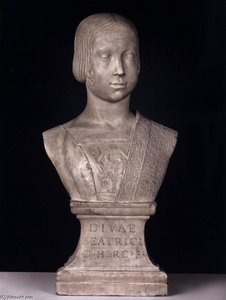
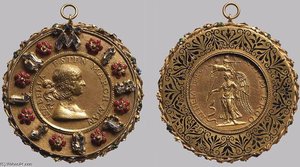
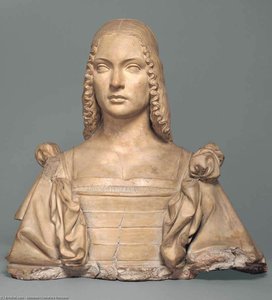
- Isabella d’Este’s Bust: Executed in gilded bronze for Isabella d’Este—the influential ruler of Mantua—this portrait bust exemplifies Romano's refined aesthetic sensibilities and reflects the humanist ideals prevalent during his time.
- Winged Victory: Commissioned by Ludovico Sforza—Romano’s patron in Milan—this sculpture embodies the spirit of Renaissance triumph—characterized by soaring drapery, dynamic movement, and symbolic grandeur.
- Giulia Astallia’s Bust: Created for Isabella d’Este—the wife of Federico da Montefeltro—this bust showcases Romano's meticulous attention to detail—demonstrating his exceptional skill in capturing the likeness and conveying the personality of his subject.
Influences & Artistic Style
Romano’s artistic style is characterized by a synthesis of Gothic and Renaissance traditions—reflecting the broader stylistic currents shaping Italian art during his lifetime. He skillfully employed techniques honed in the Gothic workshop—such as drapery modeling and anatomical precision—while simultaneously embracing the humanist ideals championed by Leonardo da Vinci and Michelangelo—expressed through idealized forms and serene compositions. His sculptures are imbued with a palpable sense of emotion—capturing the psychological nuances of human experience—and conveying profound spiritual significance.Historical Significance
Giovanni Cristoforo Romano’s contribution to Italian sculpture is undeniable—establishing him as one of the foremost artists of his era and securing his place among the giants of Renaissance art. His work served as a catalyst for stylistic innovation—bridging the gap between Gothic grandeur and Renaissance refinement—and profoundly influencing subsequent generations of sculptors. Today, Romano's sculptures continue to inspire admiration—testament to their enduring beauty and artistic merit—solidifying his legacy as an artist who embodies the spirit of humanist inquiry and artistic excellence.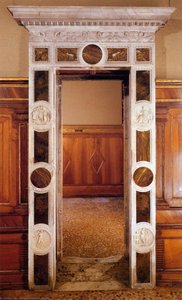
giovanni cristoforo romano
1465 - 1512 , Italy
Quick Facts
- Artistic Movement Or Style: Renaissance
- Artists Or Movements Influenced By This Artist: ['Vasari']
- Artists Who Influenced This Artist:
- Paolo Romano
- Andrea Bregno
- Date Of Birth: ca. 1465
- Full Name: Giovanni Cristoforo Romano
- Nationality: Italian
- Notable Artworks:
- Campo di Santi Giovanni e Paolo
- Door of the studiolo (detail)
- San Giovanni Elemosinario
- Place Of Birth: Rome, Italy
Related Articles

Bronze Sculptures That Defined Art History | ArtsDot
Journey through art history with our Top 10 bronze sculptures! Explore masterpieces by Rodin, Michelangelo & more. Discover stories behind iconic statues and find museum-quality reproductions for your home decor at ArtsDot.com.

The Enduring Form: Exploring Themes & Techniques in Sculpture Across Historical Periods
Explore the rich history of sculpture from ancient masterpieces to contemporary innovations. Discover key techniques, influential artists & investment potential for discerning art collectors.

Bronze Age to Modern Masters: 10 Sculptures That Redefined Art | ArtsDot
Journey through art history with 10 legendary bronze sculptures – from Michelangelo's David to Rodin’s Thinker. Explore the stories, techniques & timeless beauty of these masterpieces. Find museum-quality reproductions & elevate your home decor on ArtsDot.com.

The Enduring Form: Sculpture Across History, Technique & Emotional Resonance
Explore the rich history of sculpture with ArtsDot. Discover key techniques, influential artists & investment potential for discerning collectors. Expert insights into valuing and collecting timeless masterpieces.
Giovanni Giacometti: Sculpting Existentialism – A Study of Form, Space, and the Human Condition
Explore the profound artistic journey of Giovanni Giacometti, father to Alberto. Discover his unique transition from Surrealism to Existentialist sculpture and painting – a compelling study for elite collectors and art enthusiasts.