 Preview
 Send
Send Share
Share
 Details

 Download
 Similars
 X-Ray
X-Ray Diaporama
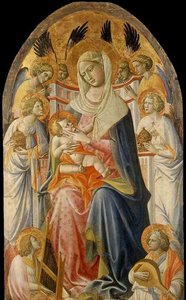
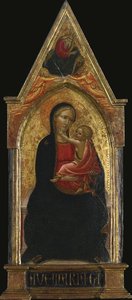
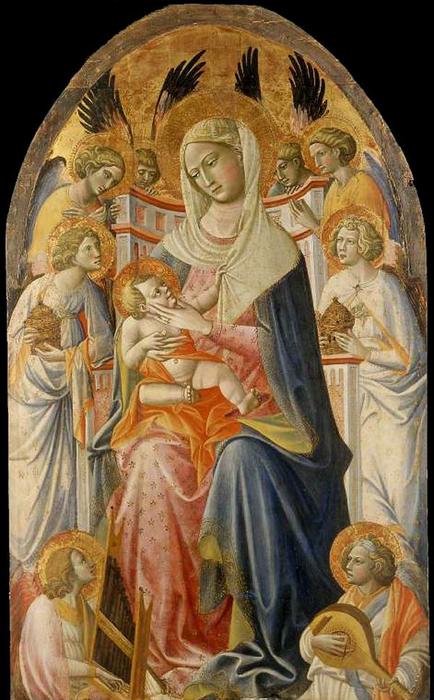
Virgin and Child with Angels
 Acrylic On Canvas
- WallArt
- Early Renaissance
 1425
1425 139.0 x 86.0 cm
 Fitzwilliam College
 Read More
Hand Made Oil Reproduction
Hand-painted oil on canvas in your size and frame, made to order by our artists. ( Buy Print Buy Image)




P118B $10

P118H $10

P118W $10

P438Z $10

P508JH $12

P508YH $12

P805H $10

P805Z $10

P919BZ $10

P919G $10

P919XJ $10

P959ZH $10

P968JZ $12

W106C $8

W218G $10

W218JH $8

W218Y $10

W307PJ $10

W316G $10

W316PJ $8

W316Y $10

W398PJ $8

W4111J $10

W500HY $15

W500JH $15

W692G $12

W849H $8

W940BG $15

W953PJ $8




Pick from our preset sizes that match the artwork's original proportions.

You may enter your own dimensions to fit a specific frame or space. If your selected size does not match the original image's proportions, we will either crop the artwork or extend the painting with additional hand-painted elements. A digital mockup will be sent for your approval before production begins.
Please note that the on-screen preview does not reflect the actual cropping or extension. Only the mockup will accurately show the final composition.
While custom sizes are available, we recommend selecting a dimension from the predefined list to preserve the original proportions.
After order, ArtsDot.com team will email client for instructions and provide a mockup preview
Worldwide Delivery () in 3/4 weeks instead of standard 5 weeks. (17 August). No compromise on quality.

Free Worldwide Express Shipping

High-Quality Linen Canvas

Full Shipping Insurance

Customs Tax Refund Guarantee

True Color Matching Guarantee

60-Day Return Policy (Defects Only)

100% Money-Back Guarantee

Bulk Discount Offer
 Glass option is only available in size under 110 CM

Virgin and Child with Angels
Reproduction Medium
Reproduction Size
-


Total Price
$ 263
Artwork Description
A Florentine Bridge Between Traditions: Exploring Giovanni Dal Ponte’s “Virgin and Child with Angels”
Giovanni Battista da Ponte stands as a pivotal figure in the burgeoning artistic landscape of 15th-century Florence, embodying the delicate transition from the solemn grandeur of Late Gothic art to the luminous optimism of Early Renaissance ideals. Born around 1385 amidst the intellectual ferment of Tuscany’s capital, dal Ponte's career coincided with a period where artists were actively grappling with new visual vocabularies—a quest for naturalism fueled by humanist scholarship and increasingly informed by observations of the natural world. While his name might not resonate as loudly as some contemporaries like Masaccio or Piero della Francesca, da Ponte’s contribution to Florentine art history is undeniable, particularly evidenced in his masterful depictions of religious subjects that continue to captivate audiences today.The Painting's Composition and Style: Synthesis of Two Worlds
“Virgin and Child with Angels,” housed at the Fitzwilliam Museum in Cambridge, exemplifies this pivotal stylistic shift. The painting’s central focus is undeniably Mary, portrayed seated upon a throne-like structure—a deliberate allusion to royal iconography—yet her posture exudes serenity rather than regal authority. Surrounding her are angels rendered in dynamic poses, conveying movement and emotion – a departure from the static figures characteristic of earlier Gothic art. Da Ponte skillfully blends elements of both traditions: The drapery folds echo the intricate detailing found in Gothic textiles, while the angel’s expressions and gestures reflect humanist ideals of human dignity and compassion. This harmonious fusion speaks volumes about the artistic sensibilities of the time—a desire to elevate religious imagery through observation and reasoned representation.Technique and Materials: Tempera on Panel – A Legacy of Craftsmanship
Da Ponte employed tempera paint on panel, a technique that had gained prominence in Venice during the preceding decades but was steadily establishing itself as Florence’s preferred medium for devotional art. Tempera—pigments bound together with egg yolk—allowed for exceptional luminosity and detail, qualities particularly valued by artists seeking to convey spiritual beauty. The meticulous application of gold leaf – visible throughout the background – underscores the painting's opulent aesthetic and reinforces its association with royal patronage. This painstaking craftsmanship reflects a deep respect for materials and a commitment to achieving visual perfection—a hallmark of Florentine artistic excellence during the Quattrocento.Historical Context: Florence Under Lorenzo Medici’s Patronage
The creation of “Virgin and Child with Angels” occurred during Lorenzo de' Medici’s reign, marking a zenith of Florentine cultural prestige. Lorenzo’s patronage fostered an environment where artists thrived, encouraging experimentation and pushing boundaries while upholding the highest standards of artistic achievement. Da Ponte’s work aligns perfectly with this humanist ethos—a celebration of human intellect and emotion expressed through idealized depictions of sacred figures. It stands as a testament to Florence's role as a crucible of artistic innovation during a transformative era in European history.Symbolism and Emotional Impact: Reverence for Innocence and Divine Grace
Beyond its formal qualities, “Virgin and Child with Angels” resonates deeply with viewers through its profound symbolism. The Virgin Mary embodies maternal compassion and spiritual purity—qualities universally revered throughout Christendom. The Christ child’s serene gaze conveys innocence and divine grace—a reminder of humanity's inherent goodness and God’s boundless mercy. Da Ponte’s masterful depiction captures not merely a visual representation but an emotional experience—one intended to inspire contemplation and foster devotion. It remains a powerful emblem of faith and beauty, continuing to inspire admiration centuries after its creation.- Artist: Giovanni Battista da Ponte
- Born Year: 1385
- Death Year: 1438
- Birth City: Florence
- Birth Country: Italy
For handmade oil painting reproductions of these masterpieces, visit https://ArtsDot.com. Discover the beauty of Renaissance art.
Related Artworks
Artist Biography
A Florentine Bridging Worlds: The Life and Art of Giovanni dal Ponte
Giovanni dal Ponte, a name resonating softly within the annals of early Renaissance Florence, represents a fascinating transition in artistic style. Born around 1385 in the heart of Tuscany, his life unfolded during a period where the graceful lines of the Gothic tradition were beginning to yield to the burgeoning naturalism championed by artists like Masaccio. Though not as widely celebrated as some of his contemporaries, dal Ponte occupied a crucial position, skillfully synthesizing these evolving aesthetics and leaving behind a body of work that offers invaluable insight into 15th-century Florentine society and artistic practice. His very moniker, “dal Ponte” – meaning "from the bridge" – speaks to his roots; it derived from the location of his workshop near the Piazza di Santo Stefano a Ponte, a bustling hub in the city’s vibrant commercial and artistic landscape. He formally entered the Florentine art world by joining the Arte dei Medici e degli Speziali in 1410 and later the Compagnia di S Luca in 1413, demonstrating an early commitment to his craft and integration within the established guild system.From Cassoni to Frescoes: A Diverse Artistic Output
Dal Ponte’s artistic reputation was initially forged through the creation of exquisitely decorated marriage chests – *cassoni* or *forzieri* – objects central to Florentine wedding rituals and indicative of a family's wealth and status. His work for Illarione dei Bardi in 1422 brought him early recognition, leading to further prestigious commissions from families like the Biliotti and Bardo di Francesco de’ Bardi. These chests weren’t merely storage containers; they were canvases showcasing intricate narratives and symbolic imagery, reflecting the hopes and aspirations of the newly betrothed. Beyond these celebrated *cassoni*, dal Ponte's talents extended to a diverse range of projects. He undertook significant fresco cycles, notably at Santa Trinita, where he depicted scenes from the life of Saint Paul alongside the martyrdoms of Saints Bartholomew and Peter. These frescoes, though fragmented today, reveal his growing mastery of spatial composition and narrative clarity. He also designed numerous triptychs, perhaps most famously his two versions of *The Annunciation* – one completed in 1430 for Santa Maria in Rosano, the other in 1435 now residing in the Pinacoteca Vaticana. These devotional works demonstrate a delicate balance between Gothic elegance and emerging Renaissance realism. Smaller altarpieces, such as the one created for the Oratorio di S. Eugenio a Pugliano, further showcase his versatility and skill in rendering religious subjects with grace and piety.Navigating Influence: A Synthesis of Styles
Giovanni dal Ponte’s artistic style is characterized by its unique blend of late Gothic sensibilities and nascent Renaissance innovations. His foundations lay firmly within the decorative traditions of the International Gothic style, evident in his use of rich colors, elaborate ornamentation, and elongated figures. However, he was not immune to the revolutionary changes sweeping through Florentine art during his lifetime. The influence of artists like Lorenzo Monaco is palpable in his refined draftsmanship and elegant compositions. More significantly, the groundbreaking work of Masaccio – with its emphasis on naturalism, perspective, and anatomical accuracy – left an indelible mark on dal Ponte’s artistic development. He skillfully absorbed these new techniques, integrating them into his existing style to create a distinctive aesthetic that was both traditional and forward-looking. The influence of Lorenzo Ghiberti, particularly in the use of gilded surfaces and refined detail, is also apparent in many of his works. Dal Ponte wasn't simply imitating; he was *synthesizing*, forging a personal artistic language that reflected the complex cultural currents of his time.A Pragmatic Partnership: Collaboration with Smeraldo di Giovanni
Dal Ponte’s life wasn’t without its challenges. Financial difficulties led to imprisonment in 1424, a common plight for artists operating within the patronage system. Upon his release, he entered into a pragmatic partnership with Smeraldo di Giovanni in 1427 – an arrangement that proved mutually beneficial. Smeraldo, an experienced painter who had previously collaborated with Ambrogio di Baldese, brought logistical expertise and access to commissions, while dal Ponte contributed the majority of the artistic skill, receiving sixty-five percent of the profits. This collaboration wasn’t a simple master-apprentice relationship; it was a formalized business arrangement where responsibilities were clearly delineated. Dal Ponte covered rent payments, while Smeraldo managed the workshop's practical operations. The partnership allowed their studio to flourish, producing not only *cassoni* but also banners and other decorative items. Importantly, each artist maintained control over the execution of individual works, demonstrating a division of labor that was becoming increasingly common in Florentine workshops during this period. This arrangement foreshadowed similar partnerships between artists like Bicci di Lorenzo and Stefano d’Antonio, suggesting dal Ponte and Smeraldo were pioneers in establishing formalized workshop collaborations.A Lasting Legacy: Bridging the Gap to the Renaissance
Giovanni dal Ponte may not occupy a central position within the canonical narrative of Renaissance art, but his contribution is nonetheless significant. He stands as a crucial “minor master,” bridging the gap between the late Gothic period and the full flowering of the Renaissance. His skillful craftsmanship, combined with his ability to synthesize diverse artistic influences, contributed significantly to the rich tapestry of Florentine art in the early 15th century. His *cassoni*, in particular, offer valuable insights into the material culture and social customs of the time. They are not merely beautiful objects; they are historical documents reflecting the values and aspirations of a burgeoning merchant class. Dal Ponte’s legacy extends beyond his individual works to encompass his role as a facilitator of artistic innovation and collaboration. His partnership with Smeraldo di Giovanni represents an early example of formalized workshop organization, influencing subsequent practices within the Florentine art world. Today, his paintings are held in major museums worldwide, ensuring that his artistry continues to be appreciated by scholars and enthusiasts alike – a testament to the enduring power of a painter who skillfully navigated the shifting currents of his time.
Giovanni dal Ponte
1385 - 1438 , Italy
Quick Facts
- Artistic Movement Or Style: Late Gothic/Renaissance
- Artists Or Movements Influenced By This Artist: ['Bicci di Lorenzo']
- Artists Who Influenced This Artist:
- Lorenzo Monaco
- Masaccio
- Ghiberti
- Date Of Birth: 1385
- Date Of Death: 1438
- Full Name: Giovanni dal Ponte
- Nationality: Italian
- Notable Artworks:
- The Annunciation (1430)
- The Annunciation (1435)
- Marriage Chests (Cassoni)
- Place Of Birth: Florence, Italy
Related Articles
Uffizi's 25 Masterpieces: Renaissance Art & Timeless Decor Inspiration
Journey through the Uffizi Gallery's 25 most iconic Renaissance artworks! Explore Botticelli, Leonardo da Vinci & Michelangelo’s masterpieces. Find museum-quality art reproductions and curated decor ideas to bring timeless Italian beauty into your home. Discover all masterpieces on ArtsDot.com

Giovanni Giacometti: Sculpting Existentialism – A Study of Form, Space, and the Human Condition
Explore the profound artistic journey of Giovanni Giacometti, father to Alberto. Discover his unique transition from Surrealism to Existentialist sculpture and painting – a compelling study for elite collectors and art enthusiasts.
Fra Angelico's Masterpieces: 25 Renaissance Paintings for Your Home | ArtsDot
Explore 25 breathtaking masterpieces by Fra Angelico, a Renaissance master. Discover the stories behind his iconic frescoes, Annunciations & religious art. Find museum-quality reproductions and elevate your home decor with ArtsDot.com.
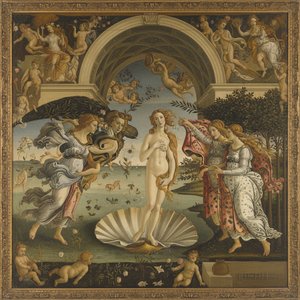
Botticelli's Masterpieces: Explore 25 Iconic Renaissance Paintings | ArtsDot
Journey through Botticelli's world with 25 iconic Renaissance paintings. Explore 'Birth of Venus,' 'Primavera,' and more—stories, techniques & timeless beauty. Find museum-quality art reproductions for your home at ArtsDot.com.
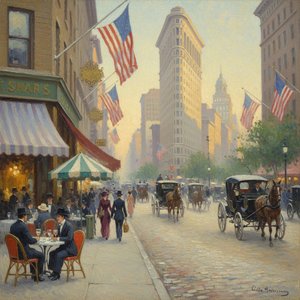
Frederick Childe Hassam: American Impressionism's Chronicler of Light & Modern Life
Explore the captivating world of Frederick Childe Hassam, a pioneer of American Impressionism. Discover his iconic paintings capturing light, urban life & coastal beauty. Learn about his legacy and influence on American art history.