

 Preview
 Send
Send Share
Share
 Details

 Download
 Similars
 X-Ray
X-Ray Diaporama
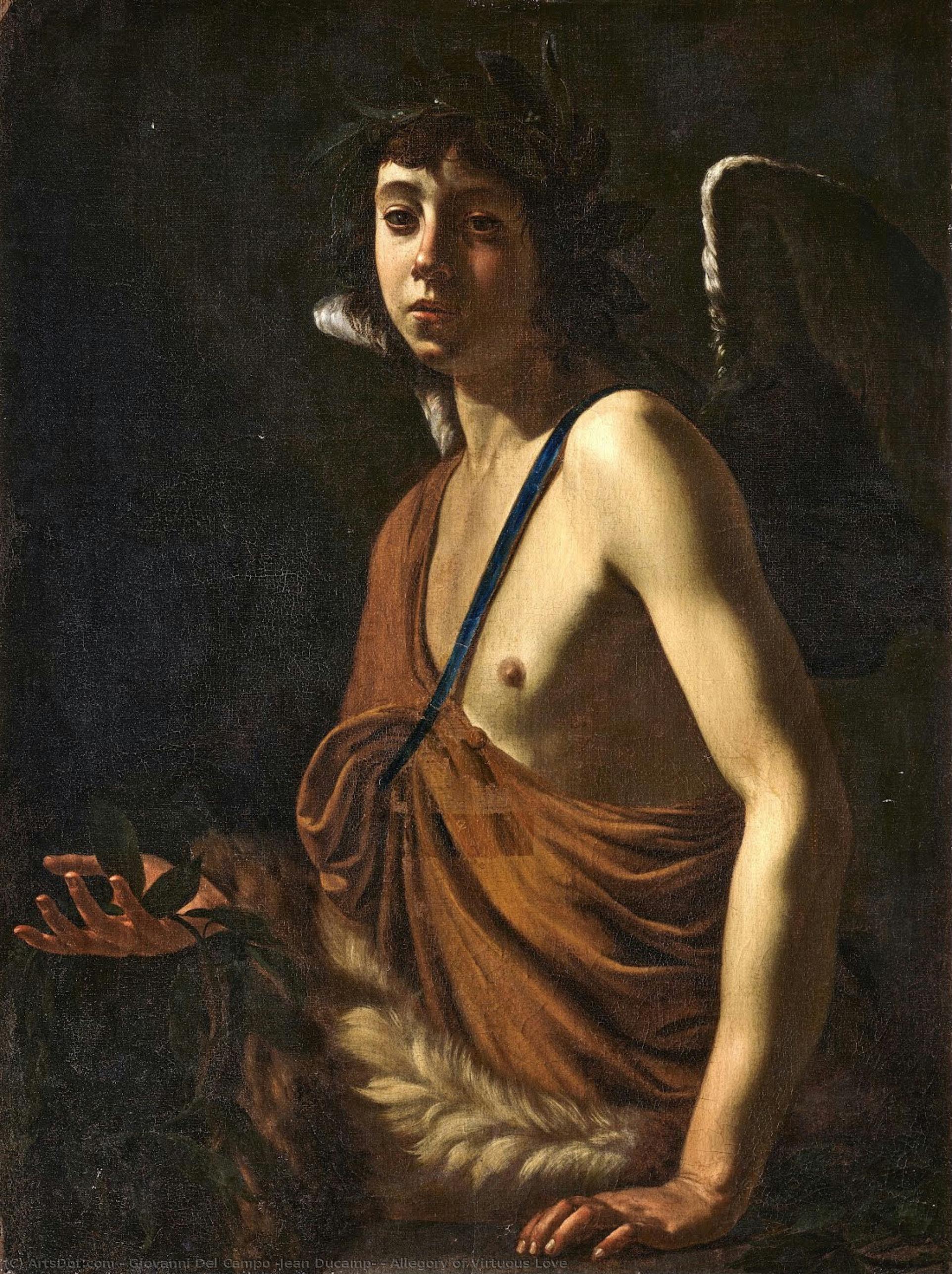
Allegory of Virtuous Love
 1620
1620 94.0 x 71.0 cm
 The Art Museum RIGA BOURSE
 Read More
Purchase a high-resolution, enhanced digital image, far superior to the online preview.
Each file is meticulously prepared by our in-house specialists using advanced tools and expert manual retouching. We ensure every image has exceptional clarity, precise color accuracy, and fine detail.
The final file is delivered via email within 72 hours, optimized for immediate use in professional, editorial, and print environments. This is the same quality trusted by top-tier design studios, publishers, and galleries.
Digital Image
Download a high-resolution file for personal display, printing, and creative projects. ( Buy Print Buy Hand Made Painting)
Included in Every Digital Image Order
Expert Digital Delivery, Guaranteed
When you choose ArtsDot.com, you're not just getting an image - you're receiving a professionally enhanced digital artwork, crafted with precision and backed by a satisfaction guarantee. Here's everything that comes with your order, automatically:

Fast Email Delivery
Your high-resolution digital image file will be emailed to you within 72 hours of ordering - ready for immediate use.

AI-Enhanced Digital File
Your artwork is professionally optimized using advanced AI tools and manual editing, ensuring maximum detail, clarity, and color accuracy.

Free Lifetime Re-Delivery
Accidentally deleted or lost your file? No worries - we'll resend it to you anytime, free of charge.

No Import Fees - Ever
Enjoy your artwork instantly with zero customs, duties, or delivery fees - digital downloads are always tax-free.

Color Accuracy Guarantee
We ensure your digital image reflects the original colors as closely as possible using professional tools and color management.

60-Day Satisfaction Guarantee
If you're not satisfied with your digital image, we'll revise it or refund 100% within 60 days - no questions asked.

100% Money-Back Guarantee
Not satisfied? Get a full refund within 60 days of receiving your digital file - no questions asked.

Bulk Order Discounts
Buy 3 images, save 10% - Buy 5, save 15% - Buy 10+, save 20%. Great for creative projects, galleries, and agencies.
Collectible Description
Related Artworks






Artist Biography
The Shadowed Genius: Caravaggio and the Dawn of Baroque
Michelangelo Merisi da Caravaggio, a name synonymous with drama, darkness, and revolutionary technique, remains one of the most compelling figures in art history. Born in Milan in 1571, his life was tragically short – he died at the young age of thirty-eight – yet within those brief years, he irrevocably altered the course of painting, ushering in the Baroque era with a style that continues to captivate and challenge viewers centuries later. Caravaggio’s legacy isn't simply about masterful brushwork; it’s about a radical shift in how artists approached light, emotion, and the very nature of representation. Caravaggio’s early life remains shrouded in some mystery. He apprenticed under Lombard painters, but it was his time in Rome that truly shaped him. There, he quickly gained notoriety for his dramatic scenes, often depicting religious subjects with an unprecedented realism and psychological intensity. Unlike the idealized figures prevalent in earlier Renaissance art, Caravaggio's saints and biblical characters were flawed, vulnerable, and intensely human – sometimes even shockingly so. He frequently used *tenebrism*, a technique characterized by stark contrasts between light and dark, to heighten the drama of his compositions. This wasn’t merely an aesthetic choice; it was a deliberate strategy to draw the viewer's eye to key elements within the scene and evoke powerful emotions. His use of *chiaroscuro* – the dramatic interplay of light and shadow – created a sense of immediacy and theatricality, as if the scenes were unfolding before our very eyes.- Early Works in Rome: Caravaggio’s early paintings, such as “The Calling of St. Matthew” and “The Crowning with Thorns,” demonstrated his innovative approach to composition and lighting. These works established his signature style – a dramatic use of light and shadow, coupled with realistic depictions of human figures.
- Religious Scenes: Caravaggio primarily focused on religious subjects, often drawing inspiration from the lives of ordinary people. He depicted biblical scenes with an unprecedented level of realism and emotional depth, challenging traditional artistic conventions.
- Portraiture: While best known for his religious paintings, Caravaggio also produced a series of striking portraits that showcased his ability to capture the personality and character of his subjects.
The Influence of Italian Mannerism and Early Baroque
Caravaggio’s style wasn't born in a vacuum. He was deeply influenced by the artistic currents of his time, particularly the late mannerist painters who preceded him. Mannerists, known for their elongated figures, complex compositions, and often unsettling psychological effects, paved the way for Caravaggio’s dramatic use of light and shadow. Simultaneously, he absorbed elements from the emerging Baroque style, characterized by dynamism, emotion, and a sense of grandeur. Artists like Guido Reni and Annibale Carracci, who were working in Rome during the same period, influenced his approach to composition and color.Key Works: A Testament to His Vision
Several paintings stand as enduring testaments to Caravaggio’s genius. “The Calling of St. Matthew” is perhaps his most famous work, depicting the moment when Jesus calls Matthew to follow him. The scene is bathed in dramatic light, and the figures are rendered with remarkable realism. "David and Goliath" showcases his ability to capture intense emotion and physical struggle. “Judith Beheading Holofernes,” a brutally realistic depiction of a biblical story, exemplifies his willingness to confront difficult themes and challenge conventional notions of beauty. These works, along with many others, demonstrate Caravaggio’s mastery of technique and his profound understanding of human psychology.A Lasting Legacy: The Enduring Power of Darkness and Light
Caravaggio's impact on the history of art is undeniable. He fundamentally changed how artists approached light, emotion, and representation. His innovations in *tenebrism* and *chiaroscuro* continue to inspire painters today. More than just a painter, Caravaggio was a revolutionary who shattered artistic conventions and ushered in a new era of dramatic realism. His work reminds us that art can be both beautiful and unsettling, profound and immediate – a reflection of the complexities of human experience. His legacy endures not only through his paintings but also through the countless artists he has influenced across generations, ensuring that the shadowed genius of Michelangelo Merisi da Caravaggio will continue to illuminate the world of art for centuries to come.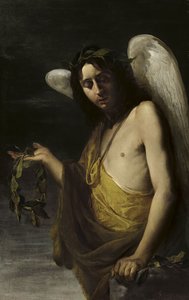
giovanni del campo (jean ducamp)
1600 - 1638 , France
Quick Facts
- Artistic Movement Or Style: Baroque
- Artists Or Movements Influenced By This Artist: ['Caravaggisti']
- Artists Who Influenced This Artist:
- Michelangelo
- Leonardo da Vinci
- Date Of Death: 1610
- Full Name: Caravaggio
- Nationality: Italian
- Notable Artworks:
- The Calling of St Matthew
- David and Goliath
- Place Of Birth: Milan, Italy

