

 Preview
 Send
Send Share
Share
 Details

 Download
 Similars
 X-Ray
X-Ray Diaporama
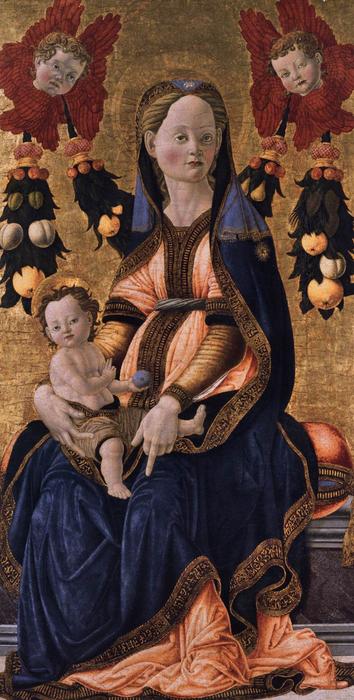
Virgin and Child


 Read More
Purchase a high-resolution, enhanced digital image, far superior to the online preview.
Each file is meticulously prepared by our in-house specialists using advanced tools and expert manual retouching. We ensure every image has exceptional clarity, precise color accuracy, and fine detail.
The final file is delivered via email within 72 hours, optimized for immediate use in professional, editorial, and print environments. This is the same quality trusted by top-tier design studios, publishers, and galleries.
Digital Image
Download a high-resolution file for personal display, printing, and creative projects. ( Buy Print Buy Hand Made Painting)
Included in Every Digital Image Order
Expert Digital Delivery, Guaranteed
When you choose ArtsDot.com, you're not just getting an image - you're receiving a professionally enhanced digital artwork, crafted with precision and backed by a satisfaction guarantee. Here's everything that comes with your order, automatically:

Fast Email Delivery
Your high-resolution digital image file will be emailed to you within 72 hours of ordering - ready for immediate use.

AI-Enhanced Digital File
Your artwork is professionally optimized using advanced AI tools and manual editing, ensuring maximum detail, clarity, and color accuracy.

Free Lifetime Re-Delivery
Accidentally deleted or lost your file? No worries - we'll resend it to you anytime, free of charge.

No Import Fees - Ever
Enjoy your artwork instantly with zero customs, duties, or delivery fees - digital downloads are always tax-free.

Color Accuracy Guarantee
We ensure your digital image reflects the original colors as closely as possible using professional tools and color management.

60-Day Satisfaction Guarantee
If you're not satisfied with your digital image, we'll revise it or refund 100% within 60 days - no questions asked.

100% Money-Back Guarantee
Not satisfied? Get a full refund within 60 days of receiving your digital file - no questions asked.

Bulk Order Discounts
Buy 3 images, save 10% - Buy 5, save 15% - Buy 10+, save 20%. Great for creative projects, galleries, and agencies.
Related Artworks








Artist Biography
Lorenzo di Niccolò: A Bridge Between Gothic and Renaissance Florence
Lorenzo di Niccolò, a name often overshadowed by the titans of the Florentine Renaissance, nevertheless represents a crucial transitional figure in the city’s artistic evolution. Born around 1374 – though the precise date remains elusive – Lorenzo’s life and work offer a fascinating glimpse into the shifting sensibilities of late Medieval Italy as it cautiously embraced the burgeoning ideals of the Early Renaissance. Active primarily between 1391 and 1412, his career was largely shaped by apprenticeship under the esteemed Niccolò di Pietro Gerini, a master known for managing large-scale projects rather than specializing in individual artistic mastery. This arrangement, while providing Lorenzo with invaluable experience, arguably limited his exposure to the most advanced techniques of the time, resulting in a style that retains echoes of the Gothic tradition alongside nascent Renaissance elements. Lorenzo’s early works predominantly featured religious scenes executed in tempera on gold backgrounds – a common practice reflecting the devotional fervor of the period. His paintings, such as *S. Giovanni and his enemy before the crucifix in Saint Miniato*, are characterized by a meticulous attention to detail and a formal elegance that speaks to his training. However, they also reveal a certain hesitancy, a reluctance to fully break free from the stylized figures and flattened perspectives of Gothic art. The drapery, while rendered with skill, lacks the dynamism and naturalism that would become hallmarks of later Renaissance painters. Despite this, Lorenzo’s work is not simply a derivative imitation; it demonstrates an understanding of perspective and composition, albeit applied within a framework still heavily influenced by medieval conventions. Lorenzo's artistic development was significantly shaped by his association with Spinello Aretino, a painter known for his expressive brushwork and imaginative compositions. Spinello’s large-scale frescos, particularly those in the Palazzo Vecchio, provided Lorenzo with a model of freedom and visual storytelling – a stark contrast to Gerini’s more structured approach. This influence is evident in Lorenzo's later works, which display a greater sense of spontaneity and emotional depth. Furthermore, Lorenzo seems to have drawn inspiration from other prominent artists of his time, including Lorenzo Monaco and Mariotto di Nardo, whose innovative techniques and compositional strategies undoubtedly informed his own artistic practice. His connection to the Medici e Speziali guild around 1408 and membership in the Compagnia di San Luca in 1410 further solidify his position within Florence’s vibrant artistic community.- Key Characteristics of Lorenzo's Style:
- Tempera on gold backgrounds
- Formal elegance and meticulous detail
- Echoes of Gothic style in figures and perspective
- Increasingly expressive compositions influenced by Spinello Aretino
The Influence of Gerini and the Bottega System
Lorenzo’s early training under Niccolò di Pietro Gerini profoundly shaped his artistic approach. Gerini operated a large workshop (bottega) where he oversaw numerous artists working on diverse projects, prioritizing organizational skills and efficient production over individual artistic development. This system, while providing Lorenzo with valuable experience in managing complex commissions and collaborating within a team, arguably limited his opportunities to hone his own unique style. Gerini’s focus was less on mastering the intricacies of painting techniques and more on coordinating the logistical aspects of large-scale projects – a pragmatic approach that contrasted sharply with the pursuit of artistic excellence championed by some of Florence's leading artists.- The Bottega System: A Focus on Production
- Gerini’s Role as Workshop Manager
- Limited Opportunities for Individual Artistic Development
Lorenzo’s Place in Florentine Art History
Lorenzo di Niccolò’s career coincided with a period of significant artistic ferment in Florence – the transition from the Gothic to the Renaissance. While he never achieved the fame or recognition of artists like Brunelleschi, Donatello, and Masaccio, his work offers a valuable record of this transitional phase. His paintings reflect the lingering influence of medieval aesthetics while simultaneously incorporating elements of emerging Renaissance principles, such as increased naturalism and a greater emphasis on perspective. Lorenzo’s contribution lies not in groundbreaking innovation but rather in his ability to synthesize diverse artistic influences and adapt them to the specific context of Florentine art during the early 15th century.Concluding Thoughts: A Quiet Master
Ultimately, Lorenzo di Niccolò remains a somewhat enigmatic figure in the history of Renaissance art. He was not a revolutionary artist, but rather a skilled craftsman who played a crucial role in shaping the artistic landscape of Florence during a period of profound transformation. His work serves as a reminder that the development of the Renaissance was not a sudden break from the past but a gradual and complex process – one marked by the contributions of countless artists working within diverse traditions. Further research continues to illuminate his place within the Florentine art world, solidifying his position as a significant, if often overlooked, figure in the early history of Italian painting.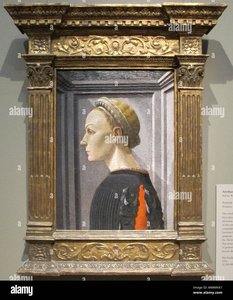
giovanni di francesco del cervelliera
1412 - 1459 , Italy
Quick Facts
- Artistic Movement Or Style:
- Trecento
- Early Renaissance
- Gothic influence
- Artists Or Movements Influenced By This Artist: ['Spinello Aretino']
- Artists Who Influenced This Artist:
- Niccolò di Pietro Gerini
- Lorenzo Monaco
- Mariotto di Nardo
- Andrea di Giusto
- Date Of Death: 1459
- Full Name: Lorenzo di Niccolò
- Nationality: Italian
- Notable Artworks: ['S. Giovanni and his enemy']
- Place Of Birth: Florence, Italy

