

 Preview
 Send
Send Share
Share
 Details

 Download
 Similars
 X-Ray
X-Ray Diaporama
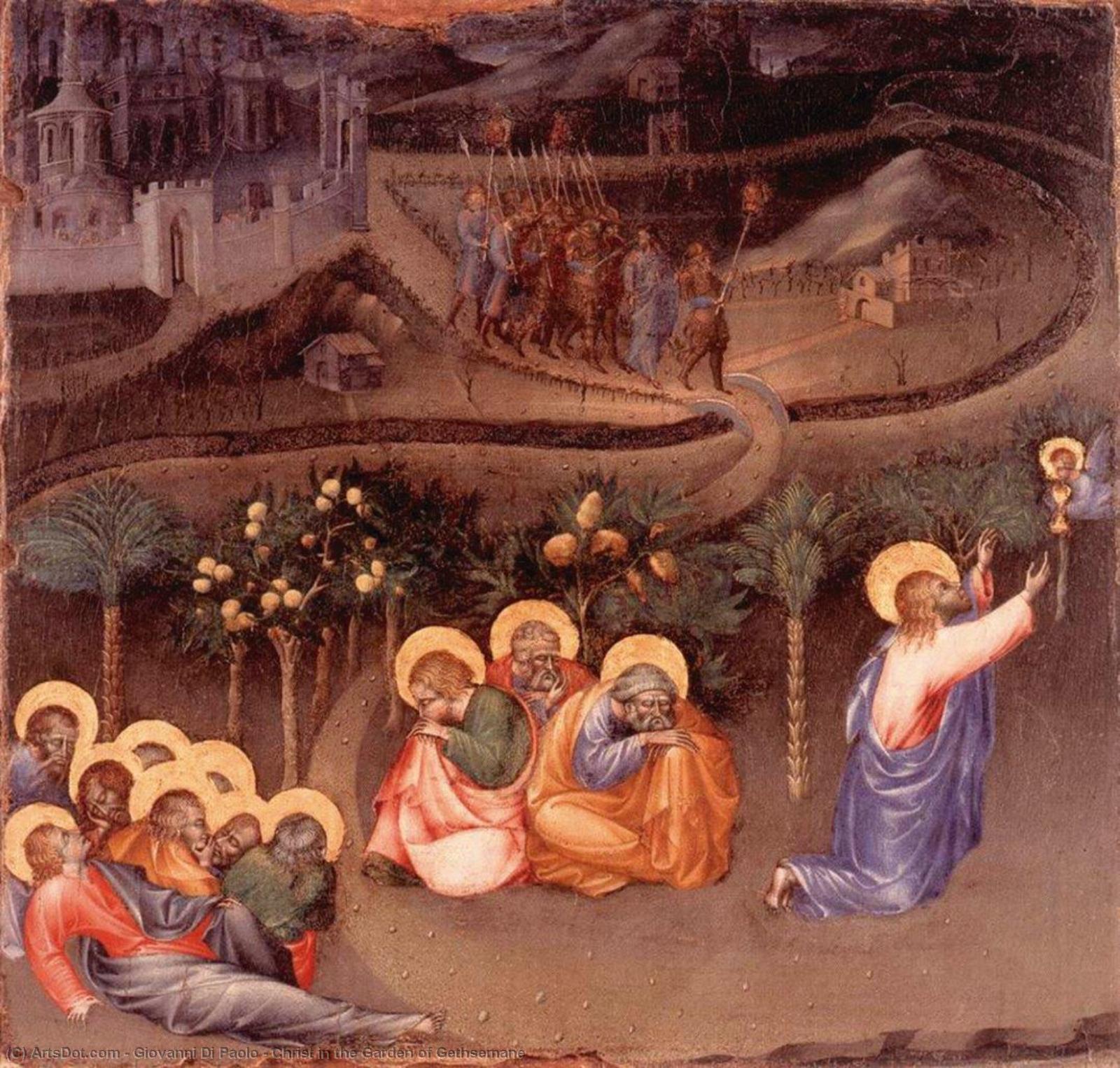
Christ in the Garden of Gethsemane
 Acrylic On Canvas
- WallArt
- Early Italian Renaissance
 1430
1430 29.0 x 30.0 cm
 Pinacoteca
 Read More
Purchase a high-resolution, enhanced digital image, far superior to the online preview.
Each file is meticulously prepared by our in-house specialists using advanced tools and expert manual retouching. We ensure every image has exceptional clarity, precise color accuracy, and fine detail.
The final file is delivered via email within 72 hours, optimized for immediate use in professional, editorial, and print environments. This is the same quality trusted by top-tier design studios, publishers, and galleries.
Digital Image
Download a high-resolution file for personal display, printing, and creative projects. ( Buy Print Buy Hand Made Painting)
Included in Every Digital Image Order
Expert Digital Delivery, Guaranteed
When you choose ArtsDot.com, you're not just getting an image - you're receiving a professionally enhanced digital artwork, crafted with precision and backed by a satisfaction guarantee. Here's everything that comes with your order, automatically:

Fast Email Delivery
Your high-resolution digital image file will be emailed to you within 72 hours of ordering - ready for immediate use.

AI-Enhanced Digital File
Your artwork is professionally optimized using advanced AI tools and manual editing, ensuring maximum detail, clarity, and color accuracy.

Free Lifetime Re-Delivery
Accidentally deleted or lost your file? No worries - we'll resend it to you anytime, free of charge.

No Import Fees - Ever
Enjoy your artwork instantly with zero customs, duties, or delivery fees - digital downloads are always tax-free.

Color Accuracy Guarantee
We ensure your digital image reflects the original colors as closely as possible using professional tools and color management.

60-Day Satisfaction Guarantee
If you're not satisfied with your digital image, we'll revise it or refund 100% within 60 days - no questions asked.

100% Money-Back Guarantee
Not satisfied? Get a full refund within 60 days of receiving your digital file - no questions asked.

Bulk Order Discounts
Buy 3 images, save 10% - Buy 5, save 15% - Buy 10+, save 20%. Great for creative projects, galleries, and agencies.
A Dreamlike Triumph: Giovanni di Paolo’s ‘Christ in the Garden of Gethsemane’
Giovanni di Paolo's “Christ in the Garden of Gethsemane,” painted around 1430, stands as a testament to the enduring power of Gothic sensibilities blended with nascent Renaissance innovation. This fresco, housed within the Basilica dei Santi Giovanni e Paolo in Venice, isn’t merely a depiction of biblical scripture; it’s an immersive experience crafted by a master who prioritized emotional resonance and meticulous detail—characteristics that continue to captivate audiences today.The Scene: Drama Under Tuscan Skies
The artwork portrays Jesus Christ at the crux of a pivotal moment – his agonizing prayer before his arrest in Jerusalem. Di Paolo skillfully captures this tension through a landscape setting reminiscent of Tuscany, rendered with hazy atmospheric perspective. Distant fortifications and buildings contribute to the depth of space, guiding the viewer’s gaze towards the central figures. The artist's deliberate use of linear perspective elevates the composition beyond simple representation, conveying a profound sense of realism and narrative urgency.Style & Technique: Fresco Secco – Layers of Illusion
Di Paolo employed fresco secco—dry fresco—a technique favored by artists of his era—to achieve remarkable textural complexity. Applying pigment to plaster ensures a matte surface that subtly captures variations in color and tone, resulting in an image imbued with palpable warmth. The artist’s layering of glazes – a hallmark of Renaissance painting – builds up luminous hues and creates an illusion of depth, mirroring the spiritual intensity of the subject matter. Careful attention was paid to anatomical accuracy, reflecting the humanist ideals gaining traction during this period, yet retaining the expressive gestures characteristic of Gothic art.Symbolism: Palms, Prayer & Divine Presence
The artwork overflows with symbolic significance. The disciples surrounding Christ hold palm branches—a gesture of homage and victory—underscoring the triumphant narrative unfolding before us. Jesus’s posture embodies humility and sorrow as he wrestles with his impending fate, conveying a powerful message about faith and sacrifice. Di Paolo's masterful depiction captures not only the visual drama but also the profound spiritual contemplation inherent in this iconic biblical scene.Emotional Impact: Reverence & Artistic Genius
“Christ in the Garden of Gethsemane” transcends mere illustration; it’s an invitation to contemplate themes of suffering, devotion, and divine grace. Giovanni di Paolo's ability to evoke emotion through color, composition, and texture speaks volumes about his artistic vision—a vision rooted in tradition yet propelled forward by a burgeoning Renaissance spirit. Its enduring beauty continues to inspire admiration and serves as a poignant reminder of the transformative power of art.- Artist: Giovanni di Paolo
- Date: 1430
- Medium: Fresco Secco
- Location: Basilica dei Santi Giovanni e Paolo, Venice
Related Artworks
Artist Biography
A Sienese Painter of Dreams
Giovanni di Paolo, born in Siena around 1403, stands as a fascinating and somewhat enigmatic figure within the landscape of early Renaissance Italian art. While overshadowed by contemporaries like Masaccio and Donatello who championed a new naturalism, Giovanni carved his own unique path, preserving the lyrical intensity of Gothic traditions while subtly absorbing emerging Renaissance sensibilities. His life, though documented in fragments, reveals an artist deeply rooted in the Sienese artistic community, initially serving as a manuscript illuminator for the Dominican Order from approximately 1417. This early training honed his meticulous attention to detail and refined color application—skills that would become hallmarks of his distinctive style. It’s believed he may have received formative instruction from established Sienese masters such as Taddeo di Bartolo or Martino di Bartolomeo, though the precise nature of these apprenticeships remains open to scholarly debate.The Embrace of Gothic Tradition and Emerging Influences
Giovanni di Paolo’s artistic development unfolded against a backdrop of shifting aesthetic currents. Siena, while once a leading artistic center, was gradually yielding ground to Florence's burgeoning Renaissance innovations. Yet, Giovanni remained steadfastly connected to the city’s rich Gothic heritage. His early works clearly demonstrate this allegiance—elongated figures, decorative patterns, and a preference for brilliant, sometimes jarring color combinations all echo the stylistic conventions of his predecessors. However, around 1420, a pivotal moment arrived with the visit of Gentile da Fabriano to Siena. This encounter profoundly impacted Giovanni’s artistic vision. He eagerly adopted elements of Gentile's style, particularly the incorporation of naturalistic details—delicate flowering plants and meticulously rendered landscapes—within religious scenes. This marked a departure from the more austere depictions favored by earlier Sienese painters, infusing his work with a newfound sense of observation and detail. But Giovanni didn’t simply imitate; he synthesized these influences into something uniquely his own, creating compositions that often possess an ethereal, dreamlike quality—a characteristic that sets him apart.Masterpieces of Surreal Vision
Giovanni di Paolo's oeuvre is remarkably diverse, encompassing altarpieces, panel paintings, and exquisitely illuminated manuscripts. His most celebrated works demonstrate a remarkable ability to transform traditional religious narratives into captivating visual experiences. The Miracle of St. Nicholas of Tolentino, painted around 1455, stands as a prime example of his surreal style. The painting depicts a fantastical landscape populated by elongated figures and imbued with an otherworldly atmosphere. It’s not merely a depiction of a miracle; it's an evocation of spiritual ecstasy and divine intervention. Equally compelling is the dispersed series depicting scenes from the life of Saint Catherine of Siena, now scattered across various museums. These panels showcase his mastery of narrative painting and expressive characterization, capturing the saint’s piety, intellectual strength, and mystical experiences with remarkable sensitivity. Beyond these iconic works, Giovanni's illuminated manuscripts—particularly those illustrating Dante’s Divine Comedy—reveal a virtuoso command of detail and vibrant color, demonstrating his versatility as an artist across different mediums. His *Christ in the Garden of Gethsemane* (c. 1430) is another compelling example of his dramatic narrative skill and rich palette.A Legacy Rediscovered
Following Giovanni di Paolo’s death in Siena in 1482, his reputation gradually faded into relative obscurity. For centuries, he was largely overlooked by art historians, overshadowed by the more celebrated figures of the Renaissance. However, during the 20th century, a renewed appreciation for his unique artistic vision began to emerge. Scholars recognized him as a pivotal figure in the Sienese School, bridging the gap between late Gothic art and the early Renaissance. His willingness to experiment with form and color, coupled with his distinctive dreamlike aesthetic, set him apart from his contemporaries. He is now acknowledged not merely as a follower of tradition but as an innovator who anticipated certain aspects of Mannerism and even foreshadowed the expressive tendencies of 20th-century art. Giovanni di Paolo’s legacy lies in his ability to create works that are both deeply rooted in medieval spirituality and remarkably forward-looking in their artistic sensibility—a testament to the enduring power of a truly original vision.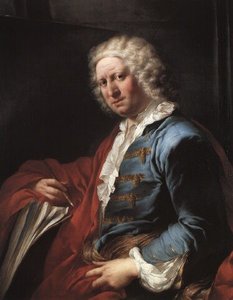
Giovanni di Paolo
1403 - 1482 , Italy
Quick Facts
- Artistic Movement Or Style: Gothic & Renaissance
- Artists Or Movements Influenced By This Artist:
- Mannerism
- Expressionism
- Artists Who Influenced This Artist:
- Taddeo di Bartolo
- Martino di Bartolomeo
- Gentile da Fabriano
- Date Of Birth: c. 1403
- Date Of Death: 1482
- Full Name: Giovanni di Paolo di Grazia
- Nationality: Italian
- Notable Artworks:
- Miracle of St. Nicholas
- St. Catherine Series
- Christ in the Garden
- Nativity
- Crucifixion
- Place Of Birth: Siena, Italy

