

 Preview
 Send
Send Share
Share
 Details

 Download
 Similars
 X-Ray
X-Ray Diaporama
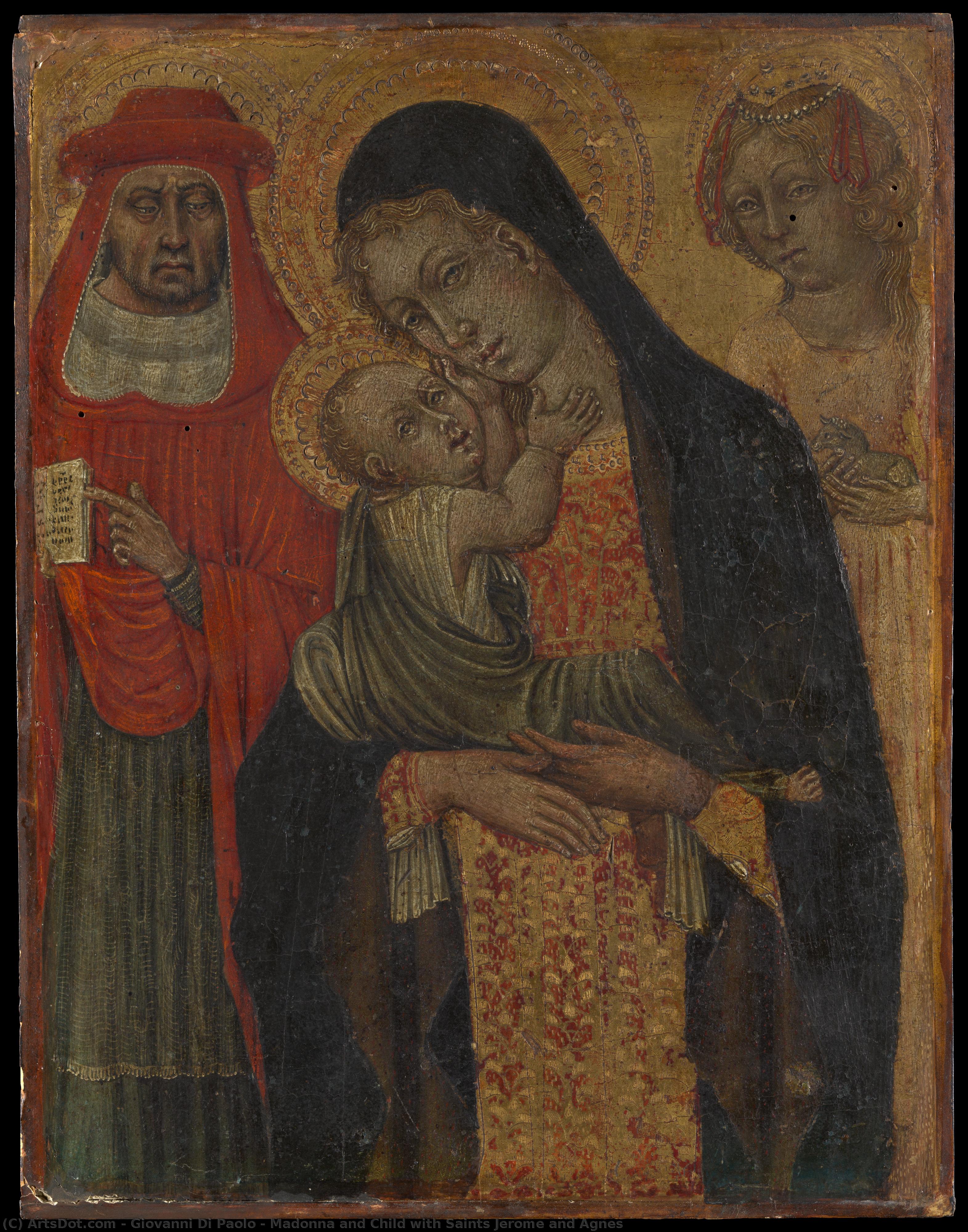
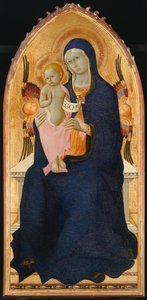
Madonna and Child with Saints Jerome and Agnes
 Acrylic On Canvas
- WallArt
- Early Renaissance
 1465
1465 32.0 x 25.0 cm
 Metropolitan Museum of Art
 Read More
Purchase a high-resolution, enhanced digital image, far superior to the online preview.
Each file is meticulously prepared by our in-house specialists using advanced tools and expert manual retouching. We ensure every image has exceptional clarity, precise color accuracy, and fine detail.
The final file is delivered via email within 72 hours, optimized for immediate use in professional, editorial, and print environments. This is the same quality trusted by top-tier design studios, publishers, and galleries.
Digital Image
Download a high-resolution file for personal display, printing, and creative projects. ( Buy Print Buy Hand Made Painting)
Included in Every Digital Image Order
Expert Digital Delivery, Guaranteed
When you choose ArtsDot.com, you're not just getting an image - you're receiving a professionally enhanced digital artwork, crafted with precision and backed by a satisfaction guarantee. Here's everything that comes with your order, automatically:

Fast Email Delivery
Your high-resolution digital image file will be emailed to you within 72 hours of ordering - ready for immediate use.

AI-Enhanced Digital File
Your artwork is professionally optimized using advanced AI tools and manual editing, ensuring maximum detail, clarity, and color accuracy.

Free Lifetime Re-Delivery
Accidentally deleted or lost your file? No worries - we'll resend it to you anytime, free of charge.

No Import Fees - Ever
Enjoy your artwork instantly with zero customs, duties, or delivery fees - digital downloads are always tax-free.

Color Accuracy Guarantee
We ensure your digital image reflects the original colors as closely as possible using professional tools and color management.

60-Day Satisfaction Guarantee
If you're not satisfied with your digital image, we'll revise it or refund 100% within 60 days - no questions asked.

100% Money-Back Guarantee
Not satisfied? Get a full refund within 60 days of receiving your digital file - no questions asked.

Bulk Order Discounts
Buy 3 images, save 10% - Buy 5, save 15% - Buy 10+, save 20%. Great for creative projects, galleries, and agencies.
Collectible Description
A Glimpse into Sienese Dreams: Giovanni di Paolo’s Madonna and Child
The year is 1465, and within the vibrant artistic heart of Siena, a painter named Giovanni di Paolo was meticulously crafting an image that would resonate across centuries – the “Madonna and Child with Saints Jerome and Agnes.” This isn't merely a depiction of the Virgin Mary and her infant son; it’s a window into the soul of early Renaissance Italy, imbued with the lingering beauty of Gothic traditions and subtly embracing the burgeoning naturalism of the era. Giovanni di Paolo, born around 1403, was a master of lyrical intensity, a painter who prioritized emotional resonance over strict realism – a characteristic that shines brilliantly in this particular panel painting.
The artwork immediately captivates with its rich palette and dramatic use of light. Deep reds dominate Mary’s flowing robes, drawing the eye to her serene expression and the luminous glow surrounding the Christ Child. The infant is nestled close to her breast, a gesture of profound tenderness and protection, rendered in delicate white against the darker hues of the background. Beyond this central devotional scene, three additional figures – Saints Jerome and Agnes, along with an unidentified third saint – are arranged within the composition, adding layers of narrative and spiritual depth. The careful placement of these saints, one on the left, another on the right, and a third subtly positioned above the main scene, creates a dynamic balance that invites contemplation.
The Techniques of a Sienese Master
Giovanni di Paolo’s style is immediately recognizable – a distinctive blend of Gothic formality and nascent Renaissance influence. He employed tempera on wood, a technique favored for its luminosity and durability, and utilized gold leaf extensively, particularly in the clothing and halos of the figures. This lavish use of gold wasn't simply decorative; it served to elevate the sacred subject matter, symbolizing divine grace and illuminating the scene with an ethereal quality. The artist’s meticulous attention to detail is evident in every brushstroke – from the folds of Mary’s garments to the intricate patterns adorning the saints’ robes. The use of layered glazing creates a remarkable sense of depth and texture, bringing the figures to life with a palpable warmth.
Notably, Giovanni di Paolo's work often features a slightly flattened perspective, characteristic of his time. This isn’t a rejection of spatial realism but rather an artistic choice that prioritizes emotional impact over strict adherence to linear perspective. The background is rendered in dark, muted tones, further emphasizing the central figures and creating a sense of intimacy within the scene.
Symbolism and Spiritual Significance
The “Madonna and Child” is rich with symbolic meaning, reflecting the theological concerns of the period. Mary’s posture – her hand gently touching the Christ Child – represents divine motherhood and the nurturing power of faith. The presence of Saints Jerome and Agnes underscores the importance of monastic life and devotion to God. The inclusion of the three saints also suggests a broader representation of Christian virtues, inviting viewers to contemplate their own spiritual journey.
Furthermore, the small details within the painting – the fruit in the bowl, for instance – are laden with symbolic significance. Cherries represent Christ’s blood, plums symbolize tenderness and love, and figs allude to the resurrection. These carefully chosen elements contribute to a complex tapestry of meaning that rewards careful observation.
A Timeless Icon: Reproduction and Beyond
ArtsDot is proud to offer meticulously crafted hand-painted reproductions of Giovanni di Paolo’s “Madonna and Child with Saints Jerome and Agnes.” These reproductions capture the essence of the original painting – its luminous colors, intricate details, and profound spiritual depth. Whether you're an art enthusiast, a collector seeking a unique addition to your collection, or simply someone drawn to the beauty of Renaissance art, this reproduction provides a stunning way to experience one of Siena’s most treasured masterpieces. Imagine this iconic image gracing your walls – a testament to the enduring power of faith and artistic vision.
Related Artworks
Artist Biography
A Sienese Painter of Dreams
Giovanni di Paolo, born in Siena around 1403, stands as a fascinating and somewhat enigmatic figure within the landscape of early Renaissance Italian art. While overshadowed by contemporaries like Masaccio and Donatello who championed a new naturalism, Giovanni carved his own unique path, preserving the lyrical intensity of Gothic traditions while subtly absorbing emerging Renaissance sensibilities. His life, though documented in fragments, reveals an artist deeply rooted in the Sienese artistic community, initially serving as a manuscript illuminator for the Dominican Order from approximately 1417. This early training honed his meticulous attention to detail and refined color application—skills that would become hallmarks of his distinctive style. It’s believed he may have received formative instruction from established Sienese masters such as Taddeo di Bartolo or Martino di Bartolomeo, though the precise nature of these apprenticeships remains open to scholarly debate.The Embrace of Gothic Tradition and Emerging Influences
Giovanni di Paolo’s artistic development unfolded against a backdrop of shifting aesthetic currents. Siena, while once a leading artistic center, was gradually yielding ground to Florence's burgeoning Renaissance innovations. Yet, Giovanni remained steadfastly connected to the city’s rich Gothic heritage. His early works clearly demonstrate this allegiance—elongated figures, decorative patterns, and a preference for brilliant, sometimes jarring color combinations all echo the stylistic conventions of his predecessors. However, around 1420, a pivotal moment arrived with the visit of Gentile da Fabriano to Siena. This encounter profoundly impacted Giovanni’s artistic vision. He eagerly adopted elements of Gentile's style, particularly the incorporation of naturalistic details—delicate flowering plants and meticulously rendered landscapes—within religious scenes. This marked a departure from the more austere depictions favored by earlier Sienese painters, infusing his work with a newfound sense of observation and detail. But Giovanni didn’t simply imitate; he synthesized these influences into something uniquely his own, creating compositions that often possess an ethereal, dreamlike quality—a characteristic that sets him apart.Masterpieces of Surreal Vision
Giovanni di Paolo's oeuvre is remarkably diverse, encompassing altarpieces, panel paintings, and exquisitely illuminated manuscripts. His most celebrated works demonstrate a remarkable ability to transform traditional religious narratives into captivating visual experiences. The Miracle of St. Nicholas of Tolentino, painted around 1455, stands as a prime example of his surreal style. The painting depicts a fantastical landscape populated by elongated figures and imbued with an otherworldly atmosphere. It’s not merely a depiction of a miracle; it's an evocation of spiritual ecstasy and divine intervention. Equally compelling is the dispersed series depicting scenes from the life of Saint Catherine of Siena, now scattered across various museums. These panels showcase his mastery of narrative painting and expressive characterization, capturing the saint’s piety, intellectual strength, and mystical experiences with remarkable sensitivity. Beyond these iconic works, Giovanni's illuminated manuscripts—particularly those illustrating Dante’s Divine Comedy—reveal a virtuoso command of detail and vibrant color, demonstrating his versatility as an artist across different mediums. His *Christ in the Garden of Gethsemane* (c. 1430) is another compelling example of his dramatic narrative skill and rich palette.A Legacy Rediscovered
Following Giovanni di Paolo’s death in Siena in 1482, his reputation gradually faded into relative obscurity. For centuries, he was largely overlooked by art historians, overshadowed by the more celebrated figures of the Renaissance. However, during the 20th century, a renewed appreciation for his unique artistic vision began to emerge. Scholars recognized him as a pivotal figure in the Sienese School, bridging the gap between late Gothic art and the early Renaissance. His willingness to experiment with form and color, coupled with his distinctive dreamlike aesthetic, set him apart from his contemporaries. He is now acknowledged not merely as a follower of tradition but as an innovator who anticipated certain aspects of Mannerism and even foreshadowed the expressive tendencies of 20th-century art. Giovanni di Paolo’s legacy lies in his ability to create works that are both deeply rooted in medieval spirituality and remarkably forward-looking in their artistic sensibility—a testament to the enduring power of a truly original vision.
Giovanni di Paolo
1403 - 1482 , Italy
Quick Facts
- Artistic Movement Or Style: Gothic & Renaissance
- Artists Or Movements Influenced By This Artist:
- Mannerism
- Expressionism
- Artists Who Influenced This Artist:
- Taddeo di Bartolo
- Martino di Bartolomeo
- Gentile da Fabriano
- Date Of Birth: c. 1403
- Date Of Death: 1482
- Full Name: Giovanni di Paolo di Grazia
- Nationality: Italian
- Notable Artworks:
- Miracle of St. Nicholas
- St. Catherine Series
- Christ in the Garden
- Nativity
- Crucifixion
- Place Of Birth: Siena, Italy

