 Preview
 Send
Send Share
Share
 Details

 Download
 Similars
 X-Ray
X-Ray Diaporama
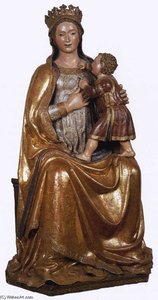
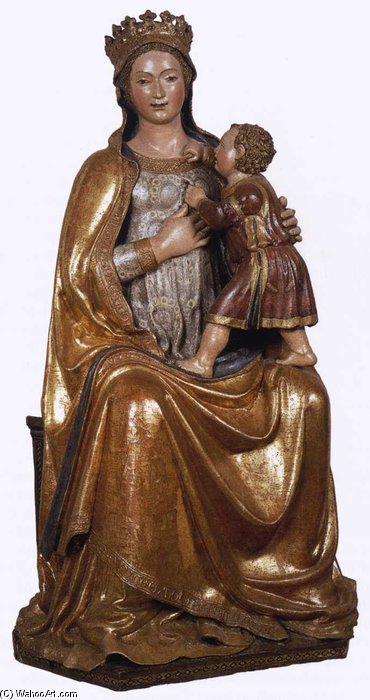
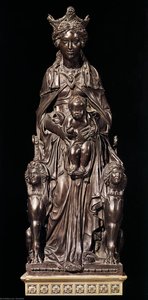
Madonna Of The Magnificat
 Read More
Hand Made Oil Reproduction
Hand-painted oil on canvas in your size and frame, made to order by our artists. ( Buy Print Buy Image)




































Pick from our preset sizes that match the artwork's original proportions.

You may enter your own dimensions to fit a specific frame or space. If your selected size does not match the original image's proportions, we will either crop the artwork or extend the painting with additional hand-painted elements. A digital mockup will be sent for your approval before production begins.
Please note that the on-screen preview does not reflect the actual cropping or extension. Only the mockup will accurately show the final composition.
While custom sizes are available, we recommend selecting a dimension from the predefined list to preserve the original proportions.
After order, ArtsDot.com team will email client for instructions and provide a mockup preview
Worldwide Delivery () in 3/4 weeks instead of standard 5 weeks. (1 September). No compromise on quality.

Free Worldwide Express Shipping

High-Quality Linen Canvas

Full Shipping Insurance

Customs Tax Refund Guarantee

True Color Matching Guarantee

60-Day Return Policy (Defects Only)

100% Money-Back Guarantee

Bulk Discount Offer
 Glass option is only available in size under 110 CM

Madonna Of The Magnificat
Reproduction Medium
Reproduction Size
-


Total Price
$ 263
Related Artworks
Artist Biography
Giovanni Di Torino: The Silent Maestro of Siena Baptistery
Giovanni Battista Piranesi, born circa 1384 in Siena, Italy, remains an enigmatic figure within the Renaissance artistic landscape—a sculptor whose output is remarkably sparse yet profoundly influential. Unlike many of his contemporaries who achieved fame through monumental commissions and prolific production, Di Torino’s legacy rests primarily on a single masterpiece: the Baptistery of Siena Cathedral, where he collaborated with Lorenzo Ghiberti, Donatello, and Jacopo della Quercia to create an astonishing bronze font that redefined sculptural technique and aesthetic vision. Despite the paucity of surviving sculptures—only three confirmed works exist—Di Torino’s contribution to Sienese art history is undeniable, cementing his place as a pivotal innovator who pushed boundaries of artistic expression.- Early Life & Training: Little is known about Di Torino's formative years beyond documented records indicating he was apprenticed to Maestro Andrea Pisano in Pisa around 1405. Pisano’s workshop, renowned for its mastery of marble sculpture and Gothic architectural ornamentation, instilled in Di Torino a foundational understanding of sculptural form and craftsmanship—skills that would prove invaluable in his subsequent endeavors.
- The Baptistery Project: The commission to sculpt the Baptistery font represents Di Torino's crowning achievement. Facing immense pressure from Ghiberti and other prominent artists, he undertook this ambitious undertaking with unwavering dedication. He skillfully employed a technique known as *lost wax casting*, meticulously crafting intricate bronze panels depicting biblical scenes—primarily Saint John the Baptist—with unparalleled detail and expressive dynamism.
- Technique & Innovation: Di Torino’s sculptural approach distinguished itself from prevailing stylistic trends of the time. Rejecting the stylized conventions favored by many sculptors, he embraced a naturalistic style informed by humanist ideals—a conscious departure from the more rigid formalism characteristic of earlier Gothic sculpture. His mastery of *lost wax casting* ensured exceptional surface finish and textural complexity, elevating sculptural artistry to new heights.
- Influence & Legacy: Di Torino’s innovative technique profoundly impacted Venetian painting during the early Renaissance. Artists like Giovanni Battista Piranesi—a sculptor who would later become a celebrated architect and engraver—were deeply influenced by Di Torino's sculptural explorations of form, texture, and movement. His work served as a catalyst for artistic experimentation and contributed to the broader dissemination of humanist principles throughout Europe.
- Later Years & Death: Information regarding Di Torino’s life after the Baptistery project is scarce. He continued to sculpt in Siena until his death around 1455, leaving behind only three sculptures—the Madonna and Child, Saint John the Baptist, and a funerary monument for Giovanni Battista Benedetti—testaments to his enduring artistic talent and unwavering commitment to sculptural excellence.
Exploring Di Torino’s Artistic Vision: The Baptistery Font – A Triumph of Technique
The Baptistery font stands as an unparalleled exemplar of Renaissance sculpture, embodying Di Torino's groundbreaking mastery of *lost wax casting*. This technique—developed centuries earlier but perfected by Di Torino—allowed for the creation of extraordinarily detailed bronze panels that captured biblical narratives with breathtaking realism. The sculptor’s meticulous attention to surface texture and anatomical accuracy—evident in the musculature of Saint John the Baptist—challenged conventional sculptural conventions and established a new standard for artistic excellence. Furthermore, Di Torino's innovative approach to composition—characterized by dynamic movement and expressive gestures—anticipated developments in Venetian painting and signaled a decisive shift toward humanist ideals within the visual arts.The Madonna and Child: A Reflection of Humanist Ideals
Among Di Torino’s surviving sculptures, the Madonna and Child exemplifies his commitment to portraying human figures with dignity and compassion—a hallmark of humanist artistic philosophy. Crafted from marble, this serene depiction captures the Virgin Mary cradling Jesus Christ in a posture conveying tenderness and maternal devotion. The sculptor skillfully rendered anatomical detail while simultaneously emphasizing spiritual contemplation—reflecting the Renaissance fascination with classical ideals of beauty and proportion. This artwork underscores Di Torino’s profound understanding of human anatomy and his ability to convey emotion through sculptural form, solidifying his reputation as a master craftsman who elevated artistic expression beyond mere technical proficiency.Giovanni Battista Benedetti Monument: A Testament to Siena's Patronage
The funerary monument commemorating Giovanni Battista Benedetti—Di Torino’s final sculpture—represents a poignant reminder of the sculptor’s enduring legacy and Siena’s patronage of artistic endeavors. Executed in marble, this monumental piece showcases Di Torino’s exceptional sculptural skill while simultaneously conveying solemn reverence for the deceased. The statue's dignified pose and meticulous anatomical rendering underscore Di Torino’s unwavering dedication to capturing human form with accuracy and grace—a testament to his mastery of sculptural technique and artistic vision.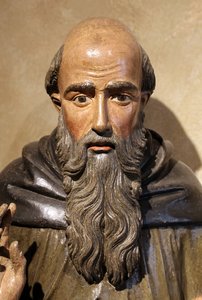
giovanni di turino
1384 - 1455 , Italy
Quick Facts
- Artistic Movement Or Style: Early Renaissance
- Artists Or Movements Influenced By This Artist: ['Venetian Painting']
- Artists Who Influenced This Artist:
- Lorenzo Ghiberti
- Donatello
- Date Of Birth: ca. 1384 Siena Italy
- Date Of Death: ca. 1455 Siena Italy
- Full Name: Giovanni di Torino
- Nationality: Italian
- Notable Artworks:
- Madonna of Magnificat
- San Giovanni e Paolo
- Place Of Birth: Siena Italy