

 Preview
 Send
Send Share
Share
 Details

 Download
 Similars
 X-Ray
X-Ray Diaporama
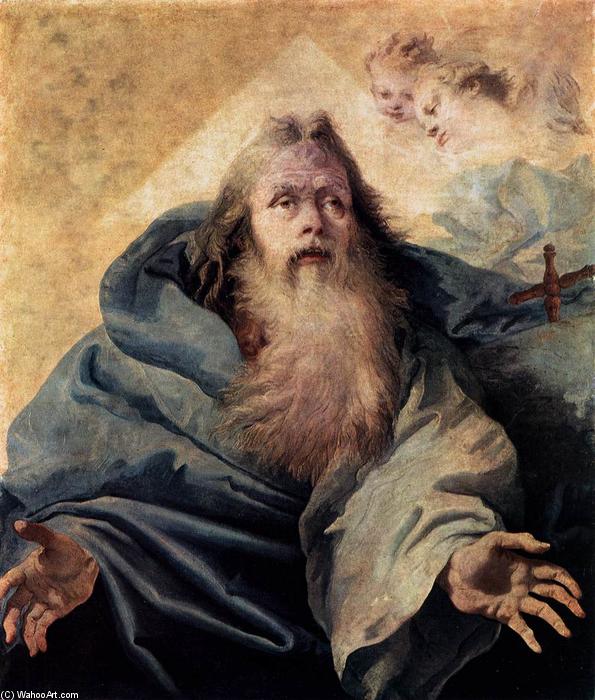
God the Father
 Oil On Canvas
- WallArt
- Rococo Fresco
 96.0 x 81.0 cm
 Szépmûvészeti Múzeum
 Read More
Purchase a high-resolution, enhanced digital image, far superior to the online preview.
Each file is meticulously prepared by our in-house specialists using advanced tools and expert manual retouching. We ensure every image has exceptional clarity, precise color accuracy, and fine detail.
The final file is delivered via email within 72 hours, optimized for immediate use in professional, editorial, and print environments. This is the same quality trusted by top-tier design studios, publishers, and galleries.
Digital Image
Download a high-resolution file for personal display, printing, and creative projects. ( Buy Print Buy Hand Made Painting)
Included in Every Digital Image Order
Expert Digital Delivery, Guaranteed
When you choose ArtsDot.com, you're not just getting an image - you're receiving a professionally enhanced digital artwork, crafted with precision and backed by a satisfaction guarantee. Here's everything that comes with your order, automatically:

Fast Email Delivery
Your high-resolution digital image file will be emailed to you within 72 hours of ordering - ready for immediate use.

AI-Enhanced Digital File
Your artwork is professionally optimized using advanced AI tools and manual editing, ensuring maximum detail, clarity, and color accuracy.

Free Lifetime Re-Delivery
Accidentally deleted or lost your file? No worries - we'll resend it to you anytime, free of charge.

No Import Fees - Ever
Enjoy your artwork instantly with zero customs, duties, or delivery fees - digital downloads are always tax-free.

Color Accuracy Guarantee
We ensure your digital image reflects the original colors as closely as possible using professional tools and color management.

60-Day Satisfaction Guarantee
If you're not satisfied with your digital image, we'll revise it or refund 100% within 60 days - no questions asked.

100% Money-Back Guarantee
Not satisfied? Get a full refund within 60 days of receiving your digital file - no questions asked.

Bulk Order Discounts
Buy 3 images, save 10% - Buy 5, save 15% - Buy 10+, save 20%. Great for creative projects, galleries, and agencies.
Collectible Description
The Weight of Divinity: Giovanni Domenico Tiepolo’s ‘God the Father’
Giovanni Domenico Tiepolo's “God the Father,” a monumental canvas measuring 96 x 81 cm, is not merely a depiction of a divine figure; it’s an immersive experience. Painted circa 1759, this work transcends simple portraiture, plunging the viewer into a realm of profound contemplation and spiritual yearning. The painting immediately commands attention with its muted palette – deep blues, earthy browns, and subtle greys – creating an atmosphere of solemnity and introspection. It’s a deliberate choice that contrasts sharply with the vibrant colors often associated with Tiepolo's earlier, more exuberant works, suggesting a shift in his artistic focus towards a quieter, more meditative style.
At the heart of the composition sits the Father figure himself – a man burdened by an almost palpable weariness. His long hair, unkempt and falling across his shoulders, speaks to a life lived with intensity, perhaps even hardship. The heavy cloak draped over his arms isn’t simply attire; it represents the weight of responsibility, the immense task of guiding humanity. His downcast gaze, directed towards his left hand outstretched as if reaching for an unseen solace, is profoundly moving. It's a gesture that invites us to share in his silent struggle – a poignant reminder of the human condition and our inherent need for connection.
A Rococo Vision Steeped in Symbolism
Tiepolo’s work firmly anchors itself within the traditions of the Rococo style, yet it possesses a unique depth that elevates it beyond mere decorative flourish. The two angelic figures flanking the Father are not simply attendants; they embody compassion and concern. Their hovering presence suggests a divine intervention, a silent offering of support to this weary deity. The use of light is masterful – a diffused glow illuminates the central figure, drawing our attention while simultaneously casting shadows that emphasize his vulnerability. This interplay of light and dark isn’t just aesthetic; it symbolizes the struggle between darkness and divinity, despair and hope.
Beyond the immediate depiction, “God the Father” is rich in symbolic language. The outstretched hand, a motif frequently found in depictions of God, represents both power and grace – the ability to bestow blessings while simultaneously acknowledging our need for guidance. The overall composition evokes a sense of pilgrimage, suggesting that the journey towards spiritual understanding is fraught with challenges but ultimately rewarding. It’s a visual meditation on faith, responsibility, and the enduring mystery of the divine.
Historical Context & The Tiepolo Legacy
Giovanni Domenico Tiepolo was a pivotal figure in his family's artistic dynasty, inheriting and expanding upon the legacy of his renowned father, Giovanni Battista Tiepolo. While Giovanni Battista was celebrated for his grand, theatrical frescoes adorning palaces across Europe, Giovanni Domenico developed a more introspective style, often focusing on smaller-scale works that explored themes of human emotion and spiritual contemplation. This painting exemplifies this shift – a departure from the bombastic displays of his father towards a quieter, more deeply felt expression of faith.
The work’s creation coincided with a period of significant artistic change in Europe, as the Rococo style began to give way to Neoclassicism. Tiepolo's approach, however, remained firmly rooted in the traditions of the past while subtly incorporating elements of contemporary sensibility. His meticulous attention to detail, combined with his masterful use of color and composition, ensures that “God the Father” remains a captivating testament to the enduring power of art to explore profound human experiences.
A Timeless Masterpiece for Reflection & Display
“God the Father” is more than just a beautiful painting; it’s an invitation to contemplate the complexities of faith, responsibility, and the human spirit. Its evocative imagery and masterful technique make it a compelling addition to any collection, while its quiet intensity offers a welcome respite from the noise and distractions of modern life. Reproductions of this remarkable work capture much of its original power, allowing art lovers to experience its profound beauty and spiritual depth in their own homes.
Related Artworks
Artist Biography
Giovanni Domenico Tiepolo: A Master of Rococo Frescoes
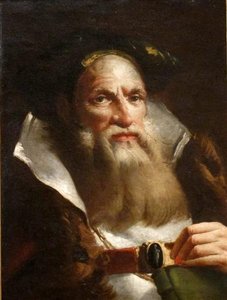
Giovanni Domenico Tiepolo (August 30, 1727 – March 3, 1804) was a prominent Italian painter and printmaker from the Republic of Venice. He is recognized as a leading figure in the Rococo style, inheriting and expanding upon the legacy of his renowned father, Giovanni Battista Tiepolo. His career spanned several decades, leaving behind a rich body of work characterized by vibrant colors, dynamic compositions, and elegant depictions of mythological scenes, portraits, and landscapes.
Early Life and Training
Born into an artistic family, Giovanni Domenico’s early life was deeply intertwined with the world of art. His father, Giovanni Battista Tiepolo, a celebrated painter known for his monumental frescoes, served as his primary mentor. Giovanni Domenico received rigorous training under his father's guidance, learning the techniques and stylistic nuances that would shape his own artistic development. He also benefited from exposure to other notable artists of the time, including Sebastiano Ricci and Federico Bencovich, further broadening his artistic horizons. As a young man, he frequently assisted his father on large-scale projects, gaining invaluable practical experience in fresco painting.
Artistic Career and Style
Giovanni Domenico’s career flourished throughout the 18th century. He established himself as a skilled artist capable of producing both independent works and contributing to collaborative projects. While initially working closely with his father, he gradually developed his own distinct style, though retaining elements of the Rococo aesthetic prevalent in Venetian art at the time. His artistic output included frescoes, paintings on canvas, and etchings.
- Frescoes: Tiepolo was particularly renowned for his frescoes, decorating numerous locations throughout Italy with elaborate scenes. Notable examples include the frescoes at Ca' Dolfin on the Grand Canal in Venice and the ceiling of the Gesuati (Santa Maria del Rosario) church, also in Venice.
- Paintings: Beyond frescoes, he created a significant number of paintings on canvas, often depicting mythological subjects or portraits. Examples include "Perseus and Andromeda" (view here), “The Rape of Europa” (view here) and "Hunter with Deer" (view here).
- Etchings: Tiepolo also demonstrated his skill in etching, creating detailed and expressive prints such as "Die heiligen Augustinus, Ludwig von Frankreich, Johannes Evangelist und Magnus" (view here) and “Apotheosis of Hercules” (view here).
Historical Significance
Giovanni Domenico Tiepolo played a crucial role in the continuation and evolution of Venetian Rococo art. While overshadowed by his father’s fame during his lifetime, he is now recognized as a significant artist in his own right. His frescoes and paintings offer valuable insights into the artistic tastes and cultural values of 18th-century Venice and Italy. His ability to blend classical themes with contemporary sensibilities solidified his place within the Rococo movement, leaving behind a legacy of vibrant artistry that continues to captivate audiences today.
Giovanni Domenico Tiepolo
2007 - 1770 , Italy
Quick Facts
- Artistic Movement Or Style: Rococo
- Artists Who Influenced This Artist: ['Giovanni Battista Tiepolo']
- Date Of Birth: August 30, 1727
- Date Of Death: March 3, 1804
- Full Name: Giovanni Domenico Tiepolo
- Nationality: Italian
- Notable Artworks:
- Perseus and Andromeda
- The Rape of Europa
- Hunter with Deer
- Die heiligen Augustinus
- Apollo and Diana
- Apotheosis of Hercules
- Place Of Birth: Venice, Italy

