

 Preview
 Send
Send Share
Share
 Details

 Download
 Similars
 X-Ray
X-Ray Diaporama
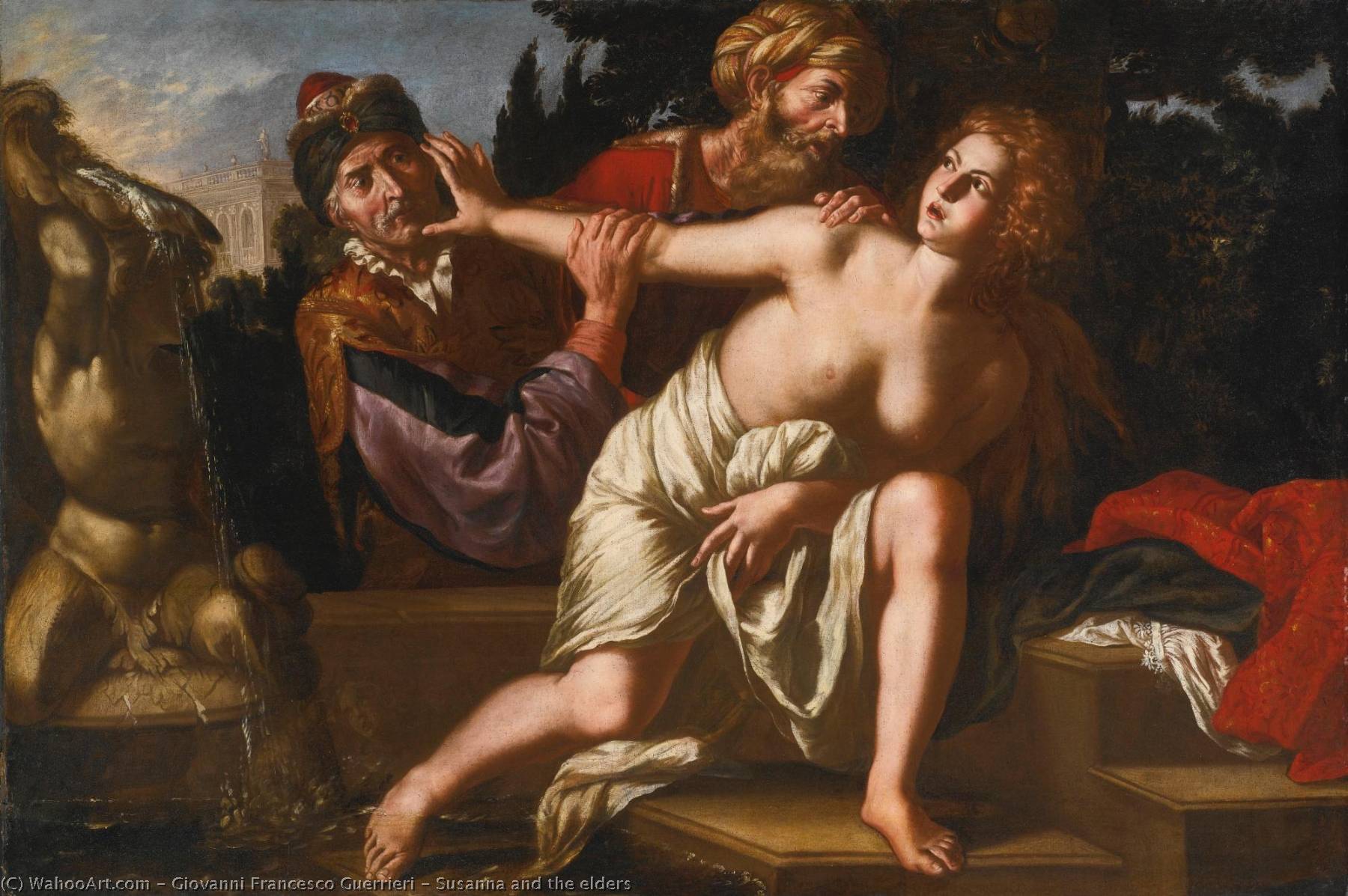
Susanna and the elders
 120.0 x 178.0 cm
 Read More
Giclée / Art Print
Museum-quality giclée or canvas print with fast production and flexible finish options. ( Buy Hand Made Painting Buy Image)




































Pick from our preset sizes that match the artwork's original proportions.

You may enter your own dimensions to fit a specific frame or space. If your selected size does not match the original image's proportions, we will either crop the artwork or extend the image with a mirrored or solid-fill edge. A digital mockup will be sent for your approval before production begins.
Please note that the on-screen preview does not reflect the actual cropping or extension. Only the mockup will accurately show the final composition.
While custom sizes are available, we recommend selecting a dimension from the predefined list to preserve the original proportions.
Worldwide Delivery () in 2 weeks instead of standard 4/5 weeks. (19 August)

Free Worldwide Express Shipping

High-Quality Linen Canvas

Full Shipping Insurance

Customs Tax Refund Guarantee

True Color Matching Guarantee

60-Day Return Policy (Defects Only)

100% Money-Back Guarantee

Bulk Discount Offer
 Glass option is only available in size under 110 CM

Susanna and the elders
Giclée / Art Print
Reproduction Size
-


Total Price
$ 63
Related Artworks
Artist Biography
Giovanni Francesco Guerrieri: A Bolognese Caravaggist Bridging Classicism and Baroque Emotion
Giovanni Francesco Guerrieri (b. 1589, Fossombrone, d. ca. 1657, Pesaro) stands as a pivotal figure in the artistic landscape of seventeenth-century Italy—a painter who skillfully navigated between the stylistic currents of Bolognese classicism and the dramatic fervor of Caravaggismo, leaving behind a legacy marked by religious devotion and masterful execution. Born into a family steeped in artistic tradition, Guerrieri’s formative years were spent honing his craft under the tutelage of luminaries like Orazio Gentileschi, establishing him firmly within the burgeoning Bolognese Baroque movement. ### Early Training and Artistic Influences Gentileschi's influence profoundly shaped Guerrieri’s aesthetic sensibilities—a commitment to anatomical accuracy combined with expressive dynamism that would characterize much of his oeuvre. Unlike Caravaggio’s stark chiaroscuro, Gentileschi championed a more nuanced approach to light and shadow, prioritizing naturalistic observation alongside idealized beauty. This dual focus became a cornerstone of Guerrieri's artistic vision, evident in his depictions of saints and biblical narratives where he sought to convey both spiritual truth and palpable emotion. The Bolognese school’s emphasis on disegno—the careful rendering of form—provided Guerrieri with invaluable technical skills that would serve him well throughout his career. ### Roman Period and Commissions: Embracing Baroque Drama Guerrieri's relocation to Rome in 1606 marked a decisive turning point, propelling him into the epicenter of artistic innovation. He enrolled at the Accademia Filosofica Romana, immersing himself in humanist scholarship alongside fellow artists—a pursuit that fostered intellectual curiosity and broadened his understanding of classical ideals. However, it was his engagement with Marcantonio II Borghese’s ambitious palazzo project that cemented his reputation as a Caravaggist—a painter who embraced the Baroque fascination for theatrical spectacle and emotional intensity. The frescoes adorning Palazzo Borghese showcased Guerrieri's mastery of composition and color, reflecting the stylistic preferences of the era while retaining an underlying sense of humanist contemplation. ### Notable Works: Miracles of St. Nicholas and Beyond Among Guerrieri’s most celebrated achievements are two versions of “Miracles of St. Nicholas of Tolentino,” a monumental altarpiece that exemplifies his meticulous attention to detail and expressive power. The painting captures the fervor of religious devotion, utilizing dramatic lighting and dynamic figures to convey the miraculous apparition of Saint Nicholas—a testament to Guerrieri’s ability to translate theological concepts into compelling visual narratives. Furthermore, he undertook commissions for Urbino’s Ducal Palace, producing frescoes depicting St. Sebastian Healed by St Irene – a work that demonstrates his command of color palettes and anatomical precision. His portraits, particularly those commissioned by Livia Feltro della Rovere, reveal an aptitude for capturing psychological nuance alongside formal elegance. ### Legacy and Artistic Significance Giovanni Francesco Guerrieri’s artistic legacy extends beyond individual masterpieces; he represents a crucial link between Bolognese classicism and Caravaggismo—a synthesis that enriched the Baroque aesthetic with humanist ideals while retaining a grounding in anatomical realism. His unwavering dedication to disegno, coupled with his embrace of dramatic theatricality, solidified his position as one of the most influential painters of his time—a figure whose work continues to inspire admiration for its beauty and intellectual depth. Guerrieri’s enduring contribution to Italian Baroque art underscores the importance of artistic experimentation and the pursuit of expressive truth within a framework of classical refinement.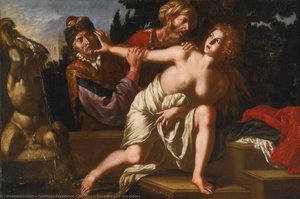
Quick Facts
- Artistic Movement Or Style: Caravaggist
- Artists Or Movements Influenced By This Artist: ['Bolognese School']
- Artists Who Influenced This Artist: ['Orazio Gentileschi']
- Date Of Birth: 1589
- Full Name: Giovanni Francesco Guerrieri
- Nationality: Italian
- Notable Artworks: ['Miracles of St. Nicholas of Tolentino']
- Place Of Birth: Fossombrone, Italy

