

 Preview
 Send
Send Share
Share
 Details

 Download
 Similars
 X-Ray
X-Ray Diaporama
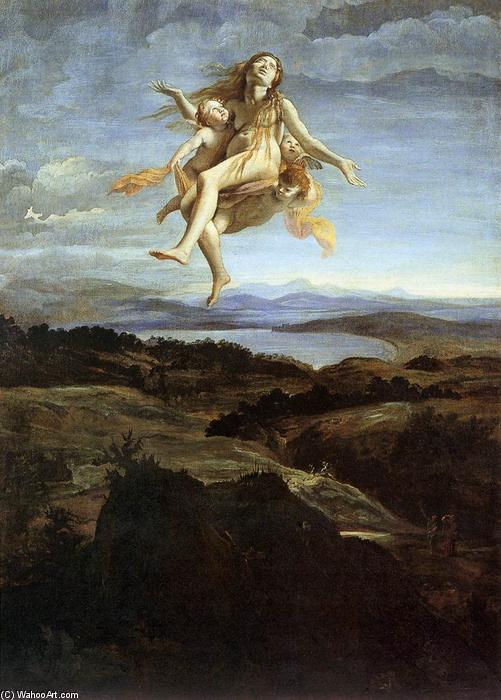
Mary Magdalen Raised by Angels
 Oil On Canvas
- WallArt
- Baroque
 1616
1616 109.0 x 78.0 cm
 Museo Nazionale di Capodimonte
 Read More
Purchase a high-resolution, enhanced digital image, far superior to the online preview.
Each file is meticulously prepared by our in-house specialists using advanced tools and expert manual retouching. We ensure every image has exceptional clarity, precise color accuracy, and fine detail.
The final file is delivered via email within 72 hours, optimized for immediate use in professional, editorial, and print environments. This is the same quality trusted by top-tier design studios, publishers, and galleries.
Digital Image
Download a high-resolution file for personal display, printing, and creative projects. ( Buy Print Buy Hand Made Painting)
Included in Every Digital Image Order
Expert Digital Delivery, Guaranteed
When you choose ArtsDot.com, you're not just getting an image - you're receiving a professionally enhanced digital artwork, crafted with precision and backed by a satisfaction guarantee. Here's everything that comes with your order, automatically:

Fast Email Delivery
Your high-resolution digital image file will be emailed to you within 72 hours of ordering - ready for immediate use.

AI-Enhanced Digital File
Your artwork is professionally optimized using advanced AI tools and manual editing, ensuring maximum detail, clarity, and color accuracy.

Free Lifetime Re-Delivery
Accidentally deleted or lost your file? No worries - we'll resend it to you anytime, free of charge.

No Import Fees - Ever
Enjoy your artwork instantly with zero customs, duties, or delivery fees - digital downloads are always tax-free.

Color Accuracy Guarantee
We ensure your digital image reflects the original colors as closely as possible using professional tools and color management.

60-Day Satisfaction Guarantee
If you're not satisfied with your digital image, we'll revise it or refund 100% within 60 days - no questions asked.

100% Money-Back Guarantee
Not satisfied? Get a full refund within 60 days of receiving your digital file - no questions asked.

Bulk Order Discounts
Buy 3 images, save 10% - Buy 5, save 15% - Buy 10+, save 20%. Great for creative projects, galleries, and agencies.
Collectible Description
Giovanni Lanfranco’s Dramatic Vision of Divine Intervention
Giovanni Lanfranco stands as a pivotal figure in Baroque painting, embodying the fervor and grandeur characteristic of the era. Born in Parma in 1582, his artistic journey began under the tutelage of Agostino Carracci, cementing his connection to Bolognese artistic traditions – specifically Annibale Carracci’s influential workshop – where he honed his skills alongside Sisto Badalocchio. This formative period instilled within him a profound understanding of composition and color theory, shaping his distinctive style that would resonate throughout his prolific career. Lanfranco's early works showcased a meticulous attention to detail and realism, mirroring the prevailing artistic sensibilities of the time. However, it was his collaboration with Annibale Carracci on monumental projects like the Galleria Farnese – notably the breathtaking panel depicting Polyphemus and Galatea – that truly propelled him toward artistic innovation. This immersive experience within Carracci’s studio exposed Lanfranco to groundbreaking techniques and fostered a willingness to experiment with dramatic lighting and expressive brushstrokes, elements that would become hallmarks of his later masterpieces. The Ceiling of the Palazzo Farnese: A Testament to Baroque Grandeur Perhaps Lanfranco's most celebrated achievement is the ceiling fresco adorning the Palazzo Farnese in Rome – “Mary Magdalen Raised by Angels.” Completed in 1616, this monumental artwork exemplifies the Baroque aesthetic’s obsession with theatricality and spiritual contemplation. The scene depicts Mary Magdalene ascending into heaven, accompanied by three angels who bestow upon her divine grace. Lanfranco skillfully employed tenebrismo—a technique characterized by stark contrasts between light and dark—to heighten the emotional impact of the composition. Light emanates from a radiant halo surrounding Mary Magdalen’s head, illuminating her serene countenance and emphasizing her spiritual transformation. Symbolism and Artistic Technique The fresco's symbolism is rich with references to Christian iconography. The angels represent divine messengers conveying God’s benevolence and guiding Mary Magdalene toward salvation. Their poses are deliberately stylized, reflecting the Baroque penchant for idealized figures imbued with noble dignity. Lanfranco meticulously rendered the landscape—rolling hills bathed in twilight—creating a backdrop that underscores the ethereal nature of the celestial realm. Furthermore, he utilized oil paint on canvas, allowing for exceptional luminosity and textural depth – qualities crucial to conveying the grandeur and emotional intensity demanded by Baroque art. A Legacy of Emotional Resonance Giovanni Lanfranco’s “Mary Magdalen Raised by Angels” transcends mere visual representation; it communicates profound spiritual truths. The painting's dramatic lighting, masterful composition, and evocative symbolism continue to captivate viewers centuries later. It stands as a testament to Lanfranco’s artistic genius and his unwavering commitment to capturing the sublime beauty of divine intervention—a legacy that secures his place among the foremost artists of the Baroque period.Related Artworks
Artist Biography
Giovanni Lanfranco: A Leading Figure of Baroque Painting
- Born: Parma, Italy (1582)
- Died: 1647
Early Life and Training
Giovanni Gaspare Lanfranco was born in Parma in 1582, the third son of Stefano and Cornelia Lanfranchi. His artistic talent was recognized early on, leading to an apprenticeship with Agostino Carracci, brother of Annibale Carracci, a prominent Bolognese artist. He also worked alongside Sisto Badalocchio in the Farnese palaces of Parma. Lanfranco's training continued within Annibale Carracci’s large workshop in Rome, where he contributed to projects like the Galleria Farnese, including work on the panel of Polyphemus and Galatea. This period exposed him to a vibrant artistic environment and laid the foundation for his future career.
Development and Artistic Style
Following Annibale Carracci's death in 1609, Lanfranco briefly returned to Parma before re-establishing himself in Rome by 1612. He developed a distinctive style characterized by dynamic compositions, theatrical lighting, and a visionary approach particularly suited for ceiling frescoes. While influenced by the late works of Ludovico Carracci and possibly Caravaggio, he also demonstrated a strong affinity for Correggio’s decorative style. His early works show an eclectic range, incorporating elements from various masters while gradually forging his own path. A key aspect of his development was his ability to create illusionistic effects in fresco painting, contributing significantly to the Baroque aesthetic.
Major Achievements and Commissions
Lanfranco’s career flourished under Pope Paul V, who commissioned numerous works from him. Some of his most significant achievements include:
- Frescoes at Palazzo Mattei: Demonstrating his growing mastery of perspective and illusionism.
- Villa Borghese Ceiling (Gods of Olympus): A monumental work showcasing a complex narrative and dynamic figures.
- Sala de' Corazzieri and Sala Regia at the Quirinale Palace: Further establishing his reputation as a leading fresco artist in Rome.
- The Assumption of the Virgin at Sant’Andrea della Valle: Considered his masterpiece, this ambitious dome fresco is renowned for its dramatic lighting, crowded composition, and innovative use of perspective. It exemplifies the Baroque style's emphasis on grandeur and emotional impact.
Influence and Historical Significance
Giovanni Lanfranco played a crucial role in shaping the artistic landscape of 17th-century Rome. He rivaled Domenichino for major commissions, contributing to a period of intense competition among leading artists. His innovative approach to fresco painting, particularly his mastery of illusionistic techniques and dramatic compositions, influenced subsequent generations of artists. Lanfranco’s work reflects the broader trends of the Baroque era—a focus on dynamism, emotion, and grandeur—and cemented his place as one of the most important painters of his time. His influence can be seen in later works by Francesco Solimena and other Italian artists.
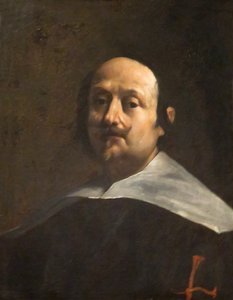
Giovanni Lanfranco
1582 - 1647 , Italy
Quick Facts
- Artistic Movement Or Style: Baroque painting
- Artists Or Movements Influenced By This Artist: ['Francesco Solimena']
- Artists Who Influenced This Artist:
- Correggio
- Annibale Carracci
- Ludovico Carracci
- Date Of Birth: January 26, 1582
- Date Of Death: November 30, 1647
- Full Name: Giovanni Lanfranco
- Nationality: Italian
- Notable Artworks:
- The Prophet Elijah Awakened
- Saint Luke
- Venus Playing the Harp
- Gods of Olympus fresco
- Place Of Birth (City And Country): Parma, Italy

