 Preview
 Send
Send Share
Share
 Details

 Download
 Similars
 X-Ray
X-Ray Diaporama
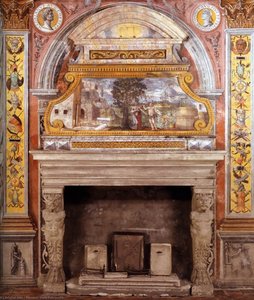
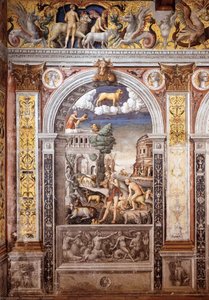
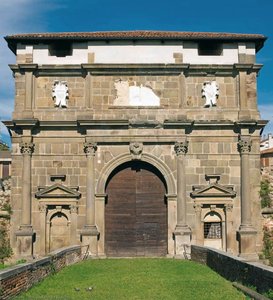
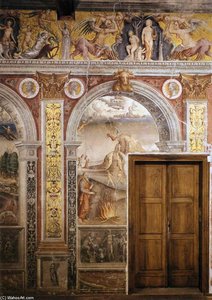
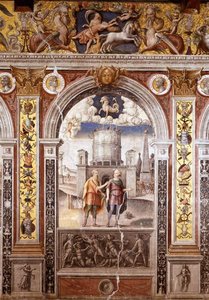
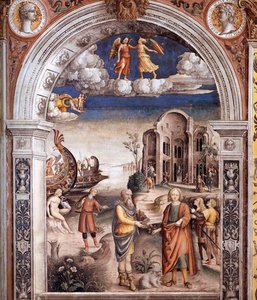
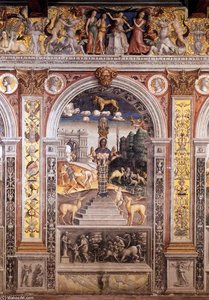
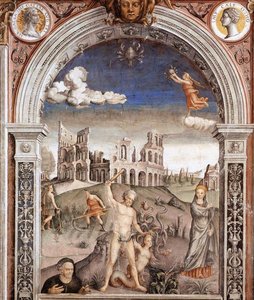
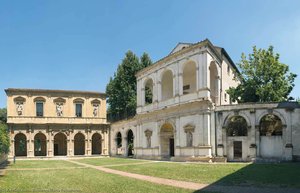
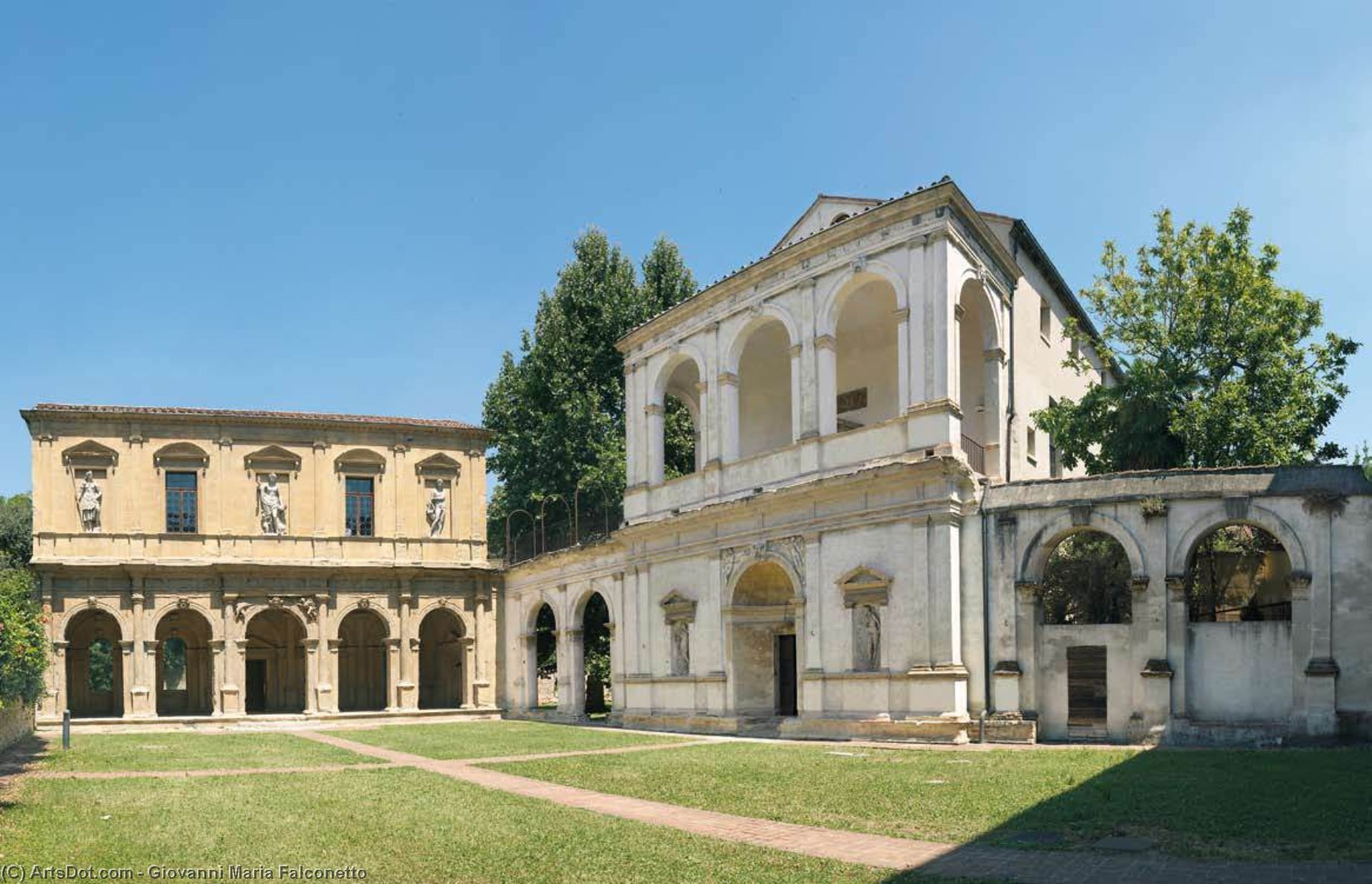
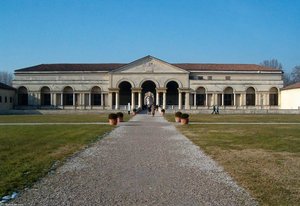
Loggia Odeon Cornaro

 Read More
Giclée / Art Print
Museum-quality giclée or canvas print with fast production and flexible finish options. ( Buy Hand Made Painting Buy Image)




































Pick from our preset sizes that match the artwork's original proportions.

You may enter your own dimensions to fit a specific frame or space. If your selected size does not match the original image's proportions, we will either crop the artwork or extend the image with a mirrored or solid-fill edge. A digital mockup will be sent for your approval before production begins.
Please note that the on-screen preview does not reflect the actual cropping or extension. Only the mockup will accurately show the final composition.
While custom sizes are available, we recommend selecting a dimension from the predefined list to preserve the original proportions.
Worldwide Delivery () in 2 weeks instead of standard 4/5 weeks. (22 August)

Free Worldwide Express Shipping

High-Quality Linen Canvas

Full Shipping Insurance

Customs Tax Refund Guarantee

True Color Matching Guarantee

60-Day Return Policy (Defects Only)

100% Money-Back Guarantee

Bulk Discount Offer
 Glass option is only available in size under 110 CM

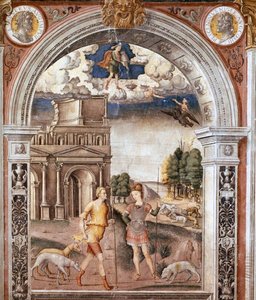
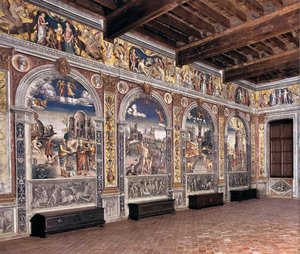
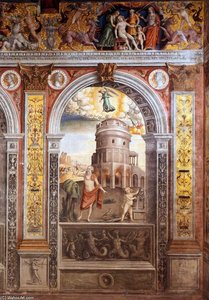
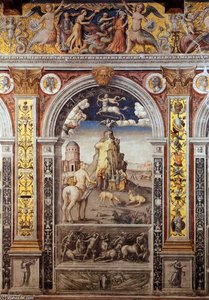
Loggia Odeon Cornaro
Giclée / Art Print
Reproduction Size
-


Total Price
$ 63
Related Artworks









Artist Biography
Michael Sittow: A Master of the Northern Renaissance
Michael Sittow (c. 1469 – 1525), often referred to as Master Michiel, Michel, or simply Sittow, stands as a pivotal figure in the development of Early Netherlandish painting. Born in Reval (present-day Tallinn, Estonia) to a family deeply rooted in both German and Swedish heritage, his early life was shaped by the vibrant, international atmosphere of this Hanseatic trading city. His artistic journey began within his father’s workshop, learning the fundamentals of wood carving and painting alongside his brothers, before he embarked on a formative period studying in Bruges, Belgium – a crucible for artistic innovation during that era. Sittow's career blossomed as a court painter, serving prominent European royal houses, including those of Castile, Spain, and the Netherlands, leaving behind a legacy of exquisite portraits and devotional works. His distinctive style, characterized by meticulous detail, subtle color palettes, and an uncanny ability to capture human emotion, cemented his place among the most accomplished artists of his time.Early Life and Artistic Training
Sittow’s origins are shrouded in some mystery, yet fascinatingly complex. His father, Clawes (Claves) Sittow, was a skilled craftsman and woodcarver who had settled in Reval from what is believed to be the village of Zittow near Wismar, Germany. His mother, Margarethe Mölner, brought into the family a strong connection to Scandinavia through her Swedish heritage. This unique blend of influences likely contributed to Sittow’s artistic sensibility – a harmonious fusion of Northern European traditions. Initially apprenticed to his father, he later traveled to Bruges in 1484, immersing himself in the burgeoning artistic scene and studying under masters like Hans Memling. This period was crucial for developing his technical skills and understanding of perspective, composition, and the nuances of oil painting – techniques that would become hallmarks of his distinctive style. The influence of Memling is particularly evident in Sittow’s later works, demonstrating a clear lineage of artistic development within the Northern Renaissance tradition.A Court Painter's Journey: Spain and the Netherlands
Sittow’s career truly flourished as a court painter, securing commissions from some of Europe’s most powerful families. He spent considerable time in Spain, serving Isabella of Castile and her Habsburg relatives, creating portraits that captured the dignity and authority of these royal figures. His meticulous attention to detail – from the textures of their clothing to the subtle expressions on their faces – elevated his portraits beyond mere likenesses, transforming them into compelling representations of status and power. Following his time in Spain, Sittow moved to the Netherlands, where he continued to serve as a court painter for various noble families. This period saw him producing a diverse range of works, including altarpieces, devotional panels, and elaborate furniture decorations – showcasing his versatility and artistic mastery. Notably, his work during this time often incorporated elements of Italian Renaissance art, reflecting the growing influence of classical ideals on Northern European painting.Style and Technique: A Synthesis of Influences
Sittow’s artistic style is a remarkable synthesis of influences, blending the meticulous realism of Early Netherlandish painters with a distinctly personal vision. He was renowned for his ability to render human figures with astonishing accuracy, capturing their individualities and conveying subtle nuances of emotion. His landscapes, often depicted as viewed through windows or entirely outdoors, were characterized by a serene beauty and an almost photographic quality – a departure from the more stylized landscape backgrounds favored by some of his contemporaries. Sittow’s use of color was restrained yet sophisticated, employing delicate gradations to create depth and atmosphere. He skillfully integrated light and shadow, adding volume and realism to his compositions. Furthermore, he demonstrated a remarkable understanding of perspective, creating convincing three-dimensional spaces that drew the viewer into the heart of his paintings. His work is often described as possessing a quiet dignity and an understated elegance – qualities that have ensured its enduring appeal.Legacy and Historical Significance
Michael Sittow’s contribution to the history of art is profound. He stands as one of the most important Netherlandish painters of the era, bridging the gap between the Gothic and Renaissance styles. His meticulous technique, combined with his ability to capture human emotion and create convincing visual spaces, established him as a master of his craft. While often overshadowed by more flamboyant contemporaries, Sittow’s work offers a valuable insight into the artistic tastes and cultural dynamics of 15th-century Europe. His portraits, in particular, provide invaluable documentation of European royalty and nobility, offering glimpses into the lives and aspirations of some of history's most influential figures. Today, his paintings are treasured for their beauty, technical skill, and historical significance – a testament to the enduring legacy of this remarkable artist.
giovanni maria falconetto
1468 - 1535 , Italy
Quick Facts
- Artistic Movement Or Style: Early Netherlandish painting
- Artists Or Movements Influenced By This Artist: ['Sesshū Tōyō']
- Artists Who Influenced This Artist: ['Hans Memling']
- Date Of Birth: c. 1469
- Date Of Death: 1525
- Full Name: Michael Sittow
- Nationality: Early Netherlandish
- Notable Artworks: ['']
- Place Of Birth: Reval (Tallinn)