

 Preview
 Send
Send Share
Share
 Details

 Download
 Similars
 X-Ray
X-Ray Diaporama
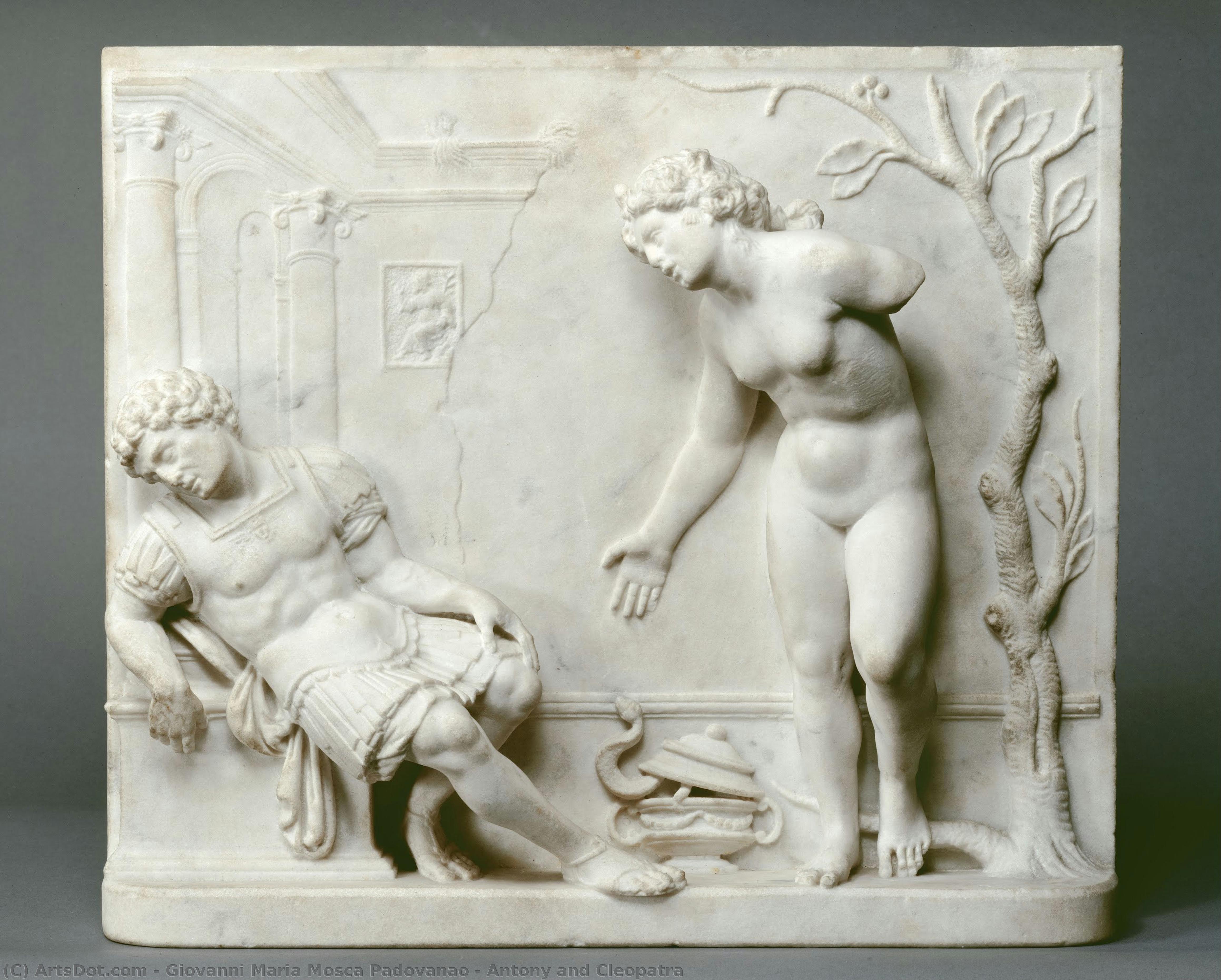
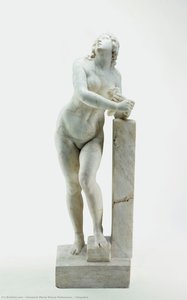
Antony and Cleopatra
 1520
1520 38.0 x 33.0 cm
 Read More
Purchase a high-resolution, enhanced digital image, far superior to the online preview.
Each file is meticulously prepared by our in-house specialists using advanced tools and expert manual retouching. We ensure every image has exceptional clarity, precise color accuracy, and fine detail.
The final file is delivered via email within 72 hours, optimized for immediate use in professional, editorial, and print environments. This is the same quality trusted by top-tier design studios, publishers, and galleries.
Digital Image
Download a high-resolution file for personal display, printing, and creative projects. ( Buy Print Buy Hand Made Painting)
Included in Every Digital Image Order
Expert Digital Delivery, Guaranteed
When you choose ArtsDot.com, you're not just getting an image - you're receiving a professionally enhanced digital artwork, crafted with precision and backed by a satisfaction guarantee. Here's everything that comes with your order, automatically:

Fast Email Delivery
Your high-resolution digital image file will be emailed to you within 72 hours of ordering - ready for immediate use.

AI-Enhanced Digital File
Your artwork is professionally optimized using advanced AI tools and manual editing, ensuring maximum detail, clarity, and color accuracy.

Free Lifetime Re-Delivery
Accidentally deleted or lost your file? No worries - we'll resend it to you anytime, free of charge.

No Import Fees - Ever
Enjoy your artwork instantly with zero customs, duties, or delivery fees - digital downloads are always tax-free.

Color Accuracy Guarantee
We ensure your digital image reflects the original colors as closely as possible using professional tools and color management.

60-Day Satisfaction Guarantee
If you're not satisfied with your digital image, we'll revise it or refund 100% within 60 days - no questions asked.

100% Money-Back Guarantee
Not satisfied? Get a full refund within 60 days of receiving your digital file - no questions asked.

Bulk Order Discounts
Buy 3 images, save 10% - Buy 5, save 15% - Buy 10+, save 20%. Great for creative projects, galleries, and agencies.
Collectible Description
Related Artworks







Artist Biography
The Sculptor of Shadows and Light: The Legacy of Giovanni Maria Mosca Padovanao
In the vibrant, sun-drenched era of the Venetian Renaissance, where marble seemed to breathe under the chisels of masters, the name Giovanni Maria Mosca Padovanao evokes a sense of profound, classical elegance. Born in the scholarly atmosphere of Padua around 1495, Mosca emerged as a sculptor and medallist whose work bridged the gap between the rigorous anatomical precision of the early Renaissance and the emotive, dramatic flair that would define later centuries. While his life remains partially veiled by the mists of time—with biographical details often overshadowed by more famous contemporaries—his artistic footprint is etched indelibly into the history of Italian and European sculpture.
The foundations of Mosca’s genius were laid in the workshops of Northern Italy, where he underwent a rigorous apprenticeship. Early records suggest a formative period under the guidance of masters such as Giovanni Minello and the goldsmith Bartolomean Mantello, a lineage that likely gifted him with an exquisite eye for detail and the delicate touch required for small-scale, intricate works. This early exposure to both large-scale stone carving and the fine precision of metalwork allowed him to develop a unique versatility. By the time he was active in the Veneto region, his ability to manipulate marble into fluid, lifelike forms had begun to garner significant attention, characterized by a deep reverence for classical antiquity and the humanist ideals of his age.
Mastery in Marble: The Drama of Antiquity
Mosca’s true brilliance is perhaps most vividly captured in his mastery of small-format marble reliefs, a medium that allowed him to weave complex narratives into intimate, tactile objects. He possessed a rare ability to translate the epic tragedies of Roman history and Greek mythology into stone, imbuing each piece with a sense of psychological depth. His works often functioned as windows into the past, where the cold hardness of marble was transformed into the soft curve of a hip or the tragic tension of a dying hero.
One of his most evocative achievements lies in his depictions of Cleopatra and Antony. In these works, Mosca does not merely recount a historical event; he captures the very essence of human vulnerability and grandeur. His Cleopatra is a study in contrasts—radiating regal composure even as she faces her inevitable end, with the sculptor using the play of light across the marble to highlight the grace of her form. Similarly, his reliefs depicting the death of Mark Antony serve as poignant meditations on the transience of power and the heavy weight of grief. Through these pieces, Mosca demonstrated that sculpture could be as much about the internal landscape of the soul as it was about the external beauty of the body.
A Journey Across Borders: From Venice to Poland
The trajectory of Mosca’s career reflects the broader movement of Renaissance talent across the European continent. While his roots and early triumphs were firmly planted in the Italian soil of Padua and Venice, his influence eventually stretched far beyond the Adriatic. Around 1529, his artistic journey took him to Poland, where he became known as Jan. This period of his life represents a fascinating cultural exchange, as the sophisticated stylistic language of the Venetian Renaissance was transplanted into the heart of Central Europe.
This migration allowed Mosca to act as a cultural ambassador, bringing the refined aesthetics of the Italian masters to new audiences and influencing the development of sculptural traditions in Poland. His work as a medallist further solidified this legacy, as his ability to capture likeness and symbolism in small, portable bronze or gold pieces ensured that his artistic vision could travel much further than any monumental marble statue. Even as he moved through different political and cultural landscapes, the core of his artistry—a devotion to classical beauty and an unparalleled command of detail—remained steadfast.
Ultimately, the significance of Giovanni Maria Mosca Padovanao lies in his ability to breathe life into the inanimate. He was a sculptor who understood that true art resides in the tension between strength and fragility, between the permanence of stone and the fleeting nature of human emotion. His legacy continues to resonate through the silent, powerful beauty of his surviving works, reminding us of an era when the chisel could capture the very heartbeat of history.
giovanni maria mosca padovanao
1493 - 1574 , Italy
Quick Facts
- Artistic Movement Or Style: Renaissance Sculpture
- Artists Or Movements Influenced By This Artist: ['Venetian School']
- Artists Who Influenced This Artist: ['Luca della Robbia']
- Date Of Birth: 1495/99
- Date Of Death: after 1573
- Full Name: Giovanni Maria Mosca Padovanao
- Nationality: Italian
- Notable Artworks:
- Cleopatra
- Antony & Cleopatra
- Place Of Birth: Padua, Italy

