

 Preview
 Send
Send Share
Share
 Details

 Download
 Similars
 X-Ray
X-Ray Diaporama
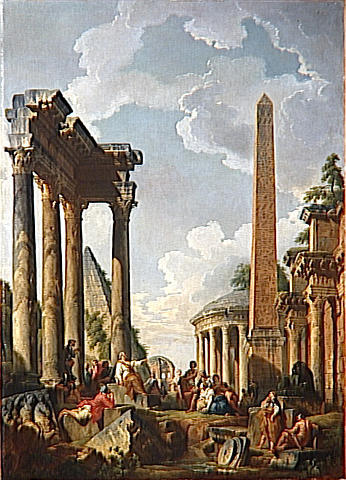
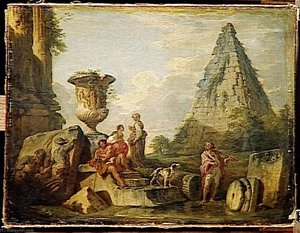
CAPRICE ARCHITECTURAL AVEC PREDICATEUR DANS DES RUINES ROMAINES


 Read More
Purchase a high-resolution, enhanced digital image, far superior to the online preview.
Each file is meticulously prepared by our in-house specialists using advanced tools and expert manual retouching. We ensure every image has exceptional clarity, precise color accuracy, and fine detail.
The final file is delivered via email within 72 hours, optimized for immediate use in professional, editorial, and print environments. This is the same quality trusted by top-tier design studios, publishers, and galleries.
Digital Image
Download a high-resolution file for personal display, printing, and creative projects. ( Buy Print Buy Hand Made Painting)
Included in Every Digital Image Order
Expert Digital Delivery, Guaranteed
When you choose ArtsDot.com, you're not just getting an image - you're receiving a professionally enhanced digital artwork, crafted with precision and backed by a satisfaction guarantee. Here's everything that comes with your order, automatically:

Fast Email Delivery
Your high-resolution digital image file will be emailed to you within 72 hours of ordering - ready for immediate use.

AI-Enhanced Digital File
Your artwork is professionally optimized using advanced AI tools and manual editing, ensuring maximum detail, clarity, and color accuracy.

Free Lifetime Re-Delivery
Accidentally deleted or lost your file? No worries - we'll resend it to you anytime, free of charge.

No Import Fees - Ever
Enjoy your artwork instantly with zero customs, duties, or delivery fees - digital downloads are always tax-free.

Color Accuracy Guarantee
We ensure your digital image reflects the original colors as closely as possible using professional tools and color management.

60-Day Satisfaction Guarantee
If you're not satisfied with your digital image, we'll revise it or refund 100% within 60 days - no questions asked.

100% Money-Back Guarantee
Not satisfied? Get a full refund within 60 days of receiving your digital file - no questions asked.

Bulk Order Discounts
Buy 3 images, save 10% - Buy 5, save 15% - Buy 10+, save 20%. Great for creative projects, galleries, and agencies.
Collectible Description
Giovanni Paolo Panini: Mastering Roman Visions – A Vedute Master's Legacy
Giovanni Paolo Panini (1691-1765) stands as a pivotal figure in the artistic landscape of 18th-century Rome, an artist who transcended mere representation to craft immersive experiences of grandeur and memory. More than simply depicting architectural spaces, Panini achieved something akin to theatrical illusionism—a deliberate manipulation of perspective and light that transported viewers into the heart of ancient Roman ruins. His oeuvre is characterized by meticulously rendered vedute – panoramic views of Rome – infused with fantastical elements and imbued with a profound understanding of Baroque aesthetics. This fascination with capturing the spirit of Rome cemented his reputation as one of the foremost painters of his time, influencing generations of artists who sought to emulate his masterful technique.The Architectural Capriccio: A Genre Defined
Panini’s contribution to art history resides largely in establishing the vedute genre itself. Unlike topographical drawings intended solely for documentation, Panini's paintings prioritized artistic expression over strict accuracy. He employed a compositional strategy rooted in theatrical conventions—drawing inspiration from stage designs—to create dramatic vistas that evoked emotion and transported the viewer beyond the confines of reality. The ruins served as a springboard for imaginative reconstructions, populated with figures engaged in various activities – sermons delivered atop crumbling columns, processions winding through arched gateways – transforming architectural monuments into dynamic narratives. This approach distinguished Panini’s work from its predecessors and established it as a cornerstone of Baroque visual culture.Technique and Detail: The Pursuit of Illusionistic Space
Panini's artistic prowess stemmed from an unparalleled command of technique. He meticulously employed layering and glazing techniques, applying thin washes of color over underdrawings to build up depth and luminosity—a hallmark of Baroque painting. Precise perspective lines guided the artist’s hand, creating a convincing illusion of three-dimensionality that mirrored the grandeur of Roman ruins. Brushstrokes were carefully considered, conveying texture and capturing subtle nuances of light and shadow. The artist's dedication to detail extended beyond mere visual representation; it reflected a belief in the transformative power of art—a conviction that a painting could evoke not just what was seen but also what was felt.Symbolism Within Decay: Reflections on Time and Legacy
The juxtaposition of classical architecture and contemporary figures within Panini’s capriccios carries significant symbolic weight. The crumbling ruins serve as a poignant reminder of the passage of time, embodying both beauty and decay—themes central to Baroque art's preoccupation with mortality and eternity. Yet, amidst this visual melancholy resides an affirmation of Rome’s enduring legacy – its influence on Western civilization continuing to resonate centuries after Panini’s lifetime. The preacher figure embodies authority and moral guidance, symbolizing the spiritual dimension of these monumental spaces and suggesting a contemplation of timeless values.A Legacy Enduring Through Reproduction
Today, reproductions of Giovanni Paolo Panini's masterpieces offer art enthusiasts and interior designers alike an opportunity to experience the captivating beauty and intellectual depth of Baroque Rome. ArtsDot’s high-quality prints capture the essence of Panini’s technique—the luminous glazing, the meticulous perspective—allowing viewers to appreciate his artistic vision from afar. Bringing a piece of Roman grandeur into your home is more than just decorating; it's engaging with a pivotal moment in art history and honoring the legacy of a true visionary artist.Related Artworks
Artist Biography
A Master of Roman Visions: The Life and Art of Giovanni Paolo Panini
Giovanni Paolo Panini, a name synonymous with the grandeur and romantic allure of 18th-century Rome, was more than just a painter; he was a visual architect of memory. Born in Piacenza in 1691, his artistic journey began under the tutelage of Giuseppe Natali and Andrea Galluzzi, but it was his exposure to the theatrical designs of Francesco Galli-Bibiena that truly ignited his imagination. This early immersion in stagecraft would profoundly influence his later work, imbuing it with a sense of dramatic composition and illusionistic space. In 1711, Panini relocated to Rome, a city already steeped in artistic history, where he honed his skills under the guidance of Benedetto Luti, mastering the art of drawing and laying the foundation for his future mastery of perspective.From Frescoes to Vedute: The Evolution of an Artistic Style
Panini’s initial success came not as a canvas painter but as a decorator of palaces. His frescoes adorned the walls of prominent Roman residences, including the Villa Patrizi (1719-1725), Palazzo de Carolis (1720) and Seminario Romano (1721-1722). These early commissions allowed him to develop his technical prowess and establish a reputation within Rome’s artistic circles. However, it was his embrace of the *veduta*, or view painting, that would ultimately define his legacy. Unlike earlier topographical artists who focused on precise documentation, Panini infused his depictions of Rome with a sense of imaginative reconstruction. He didn't merely record what he saw; he re-imagined it, blending existing structures with fragments of ancient ruins and fanciful architectural elements. This approach, often referred to as *capriccio*, allowed him to create scenes that were both recognizable and dreamlike, capturing the spirit of Rome’s layered history. His 1719 admission into the Congregazione dei Virtuosi al Pantheon signaled his growing recognition within the Roman art world, and he soon became a sought-after artist among Grand Tourists – wealthy young Europeans traveling Italy to complete their education.The Allure of Ruins and the Panini Projection
Panini’s fascination with ruins was not simply an aesthetic choice; it reflected a broader intellectual current of his time—a growing interest in classical antiquity and a melancholic awareness of its fragility. He masterfully depicted iconic landmarks like the Pantheon, Colosseum, and Roman Forum, often framing them within dramatic lighting and atmospheric effects. But he didn’t stop there. He frequently combined elements from different structures into single compositions, creating fantastical visions that celebrated Rome's architectural heritage while simultaneously acknowledging its state of decay. This innovative approach to perspective—his ability to create a convincing illusion of depth and space—led to the development of what became known as the “Panini Projection,” a technique instrumental in rendering panoramic views. The projection allowed artists to accurately represent wide-angle scenes, making it invaluable for architectural renderings and landscape painting.Influence and Legacy: A Lasting Impact on Art History
Giovanni Paolo Panini’s influence extended far beyond his own lifetime. He was a respected teacher at both the Accademia di San Luca and the Académie de France in Rome, shaping the artistic sensibilities of a generation of artists. Among his pupils was Hubert Robert, who would become equally renowned for his depictions of ruins, though with a more overtly romantic sensibility. Panini’s style also resonated with other *vedutisti*, including Antonio Joli and Charles-Louis Clérisseau, inspiring them to explore the possibilities of architectural painting. His works are now held in prestigious collections worldwide, including the Prado Museum, the Louvre, and the Museo Nazionale di Capodimonte, testament to his enduring appeal.Exploring Panini’s World Today
Today, we can still experience the captivating beauty of Panini's work through numerous reproductions and exhibitions. His paintings offer a unique window into 18th-century Rome—a city brimming with history, art, and intellectual curiosity. Examining his masterful use of perspective, his imaginative compositions, and his evocative depictions of ruins allows us to appreciate not only his technical skill but also his profound understanding of the human relationship to time, memory, and the enduring power of art.- Explore artworks: The Temple of Diana, Interior of Saint Peter's, Rome, Interior of the Pantheon, Rome.
- Further research: Discover more about Panini’s life and work through resources like Wikipedia and the National Gallery of Art.
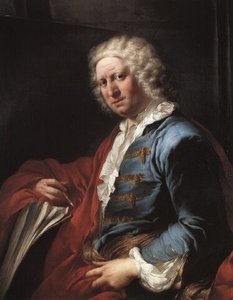
Giovanni Paolo Panini
1691 - 1765 , Italy
Quick Facts
- Artistic Movement Or Style: Baroque, Vedutismo
- Artists Or Movements Influenced By This Artist:
- Hubert Robert
- Antonio Joli
- Charles Clérisseau
- Artists Who Influenced This Artist:
- Giuseppe Natali
- Andrea Galluzzi
- F.Galli-Bibiena
- Date Of Birth: 1691
- Date Of Death: 1765
- Full Name: Giovanni Paolo Panini
- Nationality: Italian
- Notable Artworks:
- Pantheon Interior View
- Rome Views
- Capriccios
- Place Of Birth: Piacenza, Italy

