


 Preview
 Send
Send Share
Share
 Details

 Download
 Similars
 X-Ray
X-Ray Diaporama
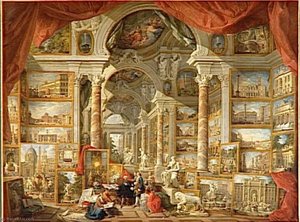
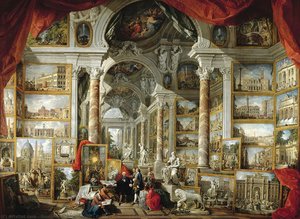
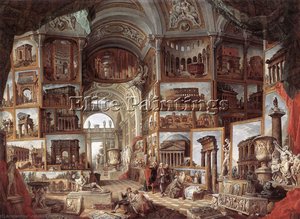
Picture Gallery with Views of Modern Rome
 Oil On Canvas
- WallArt
- Baroque
 1757
1757 170.0 x 245.0 cm
 Museum of Fine Arts
 Read More
Purchase a high-resolution, enhanced digital image, far superior to the online preview.
Each file is meticulously prepared by our in-house specialists using advanced tools and expert manual retouching. We ensure every image has exceptional clarity, precise color accuracy, and fine detail.
The final file is delivered via email within 72 hours, optimized for immediate use in professional, editorial, and print environments. This is the same quality trusted by top-tier design studios, publishers, and galleries.
Digital Image
Download a high-resolution file for personal display, printing, and creative projects. ( Buy Print Buy Hand Made Painting)
Included in Every Digital Image Order
Expert Digital Delivery, Guaranteed
When you choose ArtsDot.com, you're not just getting an image - you're receiving a professionally enhanced digital artwork, crafted with precision and backed by a satisfaction guarantee. Here's everything that comes with your order, automatically:

Fast Email Delivery
Your high-resolution digital image file will be emailed to you within 72 hours of ordering - ready for immediate use.

AI-Enhanced Digital File
Your artwork is professionally optimized using advanced AI tools and manual editing, ensuring maximum detail, clarity, and color accuracy.

Free Lifetime Re-Delivery
Accidentally deleted or lost your file? No worries - we'll resend it to you anytime, free of charge.

No Import Fees - Ever
Enjoy your artwork instantly with zero customs, duties, or delivery fees - digital downloads are always tax-free.

Color Accuracy Guarantee
We ensure your digital image reflects the original colors as closely as possible using professional tools and color management.

60-Day Satisfaction Guarantee
If you're not satisfied with your digital image, we'll revise it or refund 100% within 60 days - no questions asked.

100% Money-Back Guarantee
Not satisfied? Get a full refund within 60 days of receiving your digital file - no questions asked.

Bulk Order Discounts
Buy 3 images, save 10% - Buy 5, save 15% - Buy 10+, save 20%. Great for creative projects, galleries, and agencies.
Collectible Description
A Window into Baroque Rome: Giovanni Paolo Panini’s “Picture Gallery with Views of Modern Rome”
Giovanni Paolo Panini's "Picture Gallery with Views of Modern Rome" isn’t merely a painting; it’s a meticulously constructed illusion, a romanticized echo of the Eternal City captured in the heart of the 18th century. Completed in 1757, this monumental canvas transports the viewer into an imagined salon, a space brimming with artistic aspiration and the opulent grandeur of Roman patronage. It's a testament to Panini’s extraordinary skill as a “vedutista,” a painter specializing in cityscapes – but one who elevated the genre beyond simple documentation, imbuing his scenes with a potent blend of realism, fantasy, and carefully orchestrated theatricality.
The painting unfolds within a vast, architecturally complex room, dominated by soaring columns, graceful arches, and intricate ceiling details. These aren’t the cold, precise lines of classical architecture; instead, they possess a subtly exaggerated quality, hinting at an almost dreamlike space. The walls are adorned with a dizzying array of framed paintings – landscapes, cityscapes, portraits – each contributing to the overall sense of abundance and artistic refinement. At the center of this visual feast sits a distinguished gentleman, presumably a wealthy collector or artist himself, observing the scene with a contemplative gaze. His presence anchors the composition, inviting us into this world of art appreciation and social status.
The Art of Illusion: Technique and Perspective
Panini’s mastery lies not just in his ability to depict Rome accurately – though he certainly does so with impressive detail – but in his manipulation of perspective. He employs a complex system of vanishing points, creating an illusion of depth that extends far beyond the confines of the canvas. The receding lines converge towards a central point, drawing the eye into the heart of the gallery and lending a remarkable sense of spatial realism. This technique, honed through years of studying stage design – Panini’s early career was rooted in theatrical scenery – is what truly elevates this work from a simple cityscape to a sophisticated illusion.
The artist's use of color further enhances the effect. The palette is rich and warm, dominated by earthy tones—ochres, siennas, and browns—that evoke the weathered stone and ancient brickwork of Rome. Highlights of gold and crimson punctuate the scene, drawing attention to the framed paintings and adding a touch of luxurious splendor. Notice how he uses light to sculpt forms, creating dramatic shadows that emphasize the textures of marble columns and the folds of fabric. The brushstrokes themselves are carefully controlled, contributing to the overall sense of precision and refinement.
A Roman Vision: Historical Context and Symbolism
“Picture Gallery with Views of Modern Rome” emerged during a period of intense fascination with classical antiquity in 18th-century Europe. The rediscovery of Roman ruins and artifacts fueled a renewed interest in the glories of the past, inspiring artists, architects, and collectors alike to emulate the grandeur of the Roman Empire. Panini’s painting reflects this cultural trend, presenting an idealized vision of Rome as it might have been during its imperial heyday – a place of unparalleled beauty, wealth, and artistic achievement.
The inclusion of numerous paintings within the gallery itself is laden with symbolism. It represents the collector's pursuit of knowledge, taste, and status—a reflection of the era’s emphasis on erudition and refined sensibilities. The carefully arranged compositions suggest a deliberate attempt to create an atmosphere of intellectual stimulation and artistic appreciation. Furthermore, the very act of depicting a gallery within a gallery creates a layered illusion, inviting us to contemplate the nature of representation itself – a central theme in art history.
A Legacy of Romantic Vision
Giovanni Paolo Panini’s “Picture Gallery with Views of Modern Rome” remains a captivating masterpiece. It's more than just a beautiful painting; it’s a window into a bygone era, offering a glimpse into the artistic and cultural values of 18th-century Rome. His innovative use of perspective, combined with his meticulous attention to detail and evocative sense of atmosphere, cemented his place as one of the most important vedutisti of his time. Reproductions of this work continue to inspire awe and admiration, transporting viewers to a world of opulent beauty and timeless artistic vision.
Related Artworks




Artist Biography
A Master of Roman Visions: The Life and Art of Giovanni Paolo Panini
Giovanni Paolo Panini, a name synonymous with the grandeur and romantic allure of 18th-century Rome, was more than just a painter; he was a visual architect of memory. Born in Piacenza in 1691, his artistic journey began under the tutelage of Giuseppe Natali and Andrea Galluzzi, but it was his exposure to the theatrical designs of Francesco Galli-Bibiena that truly ignited his imagination. This early immersion in stagecraft would profoundly influence his later work, imbuing it with a sense of dramatic composition and illusionistic space. In 1711, Panini relocated to Rome, a city already steeped in artistic history, where he honed his skills under the guidance of Benedetto Luti, mastering the art of drawing and laying the foundation for his future mastery of perspective.From Frescoes to Vedute: The Evolution of an Artistic Style
Panini’s initial success came not as a canvas painter but as a decorator of palaces. His frescoes adorned the walls of prominent Roman residences, including the Villa Patrizi (1719-1725), Palazzo de Carolis (1720) and Seminario Romano (1721-1722). These early commissions allowed him to develop his technical prowess and establish a reputation within Rome’s artistic circles. However, it was his embrace of the *veduta*, or view painting, that would ultimately define his legacy. Unlike earlier topographical artists who focused on precise documentation, Panini infused his depictions of Rome with a sense of imaginative reconstruction. He didn't merely record what he saw; he re-imagined it, blending existing structures with fragments of ancient ruins and fanciful architectural elements. This approach, often referred to as *capriccio*, allowed him to create scenes that were both recognizable and dreamlike, capturing the spirit of Rome’s layered history. His 1719 admission into the Congregazione dei Virtuosi al Pantheon signaled his growing recognition within the Roman art world, and he soon became a sought-after artist among Grand Tourists – wealthy young Europeans traveling Italy to complete their education.The Allure of Ruins and the Panini Projection
Panini’s fascination with ruins was not simply an aesthetic choice; it reflected a broader intellectual current of his time—a growing interest in classical antiquity and a melancholic awareness of its fragility. He masterfully depicted iconic landmarks like the Pantheon, Colosseum, and Roman Forum, often framing them within dramatic lighting and atmospheric effects. But he didn’t stop there. He frequently combined elements from different structures into single compositions, creating fantastical visions that celebrated Rome's architectural heritage while simultaneously acknowledging its state of decay. This innovative approach to perspective—his ability to create a convincing illusion of depth and space—led to the development of what became known as the “Panini Projection,” a technique instrumental in rendering panoramic views. The projection allowed artists to accurately represent wide-angle scenes, making it invaluable for architectural renderings and landscape painting.Influence and Legacy: A Lasting Impact on Art History
Giovanni Paolo Panini’s influence extended far beyond his own lifetime. He was a respected teacher at both the Accademia di San Luca and the Académie de France in Rome, shaping the artistic sensibilities of a generation of artists. Among his pupils was Hubert Robert, who would become equally renowned for his depictions of ruins, though with a more overtly romantic sensibility. Panini’s style also resonated with other *vedutisti*, including Antonio Joli and Charles-Louis Clérisseau, inspiring them to explore the possibilities of architectural painting. His works are now held in prestigious collections worldwide, including the Prado Museum, the Louvre, and the Museo Nazionale di Capodimonte, testament to his enduring appeal.Exploring Panini’s World Today
Today, we can still experience the captivating beauty of Panini's work through numerous reproductions and exhibitions. His paintings offer a unique window into 18th-century Rome—a city brimming with history, art, and intellectual curiosity. Examining his masterful use of perspective, his imaginative compositions, and his evocative depictions of ruins allows us to appreciate not only his technical skill but also his profound understanding of the human relationship to time, memory, and the enduring power of art.- Explore artworks: The Temple of Diana, Interior of Saint Peter's, Rome, Interior of the Pantheon, Rome.
- Further research: Discover more about Panini’s life and work through resources like Wikipedia and the National Gallery of Art.

Giovanni Paolo Panini
1691 - 1765 , Italy
Quick Facts
- Artistic Movement Or Style: Baroque, Vedutismo
- Artists Or Movements Influenced By This Artist:
- Hubert Robert
- Antonio Joli
- Charles Clérisseau
- Artists Who Influenced This Artist:
- Giuseppe Natali
- Andrea Galluzzi
- F.Galli-Bibiena
- Date Of Birth: 1691
- Date Of Death: 1765
- Full Name: Giovanni Paolo Panini
- Nationality: Italian
- Notable Artworks:
- Pantheon Interior View
- Rome Views
- Capriccios
- Place Of Birth: Piacenza, Italy

