 Preview
 Send
Send Share
Share
 Details

 Download
 Similars
 X-Ray
X-Ray Diaporama
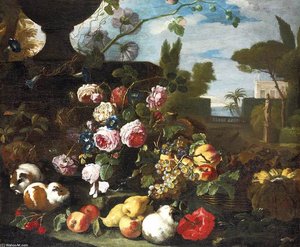
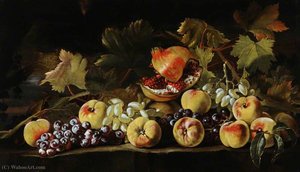
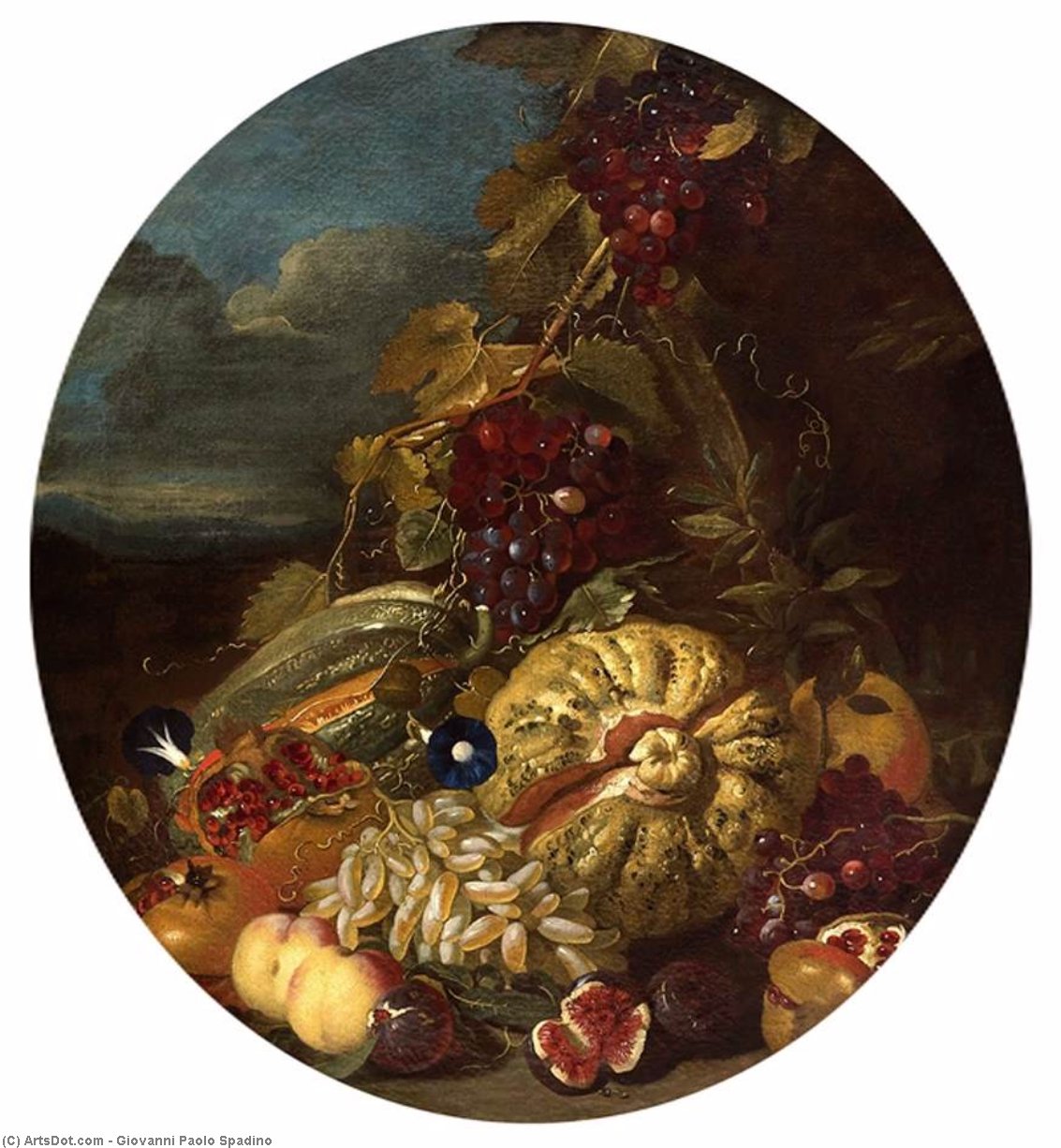
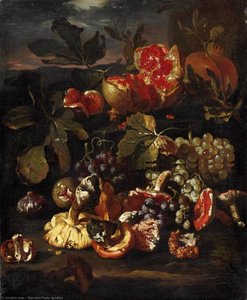
Still-life
 Read More
Hand Made Oil Reproduction
Hand-painted oil on canvas in your size and frame, made to order by our artists. ( Buy Print Buy Image)




































Pick from our preset sizes that match the artwork's original proportions.

You may enter your own dimensions to fit a specific frame or space. If your selected size does not match the original image's proportions, we will either crop the artwork or extend the painting with additional hand-painted elements. A digital mockup will be sent for your approval before production begins.
Please note that the on-screen preview does not reflect the actual cropping or extension. Only the mockup will accurately show the final composition.
While custom sizes are available, we recommend selecting a dimension from the predefined list to preserve the original proportions.
After order, ArtsDot.com team will email client for instructions and provide a mockup preview
Worldwide Delivery () in 3/4 weeks instead of standard 5 weeks. (20 August). No compromise on quality.

Free Worldwide Express Shipping

High-Quality Linen Canvas

Full Shipping Insurance

Customs Tax Refund Guarantee

True Color Matching Guarantee

60-Day Return Policy (Defects Only)

100% Money-Back Guarantee

Bulk Discount Offer
 Glass option is only available in size under 110 CM

Still-life
Reproduction Medium
Reproduction Size
-


Total Price
$ 263
Related Artworks

Artist Biography
The Roman Virtuoso of Still Life
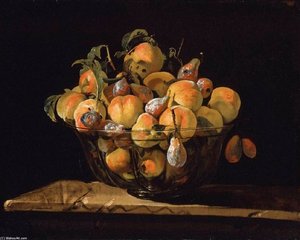
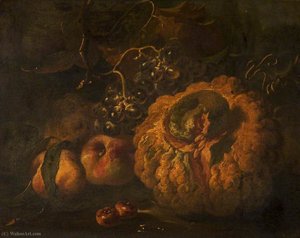
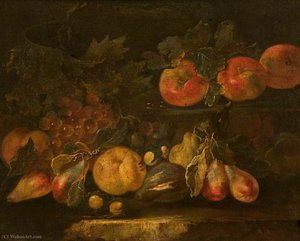
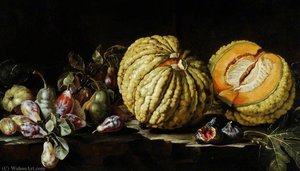
In the vibrant, sun-drenched atmosphere of late 17th-century Rome, a period defined by the dramatic flourishes of the Baroque, there emerged an artist whose mastery lay not in grand historical narratives or sweeping religious epics, but in the quiet, exquisite intimacy of the natural world. Giovanni Paolo Spadino (1659–1730) carved out a distinguished niche within the Roman art scene by turning his gaze toward the ephemeral beauty of the earth's bounty. While the era was often dominated by the theatrical shadows of Caravaggio or the psychological intensity of Rembrandt, Spadino offered a different kind of wonder—one found in the delicate curve of a ripening peach, the translucent skin of a grape, and the intricate textures of botanical life.
Born in Rome around 1659, Spadino was a child of the papal city, an environment saturated with artistic excellence and classical grandeur. Though much of his early personal history remains shrouded in the mists of time, his artistic lineage is clearly traced through his training under the celebrated Roman painter Giuseppe Cesati. This mentorship was pivotal; from Cesati, Spadino inherited a foundational command of Baroque principles, including the use of light to define form and an unwavering commitment to realism. However, where his predecessors might have used these tools to create tension or drama, Spadino repurposed them to celebrate clarity, luminosity, and the tactile reality of his subjects.
A Mastery of Light and Botanical Precision
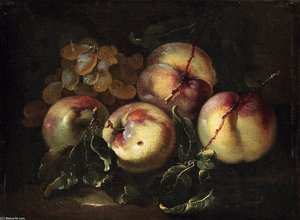
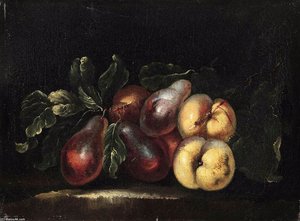
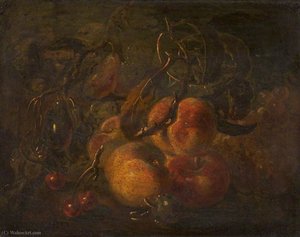
Spadino’s technique was characterized by a profound dedication to observation that bordered on the scientific. He did not merely paint fruit; he studied the very essence of botanical specimens. His canvases became windows into a world of palpable freshness, where the viewer can almost sense the dew upon a petal or the sweet scent of a bruised melon. Unlike the heavy, tenebristic darkness often associated with the Baroque period, Spadino favored a more restrained and luminous palette. He utilized light not to hide details in shadow, but to illuminate them, allowing the subtle variations in hue—the soft blush of a pear, the deep emerald of a leaf, or the golden warmth of an apple—to sing across the canvas.
This meticulous approach allowed him to achieve a level of texture that was truly remarkable for his time. His compositions often featured:
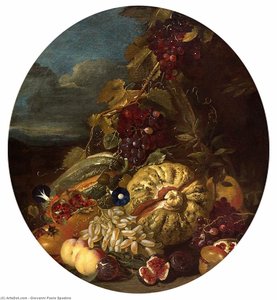
- Opulent Fruit Arrangements: Lavish displays of melons, peaches, pears, and grapes that showcased his ability to render varying degrees of ripeness and skin texture.
- Delicate Floral Accents: The integration of blossoms and foliage that provided a soft, organic contrast to the heavier forms of the fruit.
- Luminous Chiaroscuro: A refined use of light and shadow that gave his still lifes a three-dimensional presence, making the objects appear to emerge from the darkness into the viewer's space.
Legacy and Historical Significance
Though Spadino may not have achieved the global, household fame of the titans of the Baroque, his significance within the Roman school of painting is undeniable. He represented a sophisticated evolution of the still-life genre, moving away from purely symbolic or memento mori themes toward a more celebratory and aesthetic appreciation of nature. His work earned him a respected place among his contemporaries and ensured his presence in prestigious collections, such as those found in the Pinacoteca Civica Fortunato Duranti.
Today, Spadino’s oeuvre serves as a testament to the enduring power of the still life. He captured a moment of perfection—the fleeting peak of ripeness before decay sets in—and rendered it immortal through paint. His ability to find the extraordinary within the ordinary continues to resonate, reminding us that true artistic mastery can be found in the quietest corners of our existence, in the simple, breathtaking beauty of a bowl of fruit resting in the light.
giovanni paolo spadino
1659 - 1730 , Italy
Quick Facts
- Artistic Movement Or Style: Baroque
- Date Of Birth: Rome, Italy (1659)
- Date Of Death: 1730
- Full Name: Giovanni Paolo Spadino
- Nationality: Italian
- Notable Artworks:
- A Melon & Other Fruit
- Still-life With Fruit
- Still Life with Gourds, Figs and Plums
- Place Of Birth: Rome