 Preview
 Send
Send Share
Share
 Details

 Download
 Similars
 X-Ray
X-Ray Diaporama
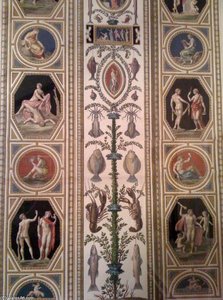
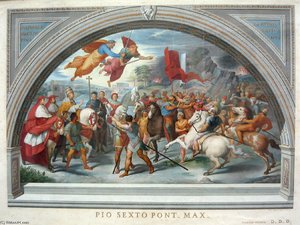
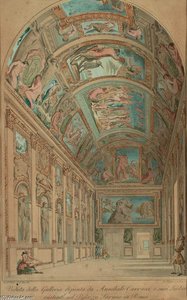
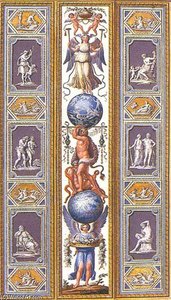
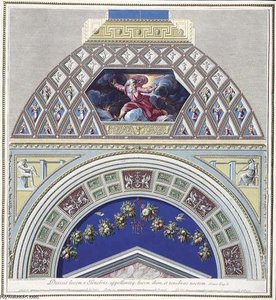
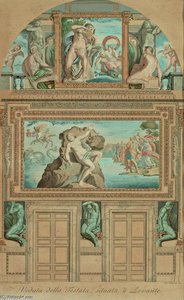
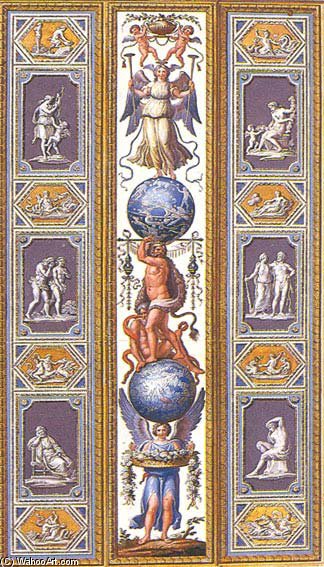
Detalhe Da Loggia
 Read More
Hand Made Oil Reproduction
Hand-painted oil on canvas in your size and frame, made to order by our artists. ( Buy Print Buy Image)




































Pick from our preset sizes that match the artwork's original proportions.

You may enter your own dimensions to fit a specific frame or space. If your selected size does not match the original image's proportions, we will either crop the artwork or extend the painting with additional hand-painted elements. A digital mockup will be sent for your approval before production begins.
Please note that the on-screen preview does not reflect the actual cropping or extension. Only the mockup will accurately show the final composition.
While custom sizes are available, we recommend selecting a dimension from the predefined list to preserve the original proportions.
After order, ArtsDot.com team will email client for instructions and provide a mockup preview
Worldwide Delivery () in 3/4 weeks instead of standard 5 weeks. (21 August). No compromise on quality.

Free Worldwide Express Shipping

High-Quality Linen Canvas

Full Shipping Insurance

Customs Tax Refund Guarantee

True Color Matching Guarantee

60-Day Return Policy (Defects Only)

100% Money-Back Guarantee

Bulk Discount Offer
 Glass option is only available in size under 110 CM

Detalhe Da Loggia
Reproduction Medium
Reproduction Size
-


Total Price
$ 263
Related Artworks







Artist Biography
Joseph Ducreux: The Baron of Playful Portraits
Born in Nancy, France, in 1735, Joseph Ducreux’s artistic journey was one marked by both royal patronage and a delightfully unconventional approach to portraiture. Initially trained under Maurice Quentin de La Tour, a master of pastel, Ducreux quickly established himself as a skilled artist, laying the groundwork for his later innovations. His early work demonstrated an understanding of detail and expression – skills he would later playfully subvert. He moved to Paris in 1760, seeking further refinement, and was profoundly influenced by Jean-Baptiste Greuze, whose dramatic use of light and shadow provided a crucial foundation for Ducreux’s own artistic development.
Royal Recognition and the Dawn of a New Style
Ducreux's career truly took flight when he was appointed as the official portraitist to Queen Marie Antoinette in 1769. This prestigious commission demanded a certain formality, yet Ducreux subtly began to introduce his own distinctive style. He created a stunning portrait of the queen intended for King Louis XVI before their marriage – a piece that showcased both technical mastery and a nascent sense of personality. Despite not being a member of the Royal Academy of Painting and Sculpture, an institution traditionally dominated by established artists, Ducreux was elevated to the rank of Baron and bestowed with the title *premier peintre de la reine*, a testament to his undeniable talent and the queen’s personal favor.
The Revolutionary Self-Portraits
It is perhaps within his self-portraits that Ducreux truly distinguished himself. Following the French Revolution, he traveled to London, where he undertook the remarkable task of painting the last portrait ever made of Louis XVI before the king’s execution – a poignant and deeply personal undertaking. Returning to Paris in 1793, he continued his career under the patronage of Jacques-Louis David, a rising star of the revolutionary art scene. However, it was during this period that Ducreux's most celebrated works emerged: a series of self-portraits that deliberately challenged the conventions of portraiture. These weren’t stiff, dignified representations; instead, they captured him in moments of unguarded emotion – yawning, mocking, and even appearing slightly bewildered.
- Yawning (1783): This iconic image depicts Ducreux mid-yawn, a surprisingly candid moment that reveals his vulnerability and humanity. The painting’s relaxed pose and expressive mouth captivated audiences and signaled a departure from the formal portraits of the era.
- The Mocker (1783): In this portrait, Ducreux playfully points at the viewer with a mischievous grin, suggesting an intimate connection between artist and audience. The painting’s humor and direct engagement were revolutionary for its time.
These self-portraits weren't merely whimsical; they reflected Ducreux’s fascination with physiognomy, the study of facial features as a means of understanding character. He meticulously observed human expressions, striving to capture not just likeness but also inner emotion – a pursuit that informed his unconventional approach.
Legacy and Enduring Appeal
Joseph Ducreux’s legacy extends far beyond the confines of 18th-century art history. His willingness to experiment with expression, humor, and personal engagement paved the way for future artists to explore more diverse and emotionally resonant approaches to portraiture. His work gained renewed popularity in the 21st century thanks to the internet, where his self-portraits were widely shared and celebrated for their relatable charm and unexpected humor. Ducreux’s art serves as a reminder that true artistry lies not just in technical skill but also in the courage to challenge conventions and embrace the full spectrum of human experience.
Ducreux's influence can be seen in the works of later artists who sought to infuse their portraits with personality and emotion. His legacy continues to inspire artists today, demonstrating that a portrait doesn’t have to be merely a likeness; it can also be a window into the soul.
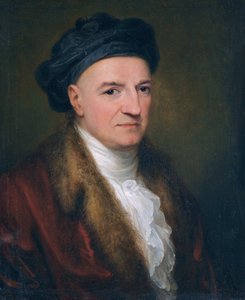
giovanni volpato
1735 - 1803 , Italy
Quick Facts
- Artistic Movement Or Style: Portraiture, Pastel
- Artists Or Movements Influenced By This Artist: ['Jean-Baptiste Greuze']
- Artists Who Influenced This Artist: ['Maurice Quentin de La Tour']
- Date Of Birth: June 26, 1735
- Date Of Death: July 24, 1802
- Full Name: Joseph, Baron Ducreux
- Nationality: Lorrainian, French
- Notable Artworks:
- Self-Portrait, Yawning
- Self-Portrait as a Mocker
- Place Of Birth: Nancy, France