 Preview
 Send
Send Share
Share
 Details

 Download
 Similars
 X-Ray
X-Ray Diaporama
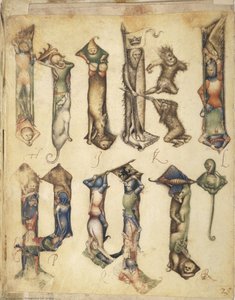
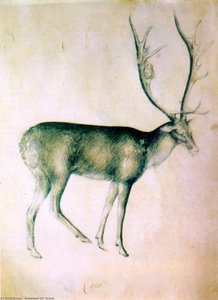
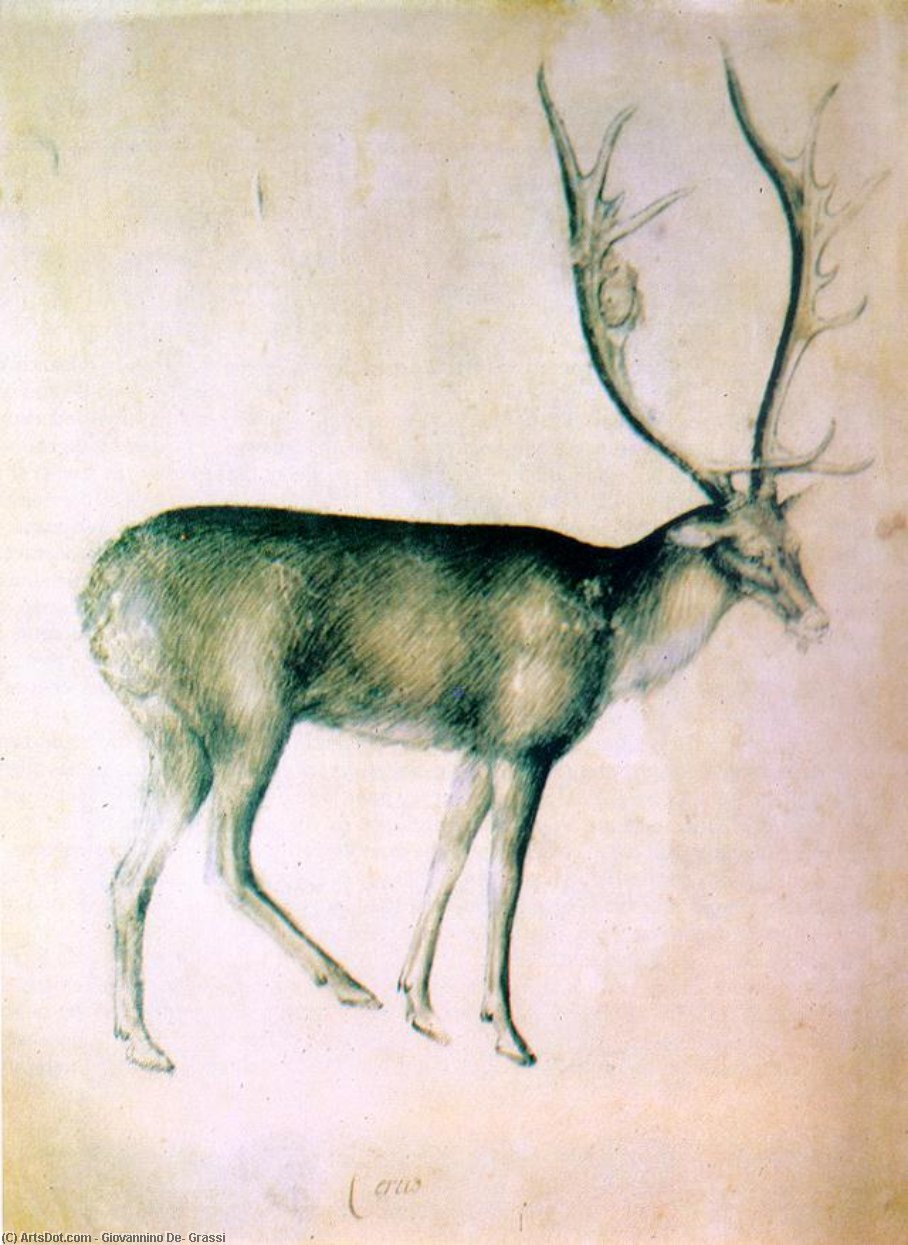
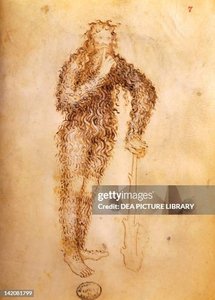
Stag (from a sketch-book)
 1380
1380 26.0 x 17.0 cm
 Biblioteca Civica
 Read More
Hand Made Oil Reproduction
Hand-painted oil on canvas in your size and frame, made to order by our artists. ( Buy Print Buy Image)




































Pick from our preset sizes that match the artwork's original proportions.

You may enter your own dimensions to fit a specific frame or space. If your selected size does not match the original image's proportions, we will either crop the artwork or extend the painting with additional hand-painted elements. A digital mockup will be sent for your approval before production begins.
Please note that the on-screen preview does not reflect the actual cropping or extension. Only the mockup will accurately show the final composition.
While custom sizes are available, we recommend selecting a dimension from the predefined list to preserve the original proportions.
After order, ArtsDot.com team will email client for instructions and provide a mockup preview
Worldwide Delivery () in 3/4 weeks instead of standard 5 weeks. (22 August). No compromise on quality.

Free Worldwide Express Shipping

High-Quality Linen Canvas

Full Shipping Insurance

Customs Tax Refund Guarantee

True Color Matching Guarantee

60-Day Return Policy (Defects Only)

100% Money-Back Guarantee

Bulk Discount Offer
 Glass option is only available in size under 110 CM

Stag (from a sketch-book)
Reproduction Medium
Reproduction Size
-


Total Price
$ 263
Related Artworks

Artist Biography
A Master of the Lombard Gothic
Giovannino de’ Grassi remains one of the most captivating enigmas of the late medieval period, a figure whose brushstrokes breathed life into the prestigious Visconti court of Milan. Born around 1350, his life was lived within the vibrant, ambitious atmosphere of the Lombardy region during a time of profound artistic transformation. While the historical record offers only fragmented glimpses of his personal journey, the sheer brilliance of his surviving illuminations speaks volumes of a master at the height of his powers. He operated in an era where the transition from the rigid structures of the Middle Ages to the burgeoning naturalism of the early Renaissance was beginning to stir, and de’ Grassim stood at the very heart of this aesthetic evolution.
The artistic soul of de’ Grassi was undoubtedly shaped by the rich traditions of the Visconti school. Scholars often point to the influence of Maestro Benedetto Tempesta, a contemporary known for his vivid depictions of the natural world, as a primary catalyst for Giovannino’s development. Under such tutelage, de’ Grassi learned to marry the decorative elegance of the Gothic style with an almost scientific devotion to detail. His work is characterized by a unique ability to weave intricate geometric patterns and heraldic symbols into compositions that feel remarkably alive, capturing the essence of flora, fauna, and the fantastical creatures that populated the medieval imagination.
The Splendor of the Visconti Hours
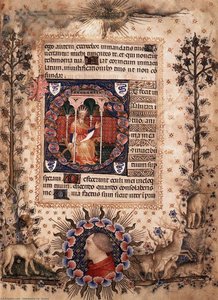
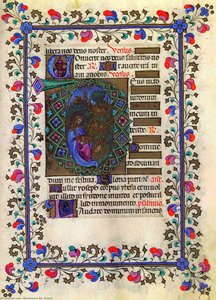
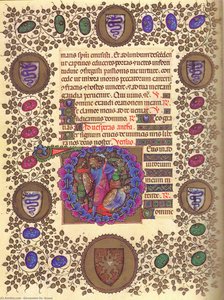
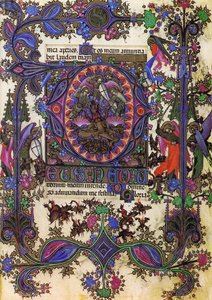
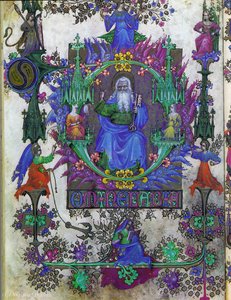
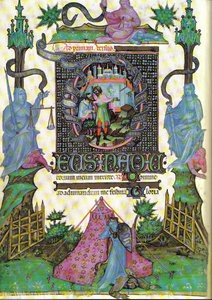
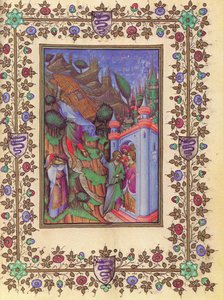
The pinnacle of de’ Grassi’s career is inextricably linked to the creation of the Visconti Hours, a monumental liturgical manuscript commissioned by the powerful Gian Galeazzo Visconti. This work serves as a definitive testament to his technical virtuosity and remains one of the most opulent achievements in the history of manuscript illumination. Within these pages, de’ Grassi achieved a level of detail that was unprecedented for his time. His ability to render delicate floral borders and complex heraldic emblems created a visual language of power and piety, where every stroke of gold leaf and pigment served to glorify both the divine and the ducal lineage.
Beyond the grand scale of liturgical books, de’ Grassi’s talent extended into more intimate and experimental realms. His work on model books and notebooks reveals a different facet of his genius—one focused on the study of form and symbol. In these smaller-scale works, we encounter:
- Gothic Letters: Intricate illuminations where letters are transformed into miniature landscapes populated by fantastical creatures and symbolic designs, showcasing his mastery of calligraphic art.
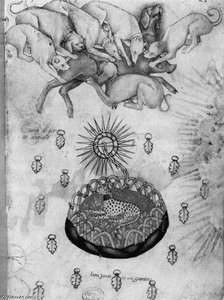
- Animal Studies: Remarkable monochrome illustrations that demonstrate a profound understanding of anatomy and movement, capturing the raw energy of hunting scenes and symbolic beasts with startling clarity.
Legacy and Historical Significance
The historical significance of Giovannino de’ Grassi lies in his role as a bridge between eras. He took the established decorative language of the Gothic period and infused it with a burgeoning sense of naturalism that would eventually pave the way for the Renaissance. His meticulous observations of the natural world—the curve of a leaf, the texture of fur, or the tension in a predator's muscle—foreshadowed the humanistic focus on empirical reality that would soon dominate European art. Though his life ended around 1398, leaving behind a legacy shrouded in the mists of the 14th century, his influence endured through the very manuscripts that continue to enchant collectors and historians today. He remains a luminous figure of the Lombardy masters, an artist who captured the fleeting beauty of the medieval world with eternal precision.
giovannino de' grassi
1350 - 1398 , Italy
Quick Facts
- Artistic Movement Or Style: Gothic Illuminations
- Date Of Birth: ca. 1350
- Date Of Death: 1398
- Full Name: Giovannino de' Grassi
- Nationality: Italian
- Notable Artworks:
- Psalm 118:81
- Animal studies from a notebook
- Gothic letters from a model book
- Place Of Birth: Milan, Italy