 Preview
 Send
Send Share
Share
 Details

 Download
 Similars
 X-Ray
X-Ray Diaporama
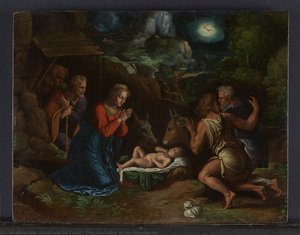
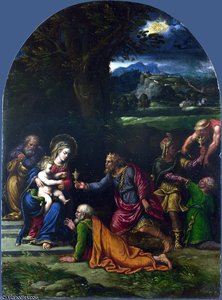
The Adoration of the Shepherds
 Oil On Panel
- WallArt
- Baroque
 1535
1535- Renaissance
 31.0 x 41.0 cm
 Metropolitan Museum of Art
 Read More
Hand Made Oil Reproduction
Hand-painted oil on canvas in your size and frame, made to order by our artists. ( Buy Print Buy Image)




P118B $10

P118H $10

P118W $10

P438Z $10

P508JH $12

P508YH $12

P805H $10

P805Z $10

P919BZ $10

P919G $10

P919XJ $10

P959ZH $10

P968JZ $12

W106C $8

W218G $10

W218JH $8

W218Y $10

W307PJ $10

W316G $10

W316PJ $8

W316Y $10

W398PJ $8

W4111J $10

W500HY $15

W500JH $15

W692G $12

W849H $8

W940BG $15

W953PJ $8




Pick from our preset sizes that match the artwork's original proportions.

You may enter your own dimensions to fit a specific frame or space. If your selected size does not match the original image's proportions, we will either crop the artwork or extend the painting with additional hand-painted elements. A digital mockup will be sent for your approval before production begins.
Please note that the on-screen preview does not reflect the actual cropping or extension. Only the mockup will accurately show the final composition.
While custom sizes are available, we recommend selecting a dimension from the predefined list to preserve the original proportions.
After order, ArtsDot.com team will email client for instructions and provide a mockup preview
Worldwide Delivery () in 3/4 weeks instead of standard 5 weeks. (25 August). No compromise on quality.

Free Worldwide Express Shipping

High-Quality Linen Canvas

Full Shipping Insurance

Customs Tax Refund Guarantee

True Color Matching Guarantee

60-Day Return Policy (Defects Only)

100% Money-Back Guarantee

Bulk Discount Offer
 Glass option is only available in size under 110 CM

The Adoration of the Shepherds
Reproduction Medium
Reproduction Size
-


Total Price
$ 338
Artwork Description
A Nocturnal Revelation of Faith
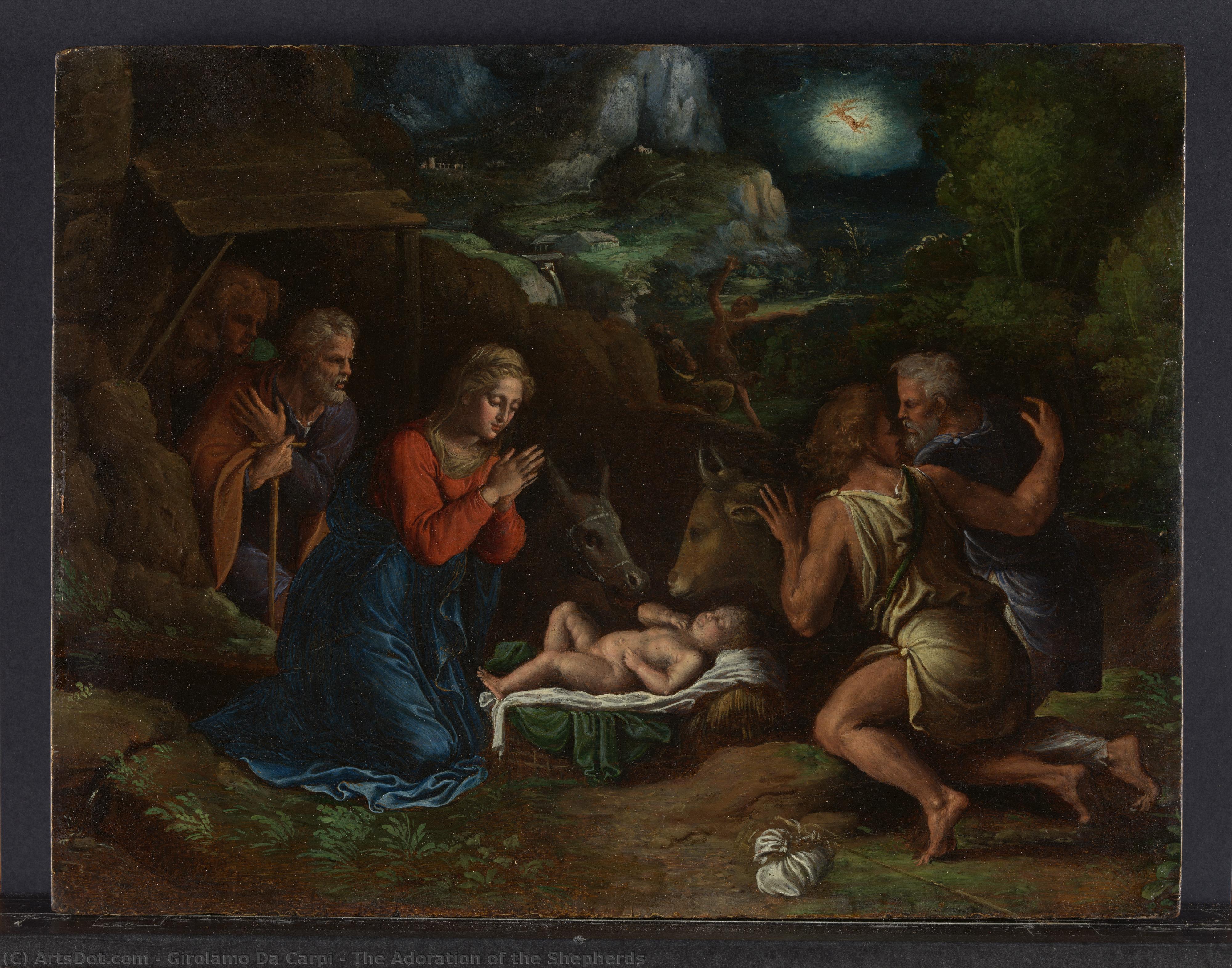
In the quiet, shadowed depths of a rustic cave, Girolamo da Carpi invites us into a moment of profound celestial intimacy. "The Adoration of the Shepherds" is far more than a mere depiction of a biblical event; it is a masterclass in atmospheric storytelling that captures the very essence of a Renaissance reverie. As the eye wanders through this nocturnal tableau, it is immediately drawn to the radiant glow emanating from the infant Jesus, whose presence seems to pierce the surrounding darkness with divine light. This celestial luminescence illuminates the weathered faces of the kneeling shepherds and the tender features of the Virgin Mary, creating a sense of palpable reverence. The composition, rich with deep blues, earthy reds, and shimmering golds, wraps the viewer in a blanket of awe, making the scene feel less like a distant historical event and more like a living, breathing miracle occurring just before our eyes.The Alchemy of Light and Shadow
To behold this work is to witness the sophisticated interplay of Renaissance precision and Baroque drama. Da Carpi, deeply influenced by the classical ideals of Raphael and the burgeoning Mannerist style of Giulio Romano, employs a masterful use of chiaroscuro to sculpt form from the gloom. The dramatic contrast between light and shadow does more than just provide depth; it directs the emotional journey of the observer, pulling the gaze toward the sacred center. Through the strategic use of strong diagonal lines, the artist guides our eyes through the narrative, ensuring that the focus remains fixed on the miraculous encounter. Furthermore, the impasto technique—the thick, textured application of oil paint—adds a tactile dimension to the clothing and the rugged cave walls, lending a physical weight to the spiritual subject matter. For the discerning collector or interior designer, this interplay of texture and light offers a dynamic visual energy that can anchor a room with both sophistication and warmth.Symbolism and the Spirit of Ferrara
Rooted in the humanist fervor of the Este court in Ferrara, this painting serves as a bridge between the structured beauty of the High Renaissance and the emotional intensity of the era to follow. Every element within the frame is imbued with symbolic significance:- The star above represents divine guidance through the darkness of the world.
- The presence of humble animals evokes themes of innocence, peace, and earthly humility.
- The shepherds serve as the first witnesses, representing the accessibility of the divine to all of humanity.
Related Artworks

Artist Biography
Girolamo da Carpi: Bridging Renaissance and Mannerism in Ferrara
Girolamo da Carpi (c. 1501 – 1556) stands as a pivotal figure within the burgeoning artistic landscape of Renaissance Italy, specifically celebrated for his contributions to the Este court in Ferrara. Born Ferrera, he embarked on an artistic journey marked by apprenticeship under Benvenuto Tisi (il Garofalo), establishing a foundational connection with the stylistic currents shaping Bolognese painting during that era. By his early twenties, Da Carpi had relocated to Bologna, where he solidified his reputation as a proponent of the local Renaissance school, absorbing influences from luminaries like Lorenzo Costa and Raphael – artists whose mastery profoundly impacted his artistic sensibilities.- Early Training & Influences: His formative years witnessed immersion in the studio of a Bolognese painter deeply rooted in Florentine Mannerism, mirroring the stylistic innovations championed by Giulio Romano. This exposure cultivated an aesthetic that deftly blended traditional Renaissance ideals with the expressive distortions and psychological depth characteristic of Mannerist art.
- Roman Pilgrimage & Artistic Exploration: A significant turning point arrived during his travels to Rome and Bologna in the mid-1520s, where Da Carpi encountered the vibrant energy of Mannerist experimentation. This journey served as a catalyst for artistic growth, propelling him toward stylistic explorations that transcended simple categorization.
- Ferrara & Court Patronage: Returning to Ferrara, he secured prestigious commissions from the Este family, collaborating closely with Dosso Dossi and Garofalo on monumental projects reflecting the grandeur of the ducal court. His involvement in these ambitious undertakings cemented his position as a leading artist within Ferrara’s artistic milieu.
Notable Works & Artistic Style
Da Carpi's oeuvre encompasses a diverse range of subjects, demonstrating versatility and stylistic adaptability. Among his most celebrated paintings are “The Descent of the Holy Spirit” in St Francis Church at Rovigo—a masterful depiction of religious iconography imbued with luminous color palettes and dynamic composition—and “St Catherine at Bologna,” showcasing meticulous detail and refined artistic technique. Furthermore, “St George & St Jerome” exemplifies Da Carpi’s commitment to portraying saints with dignity and solemnity. His stylistic hallmark resides in a harmonious blend of Renaissance clarity and Mannerist dynamism, characterized by subtle distortions of form and heightened emotional expression—a testament to his ability to synthesize disparate influences into a cohesive artistic vision.- "The Adoration of the Shepherds" – This Baroque masterpiece showcases Raphael-inspired style & religious symbolism.
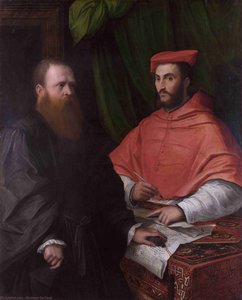
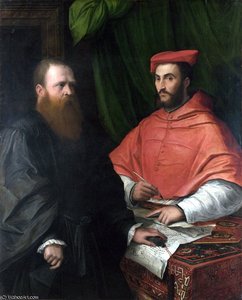
- "Medici and Monsignor Mario Bracci" - A Renaissance portrait highlighting Medici power & religious status.
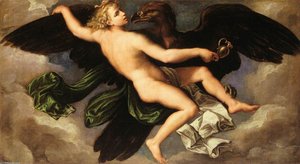
- "The Rape of Ganymede" - Demonstrates Da Carpi’s stylistic adaptability.
Legacy & Artistic Pupils
Girolamo da Carpi's influence extended beyond his own artistic output, shaping the careers of several talented pupils who carried forward his stylistic innovations. Bartolomeo Faccini and Ippolito Costa emerged as prominent artists under Da Carpi’s tutelage, perpetuating his distinctive aesthetic within Bologna’s artistic community. His enduring legacy resides in his contribution to the evolution of Renaissance painting—specifically bridging the gap between Florentine Mannerism and Bolognese tradition—leaving an indelible mark on the artistic heritage of Italy.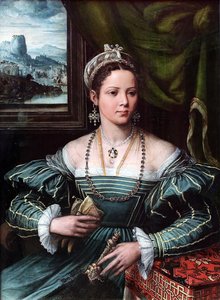
Girolamo da Carpi
1501 - 1556 , Italy
Quick Facts
- Artistic Movement Or Style: Mannerist Painting
- Artists Or Movements Influenced By This Artist: ['Giulio Romano']
- Artists Who Influenced This Artist:
- Benvenuto Garofalo
- Lorenzo Costa
- Raphael
- Date Of Birth: Ferrera, Italy (1501)
- Date Of Death: 1556
- Full Name: Girolamo da Carpi
- Nationality: Italian
- Notable Artworks:
- The Adoration of the Shepherds
- Medici and Monsignor Mario Bracci
- Place Of Birth: Ferrara
Related Articles
Leonardo da Vinci's Masterpieces: Explore 25 Iconic Artworks for Your Home | ArtsDot
Journey through Leonardo da Vinci's genius with our curated selection of 25 iconic artworks. Explore the stories behind Mona Lisa, The Last Supper & more Renaissance masterpieces. Find museum-quality art reproductions for your home at ArtsDot.com.

Leonardo da Vinci: A Renaissance Master’s Synthesis of Art, Science & Human Observation – Reinterpreted for the Collector
Explore Leonardo da Vinci’s timeless masterpieces with ArtsDot. Discover insights into his art, science, and legacy – trusted expertise for discerning collectors seeking authentic reproductions & investment opportunities.

Baroque Drama: Bringing Opulence & Emotion into Contemporary Interiors
Explore the opulent world of Baroque interior design! Discover key elements, modern applications & how to bring dramatic elegance into your home with 's authentic reproductions.

The Dramatic Flourish: Exploring the Baroque Movement's Enduring Legacy in Art History
Explore the dramatic world of Baroque art! Discover iconic artists like Caravaggio & Rubens, defining techniques, and its lasting impact on art history. Expert insights for collectors & enthusiasts at ArtsDot.

Baroque Masterpieces: 10 Paintings That Defined an Era |
Journey through the drama & grandeur of Baroque art! Explore 10 masterpieces by Caravaggio, Rembrandt, Rubens & more. Discover stunning oil paintings, rich colors & timeless stories. Find museum-quality reproductions at .