

 Preview
 Send
Send Share
Share
 Details

 Download
 Similars
 X-Ray
X-Ray Diaporama
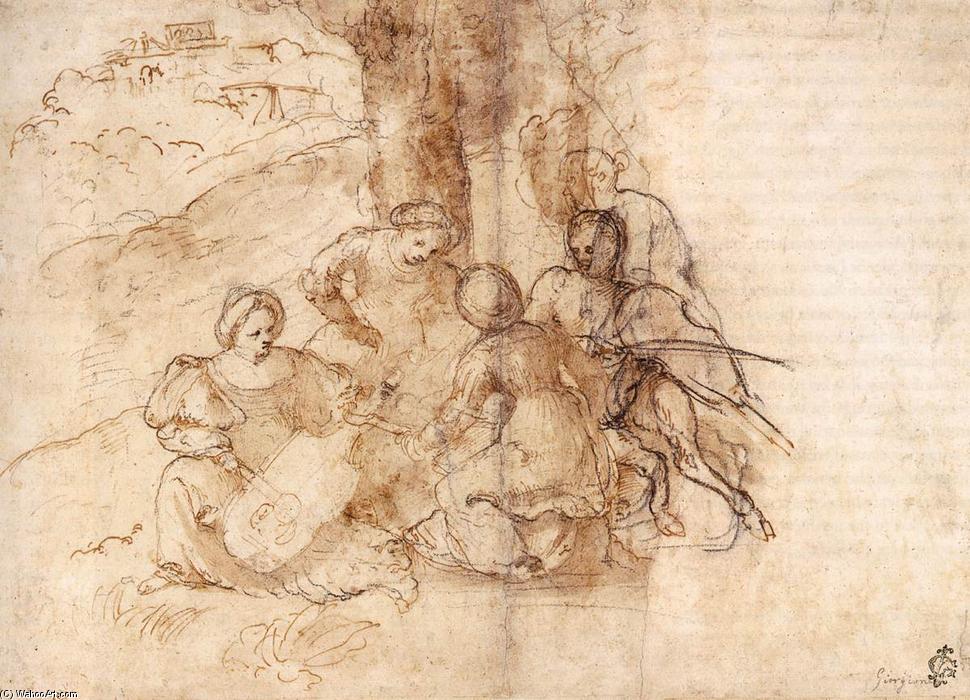
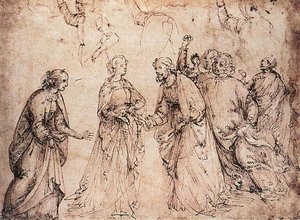
Concert Champêtre
 Ink On Paper
- WallArt
- Venetian Renaissance
 Renaissance
 291.0 x 409.0 cm
 Metropolitan Museum of Art
 Read More
Purchase a high-resolution, enhanced digital image, far superior to the online preview.
Each file is meticulously prepared by our in-house specialists using advanced tools and expert manual retouching. We ensure every image has exceptional clarity, precise color accuracy, and fine detail.
The final file is delivered via email within 72 hours, optimized for immediate use in professional, editorial, and print environments. This is the same quality trusted by top-tier design studios, publishers, and galleries.
Digital Image
Download a high-resolution file for personal display, printing, and creative projects. ( Buy Print Buy Hand Made Painting)
Included in Every Digital Image Order
Expert Digital Delivery, Guaranteed
When you choose ArtsDot.com, you're not just getting an image - you're receiving a professionally enhanced digital artwork, crafted with precision and backed by a satisfaction guarantee. Here's everything that comes with your order, automatically:

Fast Email Delivery
Your high-resolution digital image file will be emailed to you within 72 hours of ordering - ready for immediate use.

AI-Enhanced Digital File
Your artwork is professionally optimized using advanced AI tools and manual editing, ensuring maximum detail, clarity, and color accuracy.

Free Lifetime Re-Delivery
Accidentally deleted or lost your file? No worries - we'll resend it to you anytime, free of charge.

No Import Fees - Ever
Enjoy your artwork instantly with zero customs, duties, or delivery fees - digital downloads are always tax-free.

Color Accuracy Guarantee
We ensure your digital image reflects the original colors as closely as possible using professional tools and color management.

60-Day Satisfaction Guarantee
If you're not satisfied with your digital image, we'll revise it or refund 100% within 60 days - no questions asked.

100% Money-Back Guarantee
Not satisfied? Get a full refund within 60 days of receiving your digital file - no questions asked.

Bulk Order Discounts
Buy 3 images, save 10% - Buy 5, save 15% - Buy 10+, save 20%. Great for creative projects, galleries, and agencies.
Collectible Description
Girolamo Romanino’s Pastoral Reverie: An Exploration of Venetian Renaissance
Giovanni da Udine, born in Udine in 1487 and passing away in Rome in 1561 or 1564, stands as a pivotal figure in the artistic landscape of the High Renaissance. More than simply a painter, he was a master craftsman who profoundly influenced the revival of classical techniques, particularly in the realm of stucco decoration and architectural ornamentation. His legacy is inextricably linked to the burgeoning interest in antiquity that swept across Europe during this period, fueled by archaeological discoveries and a renewed desire to emulate the grandeur of ancient Rome. Udine’s early life remains somewhat shrouded in mystery, though he was undoubtedly trained within the artistic circles of his native city. He began his career as an assistant to Andrea Sabbatini, a prominent Neapolitan painter, gaining invaluable experience in the techniques of fresco and tempera. This formative period laid the groundwork for his later success in capturing the ethereal beauty of Venetian landscapes and portraits. Romanino’s “Concert Champêtre,” completed around 1509, exemplifies this Venetian aesthetic—a harmonious blend of classical ideals with artistic innovation. The painting depicts a tranquil scene of aristocratic leisure: a group of ladies accompanied by a satyr engaging in musical performance amidst a lush garden setting. This idyllic tableau draws heavily from the works of Giorgione and Titian, artists who championed atmospheric perspective and subtle tonal gradations to convey mood and emotion. Romanino skillfully employs pen and ink on paper, achieving remarkable detail and luminosity through meticulous hatching and shading—a technique characteristic of Venetian disegno, prioritizing line drawing over coloristic illusion. The composition itself is carefully orchestrated, mirroring the principles of Renaissance humanist thought. The figures are positioned with grace and balance, reflecting a fascination with idealized human forms inspired by Greek sculpture. Notice the expressive faces of the women, conveying serenity and contemplation—a deliberate contrast to the playful exuberance of the satyr, who embodies rustic charm and spontaneity. Romanino’s masterful rendering captures not only the visual splendor of the landscape but also its psychological resonance. The dappled sunlight filtering through the foliage creates a sense of warmth and intimacy, inviting the viewer into this timeless moment of pastoral harmony. The painting's placement within the broader artistic context is significant. It represents a decisive break from the more rigid conventions of Florentine Mannerism, prioritizing naturalistic observation over stylized representation. Romanino’s embrace of Venetian artistic traditions—particularly the emphasis on disegno—established him as a champion of humanist ideals and solidified his reputation as one of the foremost artists of his era. The artwork's enduring appeal lies in its ability to evoke feelings of tranquility, beauty, and contemplation—qualities that continue to resonate with audiences today.- Artist: Girolamo Romanino
- Born Year: 1487
- Death Year: 1566
- Birth City: Brescia
- Birth Country: Italy
Technical Details & Artistic Innovation
Romanino’s technique—pen and ink on paper—was revolutionary for its time. Unlike the fresco tradition prevalent in Florence, disegno favored line drawing as a primary means of conveying form and texture. The artist achieved astonishing realism through painstaking hatching and shading, meticulously building up tonal values to create depth and luminescence. This approach aligns perfectly with Venetian artistic sensibilities, prioritizing clarity of vision and emotional impact over elaborate color schemes. The resulting image possesses an understated elegance that speaks volumes about Romanino’s mastery of his craft.Symbolism & Contextual Significance
The “Concert Champêtre” transcends mere depiction; it embodies the humanist ideals of its time—a celebration of beauty, harmony, and contemplation rooted in classical antiquity. The garden setting symbolizes paradise regained, reflecting a desire to recapture the grandeur and serenity of ancient Greece and Rome. The musical performance represents intellectual refinement and artistic expression, mirroring Renaissance humanism’s belief in the transformative power of knowledge and culture. Romanino's work stands as a testament to the enduring influence of classical thought on European art and culture.A Legacy Enduring Through Reproduction
Today, “Concert Champêtre” resides within The Metropolitan Museum of Art in New York City—a symbol of artistic excellence recognized globally. High-quality reproductions offer an opportunity to experience Romanino’s masterpiece firsthand, capturing its subtle nuances and conveying its profound emotional impact. Consider commissioning a faithful rendition for your home or interior design project – a beautiful reminder of the Renaissance spirit and enduring power of Venetian art.Related Artworks

Artist Biography
Giovanni da Udine: A Pioneer of Stucco and Neoclassical Grace
Giovanni da Udine, born in Udine in 1487 and passing away in Rome in 1561 or 1564, stands as a pivotal figure in the artistic landscape of the High Renaissance. More than simply a painter, he was a master craftsman who profoundly influenced the revival of classical techniques, particularly in the realm of stucco decoration and architectural ornamentation. His legacy is inextricably linked to the burgeoning interest in antiquity that swept across Europe during this period, fueled by archaeological discoveries and a renewed desire to emulate the grandeur of ancient Rome.
Udine’s early life remains somewhat shrouded in mystery, though he was undoubtedly trained within the artistic circles of his native city. He began his career as an assistant to Andrea Sabbatini, a prominent Neapolitan painter, gaining invaluable experience in the techniques of fresco and tempera. This formative period laid the groundwork for his later success, particularly when he entered the service of Raphael in Rome around 1508. It was during this time that Udine’s distinctive style began to emerge – a delicate balance between naturalism and stylized elegance, informed by a deep understanding of classical proportions and a masterful command of light and shadow.
The Vatican Loggie: A Showcase of Innovation
Udine's most enduring contribution lies in his work on the Vatican Loggie, a series of vaulted spaces decorated with intricate stucco panels between 1517 and 1519. These magnificent decorations represent a watershed moment in European art history. He spearheaded the revival of antique techniques – specifically, the creation of *grotesques* – complex, fantastical designs inspired by Roman ruins and mosaics. These weren’t merely decorative flourishes; they were meticulously researched imitations, demonstrating a remarkable dedication to accuracy and a profound appreciation for the past.
The Loggie panels are characterized by their lightness, grace, and an almost ethereal quality. Udine employed a subtle palette of colors – primarily creams, ochres, and pale blues – to create a sense of depth and atmosphere. His figures, though stylized, possess a remarkable degree of naturalism, conveying emotion and movement with exquisite detail. The influence of this work spread rapidly throughout Europe, shaping the aesthetic sensibilities of Neoclassical designers and influencing generations of artists.
A Return to Udine and Continued Influence
Following his time in Rome, Udine returned to his hometown of Udine in 1522, where he spent the majority of his career. However, he continued to travel extensively, undertaking commissions in Florence and Venice, further solidifying his reputation as a versatile and highly sought-after artist. Despite these travels, Udine remained deeply rooted in his native region, contributing significantly to the artistic development of Friuli.
Udine’s work demonstrates a remarkable adaptability, seamlessly blending classical influences with regional traditions. He was not simply replicating ancient forms; he was interpreting them through his own unique vision, imbuing them with a distinctly Italian sensibility. His legacy extends beyond individual works to encompass the broader revival of classical aesthetics and the establishment of stucco decoration as a vital element of Renaissance architecture.
Historical Significance and Lasting Legacy
Giovanni da Udine’s impact on European art is undeniable. He played a crucial role in shaping the visual language of the Neoclassical period, providing a foundation for subsequent generations of artists and architects. His meticulous attention to detail, his mastery of technique, and his profound understanding of classical antiquity ensured that he would be remembered as one of the most important figures in Renaissance art. His work on the Vatican Loggie remains a testament to his genius – a breathtaking display of skill, innovation, and a deep reverence for the glories of the past. His influence can still be seen today in countless buildings and decorative arts across Europe, a lasting reminder of the artist who brought the spirit of antiquity back to life.
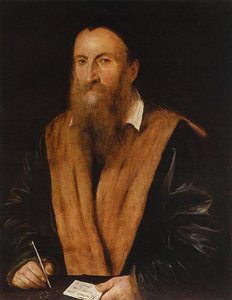
girolamo romanino
1487 - 1566 , Italy
Quick Facts
- Artistic Movement Or Style: Neoclassicism, Stucco
- Artists Or Movements Influenced By This Artist: ['European Neoclassical designers']
- Artists Who Influenced This Artist: ['Raphael']
- Date Of Birth: Oct 27, 1487
- Date Of Death: 1561/64
- Full Name: Giovanni da Udine
- Nationality: Italian
- Notable Artworks: ['Vatican Loggie']
- Place Of Birth: Udine, Italy

